

Hey there! As a windshield weatherstrip supplier, I often get asked about the materials used to make these crucial components. Windshield weatherstrips play a vital role in keeping your vehicle comfortable, quiet, and protected from the elements. So, let's dive into the different materials that go into making them.
Rubber
Rubber is hands down the most common material for windshield weatherstrips. It's got a bunch of great properties that make it perfect for this job. First off, rubber is super flexible. This means it can easily conform to the shape of the windshield and the vehicle's frame, creating a tight seal. Whether your car has a curved or straight windshield, rubber weatherstrips can adapt without a problem.
Another big advantage of rubber is its durability. It can withstand a lot of wear and tear, including exposure to sunlight, rain, snow, and extreme temperatures. Over time, it won't crack or break easily, which is essential for long - term performance. There are different types of rubber used in windshield weatherstrips, such as EPDM (Ethylene Propylene Diene Monomer). EPDM rubber is known for its excellent weather resistance. It can resist ozone, UV rays, and oxidation, making it a top choice for outdoor applications like windshield seals. You can learn more about rubber seals at Rubber Container Door Seals.
Thermoplastic Elastomers (TPE)
TPEs are another material option for windshield weatherstrips. They combine the best of both plastics and elastomers. TPEs are relatively new to the scene but are gaining popularity fast. One of the main benefits of TPEs is their cost - effectiveness. They are generally cheaper to produce than some types of rubber, which can be a big plus for manufacturers looking to keep costs down.
TPEs also offer good flexibility and sealing performance. They can be easily molded into different shapes, which is great for creating custom - fit weatherstrips. Additionally, TPEs are recyclable, which is a huge advantage in today's environmentally conscious world. These materials are also resistant to chemicals and have good low - temperature flexibility, ensuring that the weatherstrips work well even in cold climates.
Polyurethane
Polyurethane is a versatile material that can be used for windshield weatherstrips. It has high strength and abrasion resistance, which means it can handle a lot of physical stress. Polyurethane weatherstrips are often used in high - end vehicles or applications where extra durability is required.
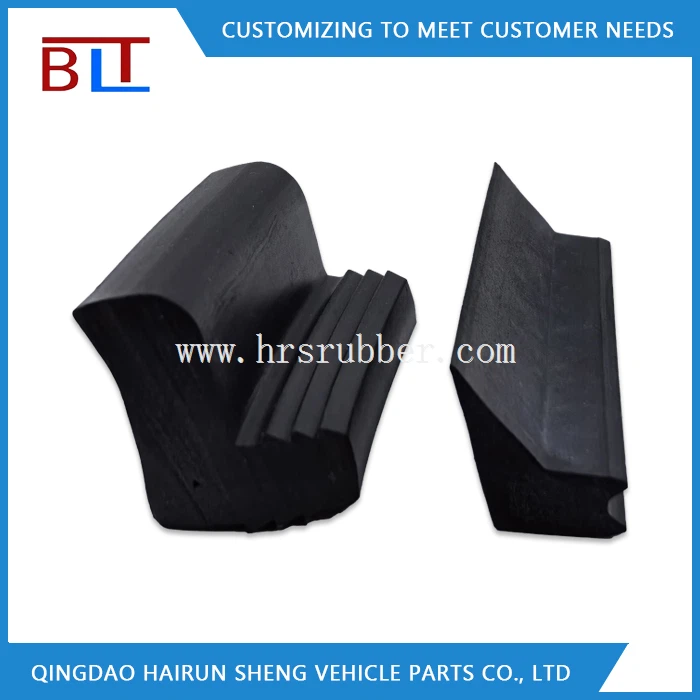

This material also has good adhesion properties. It can bond well to the windshield and the vehicle frame, creating a strong and long - lasting seal. Polyurethane can be formulated to have different levels of hardness, allowing manufacturers to customize the weatherstrip's performance according to specific requirements. However, it's worth noting that polyurethane can be more expensive than rubber or TPEs, so it's not always the first choice for budget - conscious projects.
Silicone
Silicone is a unique material known for its excellent heat resistance. In some cases, especially in vehicles with high - performance engines or in hot climates, silicone windshield weatherstrips can be a great option. Silicone can withstand high temperatures without losing its flexibility or sealing properties.
It's also very resistant to chemicals and has a low friction coefficient. This means that the weatherstrip won't stick to the windshield or the frame, making it easy to open and close the windows. However, silicone is relatively expensive compared to other materials, and its production process can be more complex.
Choosing the Right Material
When it comes to choosing the material for windshield weatherstrips, several factors come into play. The climate in which the vehicle will be used is a major consideration. If you live in an area with extreme cold or heat, you'll want a material that can withstand those conditions. For example, EPDM rubber or silicone might be a good choice for hot climates, while TPEs with good low - temperature flexibility are great for cold regions.
The vehicle's intended use is also important. If it's a high - performance car or a commercial vehicle that will be subjected to a lot of wear and tear, you might opt for a more durable material like polyurethane. On the other hand, if cost is a major concern, TPEs could be the way to go.
As a windshield weatherstrip supplier, I work closely with my customers to understand their specific needs and recommend the best material for their projects. Whether you're a car manufacturer, a repair shop, or an individual looking to replace your windshield weatherstrips, I've got the expertise to help you make the right choice.
Our Product Range
At our company, we offer a wide range of windshield weatherstrips made from different materials. We can provide custom - made weatherstrips to fit any vehicle model. Our products are tested to ensure high - quality performance and durability. We also offer other types of seals, such as Container Door Seal and Flame Retardant Sealing Strip, which are used in various industries.
Contact Us for Procurement
If you're interested in purchasing windshield weatherstrips or have any questions about the materials we use, don't hesitate to reach out. We're here to help you find the perfect solution for your needs. Whether you need a small quantity for a personal vehicle or a large order for a manufacturing project, we can accommodate your requirements.
References
- "Handbook of Elastomers" by Henry Markovitz.
- "Polymer Science and Technology" by Joel R. Fried.
- Industry reports on automotive sealing materials.