


Container Rubber Seals
What is Container Rubber Seals?
Container rubber seals are specialized components designed to provide a secure and airtight seal in various types of containers, ensuring the protection of contents from external elements such as moisture, dust, and contaminants. These seals are commonly made from durable and resilient rubber materials, selected for their ability to withstand diverse environmental conditions and temperature variations. The primary function of container rubber seals is to prevent leaks and maintain the integrity of the container's interior, safeguarding the stored goods or substances.
Advantages of Container Rubber Seals
Weather resistance
Rubber seals are often resistant to adverse weather conditions, providing protection against moisture, sunlight, and temperature fluctuations. This makes them suitable for containers exposed to various outdoor elements.
Durability
Rubber seals are known for their durability and longevity. They can withstand repeated use, compression, and stretching without compromising their sealing properties, contributing to the overall reliability of container closures.
Airtight and watertight sealing
One of the primary functions of rubber seals is to create a tight seal, preventing the entry of air, water, or other contaminants. This airtight and watertight feature is crucial for preserving the quality and integrity of the contents inside the container.
Chemical resistance
Depending on the specific rubber material used, container rubber seals can exhibit resistance to various chemicals and substances. This property is valuable when storing or transporting goods that may interact with the container material.


Why Choose Us?
High quality
Our products are manufactured or executed to very high standards, using the finest materials and manufacturing processes.
Rich experience
Dedicated to strict quality control and attentive customer service, our experienced staff is always available to discuss your requirements and ensure complete customer satisfaction.
Quality control
We have professional personnel to monitor the production process, inspect the products and ensure that the final product meets the required quality level standards, guidelines and specifications.
24h online service
We try and respond to all concerns within 24 hours and our teams are always at your disposal in case of any emergencies.
Types of Container Rubber Seals
Door gaskets
These seals are used in shipping containers, refrigerated containers, and other containers with doors. Door gaskets create an airtight and watertight seal when the container doors are closed, preventing the ingress of moisture and contaminants.
Hatch seals
Commonly found in maritime containers, hatch seals ensure a secure and waterproof closure for access points or hatches on the container. They play a crucial role in maintaining the container's integrity during sea transport.
Flange gaskets
These seals are designed for flanged connections, where two flat surfaces are bolted together. Flange gaskets prevent leaks by creating a seal between the flanges, commonly used in industrial containers and piping systems.
Tank seals
Used in containers designed for liquid storage, tank seals provide a tight seal around openings, such as manholes and access points, to prevent leakage and maintain the integrity of the stored liquids.
Lid seals
Containers with removable lids, such as storage bins or drums, may utilize lid seals to ensure a secure closure. These seals prevent the leakage of contents and protect against external elements.
Flap seals
Found in various types of containers, flap seals are flexible rubber components that cover openings or joints. They create a barrier against dust, dirt, and moisture, maintaining the cleanliness and safety of the container's interior.
Compression seals
Used in containers with movable parts, compression seals provide a tight seal when the components are compressed together. This type of seal is common in containers with sliding or telescopic elements.
Grommets and bushings
These seals are used to protect cables, wires, or pipes passing through openings in containers. Grommets and bushings prevent the entry of dust, water, or other contaminants, ensuring the integrity of the container's interior.
O-rings
Widely used in various industries, o-rings are circular rubber seals with a round cross-section. They are commonly employed in container closures, valves, and fittings to create a reliable and leak-resistant seal.
Vibration dampeners
In containers subject to movement or transport, rubber seals with vibration-dampening properties may be used to reduce the impact of vibrations and shocks, protecting both the container and its contents.
The Manufacturing Process of Container Rubber Seals
Material selection
Choose a rubber material that meets the specific requirements of the application, considering factors such as chemical resistance, temperature tolerance, and durability.
Material preparation
The selected rubber material is prepared for processing. This may involve mixing the rubber with additives, curing agents, and other compounds to achieve the desired properties.
Cutting or trimming
The vulcanized rubber is then cut or trimmed to the desired length and shape. Precision cutting ensures that the rubber seals will fit the container openings or edges accurately.
Extrusion or molding
Extrusion or molding processes are used to shape the rubber into the desired profile or form of the seal. Extrusion involves forcing the rubber through a die to create a continuous profile, while molding uses a mold to shape the rubber into a specific form.
Vulcanization
Vulcanization is a crucial step where the molded or extruded rubber is cured using heat and pressure. This process enhances the rubber's strength, elasticity, and chemical resistance. It involves cross-linking the polymer chains within the rubber, creating a more durable and stable material.
Quality control
Rigorous quality control measures are implemented throughout the manufacturing process. This includes inspections for dimensional accuracy, visual defects, and material consistency. Advanced testing methods, such as pressure testing or leak testing, may also be employed to ensure the seals meet performance standards.
Joining
In some cases, different sections of the rubber seal may need to be joined or bonded. This can be achieved through methods such as adhesive bonding or vulcanization, depending on the specific design requirements.
Surface treatment
Depending on the application, the rubber seal may undergo surface treatments such as coating or application of lubricants to enhance its performance, reduce friction, or improve resistance to environmental factors.
Packaging
The finished rubber seals are packaged for shipping and distribution. Packaging methods may vary based on the type of seal and the specific requirements of the customer or end-user.
How to Choose Container Rubber Seals


Material compatibility
Consider the type of materials your container will be holding and ensure that the rubber seal is compatible with those substances. Different rubber compounds offer varying degrees of resistance to chemicals, oils, and other materials.
Environmental conditions
Evaluate the environmental conditions the container will be exposed to, such as temperature extremes, uv radiation, or exposure to harsh weather. Choose rubber seals that are specifically designed to withstand these conditions to prevent degradation over time.
Sealing performance
Assess the sealing performance requirements of your application. Different seals offer varying levels of airtightness and watertightness. Consider the pressure, temperature, and potential for vibration or movement that the seals will need to withstand.
Size and profile
Ensure that the rubber seal's size and profile match the dimensions and shape of the container openings or joints. A properly sized seal is essential for achieving an effective and secure closure.
Installation ease
Choose seals that are easy to install and integrate into your container design. Consider factors such as flexibility, compressibility, and adaptability to various container shapes.
Durability and longevity
Assess the durability and expected lifespan of the rubber seal. Consider the frequency of use, potential wear and tear, and the overall lifespan requirements of your containers.
Regulatory compliance
Verify that the chosen rubber seals comply with relevant industry standards and regulations. This is especially important in industries with strict guidelines for safety, quality, and environmental considerations.
Customization options
Some applications may require custom-designed rubber seals to meet specific requirements. Check if the offers customization options for size, shape, or material composition.
Compatibility with manufacturing processes
Consider whether the manufacturing processes used for the container rubber seals align with your production methods. Compatibility can impact ease of integration and overall efficiency.
Inspect the seals
Before installation, inspect the rubber seals for any visible damage, wear, or deformities. Ensure that the seals are clean and free from contaminants that could compromise their effectiveness.
Prepare container surfaces
Clean and prepare the surfaces where the rubber seals will be applied. Ensure that the contact areas are free from dirt, grease, or any substances that could interfere with the sealing process.
Apply lubrication
Depending on the type of rubber seal and the application, applying a suitable lubricant may be recommended. This can help with the installation process and enhance the sealing performance.
Ensure proper alignment
Align the rubber seals accurately with the container openings or joints. Proper alignment is crucial for achieving an effective seal and preventing any gaps that could compromise containment.
Compression and closure
For seals designed to compress upon closure, ensure that the container is closed or sealed according to the guidelines. This may involve tightening bolts, closing doors, or securing lids to achieve the necessary compression for the seal to function properly.
Check for uniform compression
Verify that the rubber seals are evenly compressed along their entire length. Inconsistent compression may result in leaks or reduced sealing effectiveness. Adjust the closure mechanism if necessary.
Monitor for wear and tear
Regularly inspect the rubber seals for signs of wear, damage, or degradation. Depending on the application, environmental conditions, and frequency of use, seals may need periodic replacement to maintain optimal performance.
Address maintenance issues promptly
If any issues with the rubber seals are identified during inspections, address them promptly. This may involve cleaning, lubricating, or replacing damaged seals to prevent further problems.
Consider environmental factors
Be aware of the environmental conditions that may impact the rubber seals over time. Extreme temperatures, exposure to sunlight, and exposure to harsh chemicals can affect the longevity and performance of the seals.
Application of Container Rubber Seals
Shipping containers
Rubber seals are widely used in the doors and hatches of shipping containers to create a watertight and airtight seal. This helps protect goods from moisture and contaminants during maritime transport.
Refrigerated containers
Containers used for transporting temperature-sensitive goods, such as perishable foods or pharmaceuticals, often incorporate rubber seals to maintain a controlled and sealed environment, preventing temperature fluctuations and ensuring freshness.
Industrial storage containers
Rubber seals are employed in various industrial storage containers, including bins, barrels, and drums. These seals help secure the contents, prevent spillage, and protect against external elements.
Chemical storage containers
Containers used for storing chemicals or hazardous materials utilize rubber seals to create a barrier against leaks and spills. The seals also contribute to preventing the escape of fumes and maintaining the integrity of the stored substances.
Tank containers
Containers designed for liquid storage, such as tanks and tankers, often incorporate rubber seals to ensure a tight closure at access points, manholes, and other openings. This helps prevent leakage and contamination of the stored liquids.
Automotive containers
Rubber seals are used in various automotive containers, including fuel tanks, fluid reservoirs, and storage compartments. These seals contribute to preventing leaks and maintaining the performance of automotive systems.
Aerospace containers
Containers used in the aerospace industry, such as fuel tanks or cargo compartments, may employ rubber seals to achieve a secure and airtight closure, ensuring safety and preventing fuel leakage.
Medical and pharmaceutical containers
Containers in the medical and pharmaceutical industries, such as vials, jars, and storage containers, use rubber seals to maintain sterility, prevent contamination, and ensure the integrity of the stored medications and medical supplies.
Electronics and electrical enclosures
Electronic and electrical enclosures often use rubber seals to provide protection against dust, moisture, and other environmental factors. This is crucial for safeguarding sensitive electronic components and equipment.
Construction and building materials containers
Containers used for storing construction materials, such as cement or chemicals, utilize rubber seals to prevent leaks and maintain the quality of the materials. Seals may be used in lids, hatches, or access points.
Oil and gas containers
Containers in the oil and gas industry, including storage tanks and pipelines, may incorporate rubber seals to prevent leaks and ensure the containment of fluids, contributing to environmental safety and regulatory compliance.
Waste management containers
Containers used for waste collection and disposal often employ rubber seals to contain odors, prevent leakage, and protect against the entry of pests and contaminants.
Process of Container Rubber Seals

Material selection
Choose a rubber material that meets the specific requirements of the application. Factors such as chemical resistance, temperature tolerance, and durability are considered during material selection.
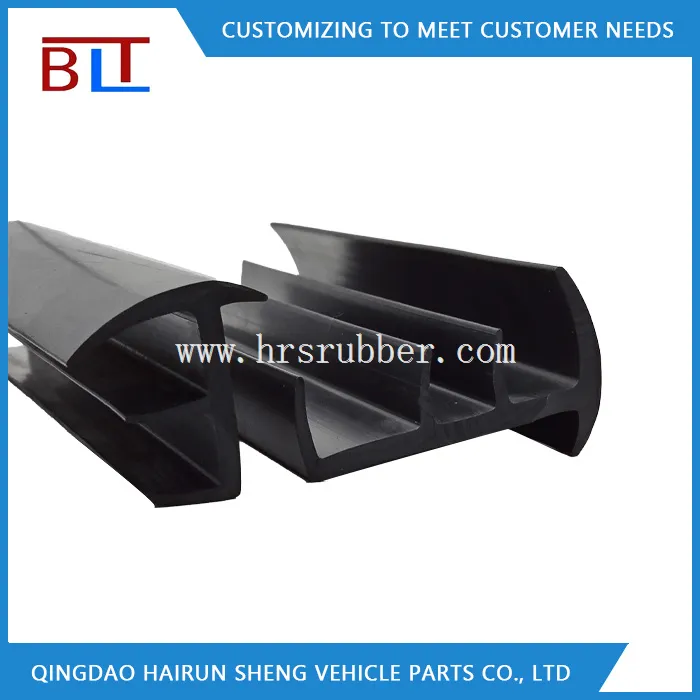
Cutting or trimming
After vulcanization, the rubber is cut or trimmed to the specified dimensions. Precision cutting ensures that the rubber seals will fit the container openings or joints accurately.

Material preparation
The selected rubber material is prepared for processing. This involves mixing the rubber with additives, curing agents, and other compounds to achieve the desired properties, such as flexibility, resilience, and resistance to environmental conditions.

Packaging
The finished rubber seals are packaged for shipping and distribution. Packaging methods may vary based on the type of seal and the specific requirements of the customer or end-user.

Surface treatment
Some applications may require surface treatments, such as coating or the application of special compounds, to enhance the rubber seal's performance. This could include adding a lubricating layer to reduce friction or applying a protective coating for improved durability.

Extrusion or molding
The prepared rubber material is then processed through extrusion or molding machines to give it the desired shape and profile. Extrusion involves forcing the rubber through a die to create a continuous profile, while molding uses a mold to shape the rubber into a specific form.

Vulcanization
Vulcanization is a critical step in the manufacturing process. The molded or extruded rubber is subjected to heat and pressure to initiate the curing process. This process strengthens the rubber, enhances its elasticity, and improves its chemical resistance. Vulcanization involves cross-linking the polymer chains within the rubber.

Quality control
Rigorous quality control measures are implemented throughout the manufacturing process. Inspections are conducted to ensure dimensional accuracy, visual appearance, and material consistency. Advanced testing methods, such as pressure testing or leak testing, may also be employed to verify the seals' performance.
Inspect regularly
Conduct regular inspections of the rubber seals to identify any signs of wear, damage, or degradation. This is crucial for preventing leaks and ensuring the continued effectiveness of the seals.
Clean surfaces before installation
Ensure that the surfaces where the rubber seals will be applied are clean and free from dirt, debris, or substances that could compromise the sealing performance. Proper surface preparation is essential for achieving a secure and effective seal.
Proper alignment
Align the rubber seals accurately with the container openings or joints. Incorrect alignment can lead to uneven compression, gaps, and compromised sealing performance.
Consider environmental factors
Take into account the environmental conditions to which the rubber seals will be exposed. Extreme temperatures, exposure to sunlight, and exposure to chemicals can impact the performance and lifespan of the seals.
Compression levels
Be aware of the recommended compression levels for the rubber seals. Over-compression or insufficient compression may affect the sealing capability.
Use lubrication
Use appropriate lubricants during the installation process. Lubrication can facilitate proper compression and reduce friction, contributing to the longevity of the seals.
Replace damaged seals promptly
If during inspections you identify damaged or worn-out seals, replace them promptly. Delaying replacement can lead to leaks, contamination, and reduced effectiveness of the container's sealing system.
Components of Container Rubber Seals
Base material
The base material of the rubber seal is usually a synthetic rubber or elastomer. Common rubber types include neoprene, epdm (ethylene propylene diene monomer), silicone, nitrile, or other specialized rubber compounds. The choice of material depends on the intended application, considering factors like chemical resistance, temperature tolerance, and durability.
Reinforcement materials
In some cases, rubber seals may include reinforcement materials to enhance strength and durability. This can include fabric or metal inserts within the rubber matrix, providing additional structural support.
Lip or flange
Many rubber seals feature a lip or flange that comes into contact with the mating surface when the seal is compressed. This design helps create a tight seal and prevents the entry of contaminants.
Compression bulb or gasket
Container rubber seals often incorporate a compression bulb or gasket that compresses tightly against the container surfaces when closed. This element plays a crucial role in achieving an airtight and watertight seal.
Backing adhesive
Some rubber seals may have an adhesive backing to facilitate easy installation. This adhesive layer helps secure the seal in place and ensures uniform compression.
Surface coatings
Certain applications may require rubber seals with specific surface coatings or treatments to enhance their performance. Coatings could include anti-friction layers, uv-resistant treatments, or chemical-resistant coatings.
Anti-extrusion rings
In high-pressure or dynamic applications, anti-extrusion rings may be incorporated into the rubber seal design. These rings help prevent the rubber from extruding or being forced out of the sealing area under pressure.
Metal inserts
Some rubber seals may include metal inserts or reinforcements at critical points to improve structural integrity. These inserts can enhance resistance to deformation or tearing, especially in heavy-duty applications.
Mounting clips or fasteners
In certain designs, rubber seals may include mounting clips or fasteners to secure the seal in place during installation. These components help maintain proper alignment and compression.
Integrated profiles or grooves
The rubber seal may have integrated profiles or grooves that match the contours of the container surfaces, ensuring a secure fit and effective sealing.
Specialized features
Depending on the application, rubber seals may include specialized features such as conductive elements for grounding, flame-retardant properties, or antimicrobial additives for specific industry requirements.
How to Maintain Container Rubber Seals
Regular inspections: Conduct routine inspections of the rubber seals to identify any signs of wear, damage, or degradation. Regular visual checks help catch issues early and prevent potential problems.
Clean surfaces: Keep the surfaces where the rubber seals are installed clean and free from dirt, debris, or any substances that could compromise the seals' effectiveness. Regular cleaning prevents contaminants from affecting the sealing performance.
Lubrication: Apply a suitable lubricant to the rubber seals during maintenance. Lubrication can facilitate proper compression, reduce friction, and extend the life of the seals.
Alignment check: Ensure that the rubber seals are aligned properly with the container openings or joints. Misalignment can lead to uneven compression, gaps, and reduced sealing effectiveness.
Compression level adjustment: Check and adjust the compression levels of the rubber seals as necessary. Follow the guidelines for the recommended compression to ensure optimal sealing performance.
Address wear and tear promptly: If any signs of wear, tear, or damage are identified during inspections, address them promptly. Replace damaged seals to prevent leaks and maintain the integrity of the container.
Storage conditions for spare seals: If you have spare rubber seals, store them in appropriate conditions. Exposure to direct sunlight, extreme temperatures, or chemicals during storage can affect the seals' properties.
Consider environmental factors: Be aware of the environmental conditions impacting the rubber seals. Extreme temperatures, exposure to sunlight, or exposure to chemicals can affect the performance and lifespan of the seals. Adjust maintenance practices accordingly.
Schedule regular maintenance: Establish a regular maintenance schedule for container rubber seals. This proactive approach helps prevent issues and ensures that the seals are consistently in good condition.
Container rubber seals are typically crafted from a variety of resilient materials chosen for their specific properties and suitability for diverse applications. Common materials include synthetic rubbers like neoprene, epdm (ethylene propylene diene monomer), silicone, and nitrile. Each material offers distinct advantages, such as chemical resistance, temperature tolerance, and durability. These rubber compounds undergo precise manufacturing processes, including vulcanization, to enhance their strength, flexibility, and sealing capabilities. The selection of the material is carefully tailored to meet the unique requirements of the containers, ensuring effective protection against environmental elements and maintaining the integrity of the stored contents.
The working principle of container rubber seals lies in their ability to create a secure and airtight barrier between adjoining surfaces of containers. These seals, typically made from materials like neoprene, epdm, or silicone, feature a unique design with lips, gaskets, or compression bulbs. When the container is closed or sealed, these components compress against the mating surfaces, forming an effective seal that prevents the ingress of moisture, dust, and contaminants. The rubber's inherent elasticity and resilience enable it to adapt to irregularities in the surfaces, ensuring uniform compression and a reliable barrier. This working principle is fundamental to maintaining the integrity of containerized contents by safeguarding them against environmental factors during storage, transportation, or industrial processes.
How to Install Container Rubber Seals
Clean container surfaces
Ensure that the surfaces where the rubber seals will be installed are clean and free from dirt, debris, or any substances that could compromise the sealing performance. Use a suitable cleaning agent if necessary.
Inspect rubber seals
Before installation, inspect the rubber seals for any visible damage or defects. Ensure that they are the correct size and type for the specific container.
Apply lubricant
If the manufacturer recommends it, apply a lubricant to the rubber seals. Lubrication helps ease the installation process, facilitates proper compression, and reduces friction.
Align rubber seals
Align the rubber seals accurately with the container openings or joints. Ensure that the seals are positioned correctly for a proper fit and compression.
Start installation from one end
Begin installing the rubber seals from one end and work your way around the container. This helps ensure even compression and proper alignment.
Use proper tools
Depending on the type of rubber seal and container, use appropriate tools to aid in the installation. This may include rubber mallets, pry bars, or other tools that won't damage the seals.
Ensure uniform compression
Check for uniform compression along the entire length of the rubber seals. Adjust the installation if necessary to achieve consistent compression, preventing gaps or uneven sealing.
Secure with fasteners or clips
If the rubber seals are designed to be secured with fasteners or clips, ensure that these are properly installed to maintain the seal's position and alignment.
Check for proper closure
Close the container or doors and check for proper closure. Ensure that the rubber seals are compressed uniformly and create a secure barrier against external elements.
Conduct final inspection
After installation, conduct a final inspection to verify that the rubber seals are in good condition, free from visible defects, and provide the intended sealing performance.
Our Factory
Our company has a complete production equipment line, including rubber refining machines, open mills, fully automatic vulcanizing machines, vulcanization tanks, three composite microwave vulcanization lines, and quality testing equipment.


FAQ
As one of the leading container rubber seals manufacturers and suppliers in China, we warmly welcome you to wholesale bulk high quality container rubber seals at competitive price from our factory. For customized service, contact us now.
seals for efficient containers, seals for small containers, seals for practical containers