


What is Container Door Seal?
A container door seal, often referred to as a cargo container seal, is a crucial component in the shipping industry. It is a specialized device designed to secure and seal the doors of shipping containers, ensuring the integrity and safety of the cargo inside during transportation. These seals are typically made of durable materials such as metal or high-strength plastic and are tamper-evident, meaning any attempt to breach or tamper with the container will be visually evident. Container door seals play a vital role in maintaining the security of goods in transit, providing a reliable barrier against unauthorized access and protecting the contents from theft, contamination, or damage.
Advantages of Container Door Seal
Security
One of the primary advantages is enhanced security. Container door seals act as a deterrent to unauthorized access, tampering, or theft. They provide visual evidence of any breach attempts, helping to maintain the integrity of the cargo.
Tamper-evident design
Container door seals are designed to be tamper-evident, meaning any attempt to manipulate or open the container without proper authorization will leave visible signs of tampering. This feature ensures the integrity of the cargo is maintained throughout its journey.
Cargo protection
The seals provide an additional layer of protection for the cargo inside the container. They help prevent contamination, damage, or theft, ensuring that the goods arrive at their destination in the same condition as when they were loaded.
Compliance
Container door seals often comply with international security standards and regulations, ensuring that shipments meet required safety and security protocols. This is particularly important for cross-border transportation and trade.




Why Choose Us?
High quality: Our products are manufactured or executed to very high standards, using the finest materials and manufacturing processes.
24h online service: We try and respond to all concerns within 24 hours and our teams are always at your disposal in case of any emergencies.
Rich experience: Dedicated to strict quality control and attentive customer service, our experienced staff is always available to discuss your requirements and ensure complete customer satisfaction.
Quality control: We have professional personnel to monitor the production process, inspect the products and ensure that the final product meets the required quality level standards, guidelines and specifications.
Types of Container Door Seal
Bolt seals
Bolt seals are heavy-duty seals that consist of a metal bolt and a corresponding locking mechanism. They are commonly used in shipping containers and truck trailers. Bolt seals are known for their strength and resistance to tampering.
Cable seals
Cable seals are flexible and versatile. They consist of a cable (usually made of steel) that threads through a locking mechanism. Cable seals are suitable for various applications and are often used when a more adaptable seal is required.
High-security seals
High-security seals are designed to meet stringent security standards. They often feature advanced locking mechanisms, tamper-evident designs, and are built to withstand attempts at unauthorized access. These seals are commonly used for high-value or sensitive cargo.
Plastic seals
Plastic seals are lightweight and cost-effective. They are commonly used in situations where the emphasis is on visual deterrence and basic security. Plastic seals are often used for securing containers in less high-risk environments.
Metal band seals
Metal band seals consist of a metal band that wraps around the container doors and a locking mechanism that secures the band in place. They are durable and suitable for various types of cargo containers.
Barrier seals
Barrier seals are designed to create a physical barrier between the locking mechanism and the container doors, making it more difficult for tampering. These seals are often used for added security in high-risk situations.
Rfid seals
Some container door seals come equipped with radio-frequency identification (rfid) technology. Rfid seals allow for electronic tracking and monitoring of containers, providing real-time information about their location and status.
Padlock seals
Padlock seals combine the features of a traditional padlock with a sealing mechanism. They are easy to use and provide a visible deterrent against tampering.
Electronic seals
Electronic seals, or e-seals, use electronic technology to monitor and secure containers. They may include features such as gps tracking, remote monitoring, and electronic tamper-evident systems.
Material selection
The manufacturing process begins with the selection of appropriate materials. Common materials for container door seals include metals (such as steel or aluminum), high-strength plastics, and other durable materials.
Molding or fabrication
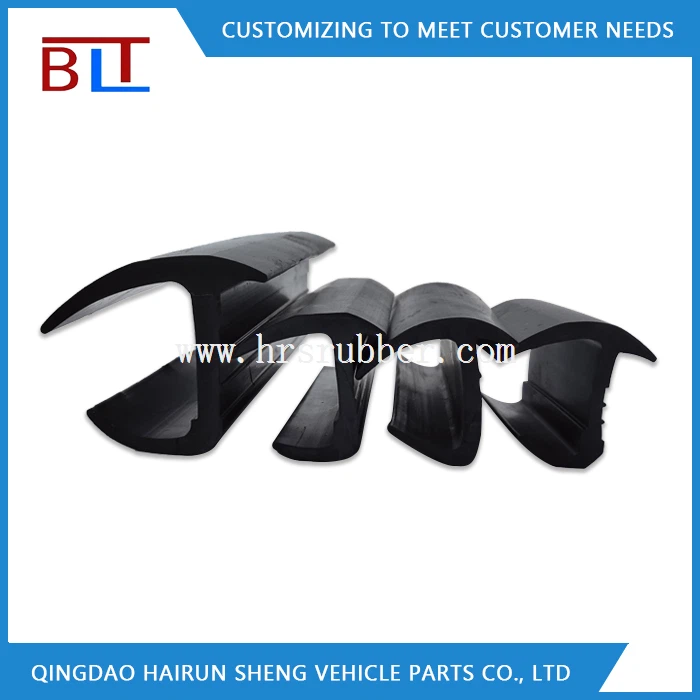
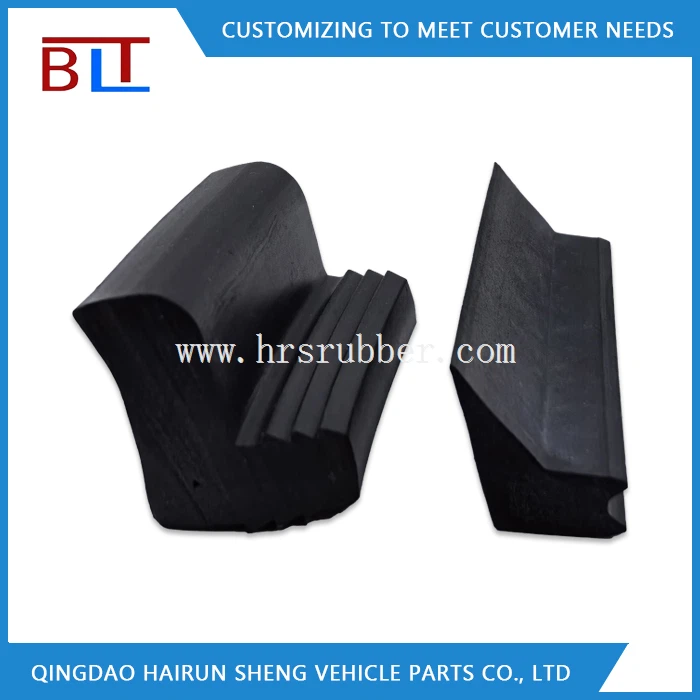
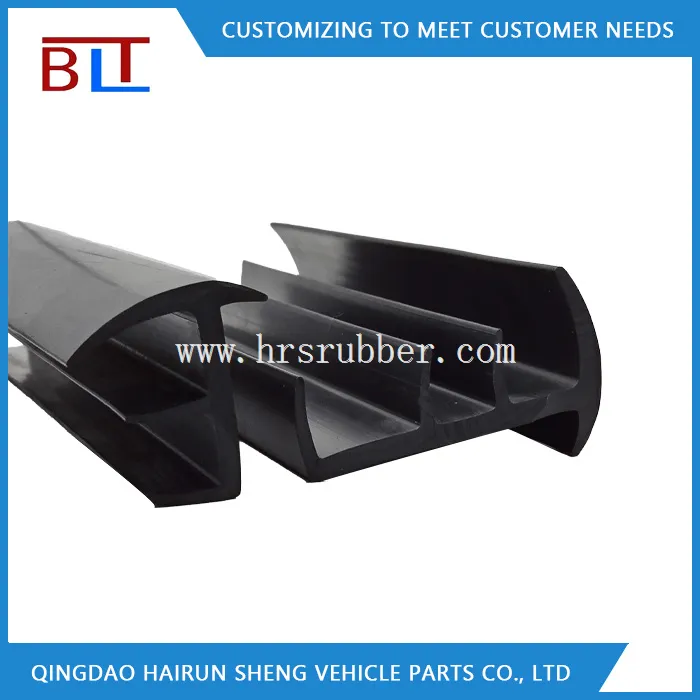
For seals made of plastic or rubber, the manufacturing process often involves molding. Plastic seals are typically created through injection molding, where molten plastic is injected into a mold to form the desired shape. Rubber seals may involve compression molding or extrusion processes.
Metal processing
If the seal involves metal components, such as bolts or bands, metalworking processes are employed. This may include cutting, stamping, or machining to shape the metal parts according to the design specifications.
Assembly
The various components of the container door seal are assembled. This includes combining molded or fabricated parts with metal components, attaching cables, and integrating any electronic components if the seal has advanced features like rfid technology.
Locking mechanism installation
Installation of the locking mechanism is a crucial step. This could involve incorporating a bolt, cable, or other locking systems into the seal's design. The locking mechanism is designed to secure the container doors effectively.
Tamper-evident features
Tamper-evident features are often integrated into the seal design during the manufacturing process. This may include unique markings, serial numbers, or other indicators that show evidence of tampering if the seal is compromised.
Quality control
Rigorous quality control measures are implemented throughout the manufacturing process. This ensures that each container door seal meets specified standards and operates effectively. Inspections may include checking for structural integrity, proper functioning of the locking mechanism, and tamper-evident features.
Type of seal
Consider the type of seal that best suits your needs. Bolt seals, cable seals, plastic seals, and electronic seals each have unique features and strengths. Choose a type that aligns with your cargo, security requirements, and operational preferences.
Tamper-evident features
Look for seals with robust tamper-evident features, such as unique markings, serial numbers, or indicators that clearly show if the seal has been tampered with. This helps in quickly identifying any unauthorized access.
Durability and material
Assess the durability of the seal, especially if your cargo faces harsh environmental conditions during transit. Seals made from high-quality materials like steel or heavy-duty plastics are more likely to withstand wear and tear.
Ease of use
Consider the ease of application and removal. Some seals are designed for single-use, while others may be reusable. Choose a seal that aligns with your operational preferences and efficiency goals.
Compatibility with container type
Ensure that the chosen seal is compatible with the type of container you are using. Different container door designs may require specific types of seals for optimal performance.
How to Use Container Door Seal

Select the appropriate seal
Choose the type of container door seal that best suits your security and operational requirements. Consider factors such as the type of cargo, security level needed, and any regulatory compliance standards.

Inspect the seal
Before applying the seal, inspect it for any damage or defects. Ensure that the seal is in good condition and has all the necessary components, including the locking mechanism and tamper-evident features.
Thread the seal through the door handles
For bolt seals or cable seals, thread the seal through the door handles of the container. Ensure that the seal is positioned in a way that prevents easy access to the locking mechanism.

Prepare the container doors
Make sure the container doors are closed and properly secured. Check that there are no gaps or spaces that could compromise the effectiveness of the seal.

Secure the locking mechanism
Engage the locking mechanism according to the seal's design. This may involve inserting a bolt, securing a cable, or activating any other locking feature.

Dispose of seals properly
If the seals are single-use or need to be disposed of after a certain period, follow proper disposal procedures. Some seals may be recyclable, while others may require specific handling.
Application of Container Door Seal
Cargo security
The primary application of container door seals is to enhance cargo security. By sealing the doors of shipping containers, these seals act as a deterrent to unauthorized access and tampering. They help prevent theft, pilferage, and sabotage of the cargo.
Tamper-evidence
Container door seals are designed to be tamper-evident, providing clear indicators if someone attempts to breach or manipulate the seal. This feature ensures the integrity of the cargo by allowing quick visual detection of any unauthorized access.
Compliance with regulations
Many industries and international trade organizations have regulations and standards that require the use of container door seals. This application ensures that shipments comply with security measures mandated by customs, border control, and other regulatory authorities.
Cross-border transportation
Container door seals are especially vital for shipments crossing international borders. They help meet security requirements imposed by customs and immigration authorities, ensuring that cargo remains secure during transit and facilitating smoother border crossings.
Supply chain management
Container door seals play a key role in supply chain management by providing a secure means of transporting goods from manufacturers to distributors and retailers. The use of seals helps maintain the integrity of the supply chain, reducing the risk of theft or tampering at various stages.
Insurance compliance
Some insurance policies require the use of container door seals to mitigate the risk of cargo theft or damage during transit. Using seals can be a prerequisite for obtaining comprehensive insurance coverage for shipped goods.
High-value cargo protection
For shipments containing high-value or sensitive goods, container door seals provide an additional layer of protection. The tamper-evident features and security measures help safeguard valuable items from theft or unauthorized access.
Logistics and inventory control
Container door seals contribute to effective logistics and inventory control. They help track the movement of containers within the supply chain and provide a record of when and where each seal was applied and removed.
Preventing contamination
In addition to security, container door seals can help prevent contamination of goods during transit. Sealing the container doors reduces the risk of unauthorized individuals accessing the cargo and potentially contaminating it.
Customs inspection facilitation
Sealed containers facilitate customs inspections. Customs officials can quickly verify the integrity of a shipment by checking the container door seal, allowing for more efficient and streamlined border clearance processes.
How to Install Container Door Seal
Inspect the seal: Before installation, inspect the container door seal for any damage or defects. Ensure that all components, including the locking mechanism and tamper-evident features, are in good condition.
Prepare the container: Make sure the container doors are fully closed and securely latched. Ensure that there are no gaps or spaces that could compromise the effectiveness of the seal.
Thread the seal through the door handles: For bolt seals or cable seals, thread the seal through the door handles of the container. Position the seal in a way that prevents easy access to the locking mechanism.
Secure the locking mechanism: Engage the locking mechanism according to the seal's design. This may involve inserting a bolt, securing a cable, or activating any other locking feature. Follow the manufacturer's instructions for proper application.
Tighten the seal: Some seals may require tightening or adjusting to ensure a secure fit. Follow the guidelines provided by the manufacturer to achieve the recommended level of tightness.
Check tamper-evident features: Verify that the tamper-evident features of the seal are functioning correctly. This may include visual indicators or markings that show evidence of tampering. Ensure that these features are clearly visible and intact.
Record seal information: Record relevant information about the seal, such as serial numbers or unique markings, in your shipping documentation. This information will be useful for tracking and monitoring the container during transit.
Document the installation: Maintain a record of when and where each seal is applied. Note the seal's serial number, date of application, and any other relevant details. This documentation can serve as a reference in case of discrepancies or security issues.
Dispose of cut ends: If you are using a seal that involves cutting (e.G., cable seals), use a bolt cutter or cable cutter to trim any excess material. Dispose of the cut ends properly.
How to Replace the Container Door Seal
Inspect the existing seal
Before removal, inspect the existing container door seal for any signs of damage or tampering. Ensure that the seal needs replacement and that the container doors are securely closed.
Document existing seal details
Record relevant information about the existing seal, such as serial numbers or unique markings. This documentation can be useful for tracking and monitoring purposes.
Cut or remove the existing seal
If the existing seal is a single-use seal or needs to be removed, use a bolt cutter or cable cutter to cut the seal. Follow proper safety precautions and dispose of the cut seal according to regulations.
Remove any residual material
After cutting the seal, inspect the container doors for any residual material. Remove any remaining pieces of the old seal to ensure a clean surface for installing the new seal.
Prepare the container
Make sure the container doors are fully closed and securely latched. Ensure that there are no gaps or spaces that could compromise the effectiveness of the new seal.
Thread the new seal through the door handles
For bolt seals or cable seals, thread the new seal through the door handles of the container. Position the seal in a way that prevents easy access to the locking mechanism.
Secure the locking mechanism
Engage the locking mechanism of the new seal according to the seal's design. This may involve inserting a bolt, securing a cable, or activating any other locking feature.
Tighten the seal
Some seals may require tightening or adjusting to ensure a secure fit. Follow the guidelines provided by the manufacturer to achieve the recommended level of tightness.
Check tamper-evident features
Verify that the tamper-evident features of the new seal are functioning correctly. This may include visual indicators or markings that show evidence of tampering. Ensure that these features are clearly visible and intact.
Record new seal information
Record relevant information about the new seal, such as serial numbers or unique markings, in your shipping documentation. This information will be useful for tracking and monitoring the container during transit.
Apply seal on both doors
Depending on the seal design and your security requirements, you may choose to apply seals on both container doors. This provides an additional layer of security.
Dispose of cut ends
If the new seal involves cutting (e.G., cable seals), use a bolt cutter or cable cutter to trim any excess material. Dispose of the cut ends properly.
Process of Container Door Seal




Inspect the container and doors
Before applying the seal, inspect the container and doors for any damage or irregularities. Ensure that the doors are fully closed and securely latched.
Select the appropriate seal
Choose the type of container door seal that best suits your security and operational requirements. Consider factors such as the type of cargo, security level needed, and any regulatory compliance standards.
Inspect the seal
Before installation, inspect the container door seal for any damage or defects. Ensure that all components, including the locking mechanism and tamper-evident features, are in good condition.
Thread the seal through the door handles
For bolt seals or cable seals, thread the seal through the door handles of the container. Position the seal in a way that prevents easy access to the locking mechanism.
Secure the locking mechanism
Engage the locking mechanism according to the seal's design. This may involve inserting a bolt, securing a cable, or activating any other locking feature. Follow the manufacturer's instructions for proper application.
Tighten the seal
Some seals may require tightening or adjusting to ensure a secure fit. Follow the guidelines provided by the manufacturer to achieve the recommended level of tightness.
Check tamper-evident features
Verify that the tamper-evident features of the seal are functioning correctly. This may include visual indicators or markings that show evidence of tampering. Ensure that these features are clearly visible and intact.
Record seal information
Record relevant information about the seal, such as serial numbers or unique markings, in your shipping documentation. This information will be useful for tracking and monitoring the container during transit.
Dispose of cut ends
If the seal involves cutting (e.G., cable seals), use a bolt cutter or cable cutter to trim any excess material. Dispose of the cut ends properly.
Document the installation
Maintain a record of when and where each seal is applied. Note the seal's serial number, date of application, and any other relevant details. This documentation can serve as a reference in case of discrepancies or security issues.
Things to Note When Using Container Door Seal
Choose the right type of seal
Select a container door seal that aligns with your specific security requirements, the type of cargo being transported, and any regulatory standards. Different seals offer varying levels of security, tamper-evident features, and suitability for different applications.
Inspect seals before use
Thoroughly inspect each seal before applying it to the container doors. Check for any signs of damage, defects, or tampering. Using a compromised seal can compromise the security of the cargo.
Ensure proper container closure
Before applying the seal, confirm that the container doors are securely closed and latched. There should be no gaps or spaces that could allow unauthorized access to the cargo.
Properly thread and secure seals
For seals with cables or bolts, ensure they are properly threaded through the container door handles and securely locked. The locking mechanism should be engaged according to the seal's design. This step is crucial for effective sealing.
Record seal information
Document relevant information about each seal, such as serial numbers, unique markings, and the date of application. This information is valuable for tracking and monitoring shipments.
Check tamper-evident features
Verify that the tamper-evident features of the seal are functioning correctly. This may include visual indicators, markings, or unique patterns that show evidence of tampering. Ensure these features are easily visible and intact.
Consider double sealing
Depending on security requirements, consider using two seals on each container door. Double sealing provides an additional layer of security and may be a requirement in high-risk situations.
Dispose of cut ends
If the seal involves cutting (e.G., cable seals), dispose of the cut ends properly. This helps prevent any leftover materials from being used to compromise the seal's integrity.
Regularly monitor seals during transit
Throughout the transportation period, regularly monitor the condition of the seals. Check for any signs of tampering or damage. If any issues are detected, investigate promptly and take appropriate actions.
Dispose of seals properly
If the seals are single-use or need to be disposed of after a certain period, follow proper disposal procedures. Some seals may be recyclable, while others may require specific handling.
Components of Container Door Seal
Locking mechanism
The core component responsible for securing the container doors. The locking mechanism could be a bolt, cable, metal band, or other systems that fasten the doors together.
Body or seal housing
The main body of the seal, which houses the locking mechanism. It often includes features to prevent tampering and protect the internal components.
Tamper-evident features
Visual indicators or markings that show evidence of tampering or attempted breach. These features are crucial for quickly identifying any unauthorized access to the container.
Serial numbers or unique identifiers
Each container door seal is typically assigned a unique identification number or serial number. This information is used for tracking and documentation purposes.
Material composition
The material that makes up the seal, which could be steel, aluminum, plastic, or a combination of materials. The choice of material depends on factors like durability, strength, and environmental resistance.
Adjustment or tightening mechanism
Some seals may include features for adjusting or tightening the seal to ensure a secure fit. This is common in cable seals or seals with adjustable lengths.
Rfid or electronic components
In electronic seals (e-seals), additional components such as rfid (radio-frequency identification) tags or electronic tracking devices may be integrated for real-time monitoring and tracking.
Gaskets or sealing elements
Seals may include gaskets or sealing elements to provide additional protection against environmental factors, such as water or dust. This is especially important for ensuring the integrity of the cargo inside the container.
Label or branding
Some seals may have labels or branding that indicate the manufacturer, compliance with specific standards, or other relevant information.
Color coding
Certain seals may use color-coding for quick identification or to signify specific characteristics, such as security level or compliance with certain regulations.
User instructions
Information or markings that provide users with instructions on how to properly apply, adjust, and remove the seal. This ensures correct usage and helps prevent damage during installation or removal.
How to Maintain Container Door Seal
Regular Inspections
Conduct routine inspections of container door seals to check for any signs of damage, wear, or tampering. Regular inspections help identify issues early and prevent potential security breaches.
Verify tamper-evident features
Check the tamper-evident features of the seals during inspections. Ensure that visual indicators or markings are intact and clearly show evidence of tampering if the seal has been compromised.
Address environmental contaminants
Regularly clean seals to remove any accumulated dirt, debris, or contaminants. Environmental contaminants can compromise the effectiveness of tamper-evident features and potentially damage the seals.
Monitor Environmental Exposure
Assess the conditions in which containers are stored or transported. Seals are exposed to various environmental factors such as extreme temperatures, humidity, and salt air, which can impact their durability. Consider using seals with enhanced environmental resistance when necessary.
Replace damaged seals promptly
If a seal is found to be damaged, broken, or compromised in any way during an inspection, replace it promptly. A damaged seal may not provide the necessary security, and a quick replacement is crucial to maintaining cargo integrity.
Implement quality control measures
Implement quality control measures during the manufacturing process to ensure that seals meet specified standards. Quality control helps prevent the distribution of defective seals that may compromise cargo security.
Our Factory
Our company has a complete production equipment line, including rubber refining machines, open mills, fully automatic vulcanizing machines, vulcanization tanks, three composite microwave vulcanization lines, and quality testing equipment.


FAQ
Hot Tags: container door seal, China container door seal manufacturers, suppliers, factory, pharmaceutical container rubber seals, container advanced rubber seals, container high performance rubber seals, unpressurized container rubber seals, container seal gaskets, custom rubber seals for containers


