

Picking the right rubber container door seal isn't as easy as it sounds. I'm in the biz of supplying Rubber Container Door Seals, and I've seen firsthand how crucial it is to get this choice right. So, let's break down what you need to consider when you're on the hunt for the perfect seal.
Material Matters
First off, the material of the rubber seal is super important. There are different types of rubber out there, each with its own pros and cons.
EPDM Rubber: This is a popular choice. It's known for its excellent weather resistance. Whether it's scorching heat, freezing cold, or heavy rain, EPDM can handle it. It also has good resistance to ozone and UV rays, which means it won't break down easily over time. If your containers are going to be exposed to the elements for long periods, EPDM is a solid option. You can check out some high - quality EPDM seals at Container Door Seal.
Neoprene Rubber: Neoprene is another great material. It's resistant to oil, chemicals, and has good flexibility. This makes it a good choice if your containers are going to be in an environment where they might come into contact with these substances. It also has good sealing properties, which helps keep out dust and moisture.
Silicone Rubber: Silicone is known for its high - temperature resistance. If your containers are going to be in a high - heat environment, like near a furnace or in a hot industrial area, silicone rubber seals are the way to go. They can also withstand extreme cold without becoming brittle. And they have a very low compression set, which means they'll keep their shape and sealing ability for a long time.
Size and Fit
Getting the right size of the rubber container door seal is crucial. A seal that's too big won't fit properly, and it won't create a good seal. On the other hand, a seal that's too small won't cover the gap between the door and the container, and it'll let in air, water, and dust.
Measure the gap between the door and the container carefully. You need to measure the width, height, and depth of the gap. Make sure to measure at multiple points because the gap might not be uniform all around. Some suppliers, like us, can custom - make seals to fit your exact measurements. If you're looking for a seal that's a perfect fit, head over to Flame Retardant Sealing Strip to see our range of options.
Sealing Performance
The whole point of a rubber container door seal is to create a tight seal. You want to make sure that it can keep out air, water, dust, and pests.
Compression: A good seal should be able to compress easily when the door is closed. This compression creates a tight barrier. Look for seals that have a high compression rate. You can test this by closing the door on the seal and checking if there are any gaps or if air can still get through.
Resilience: The seal should also be resilient. That means it should bounce back to its original shape after the door is opened. If it doesn't, it won't be able to create a good seal the next time the door is closed.
Durability
You don't want to keep replacing your rubber container door seals every few months. Durability is key.

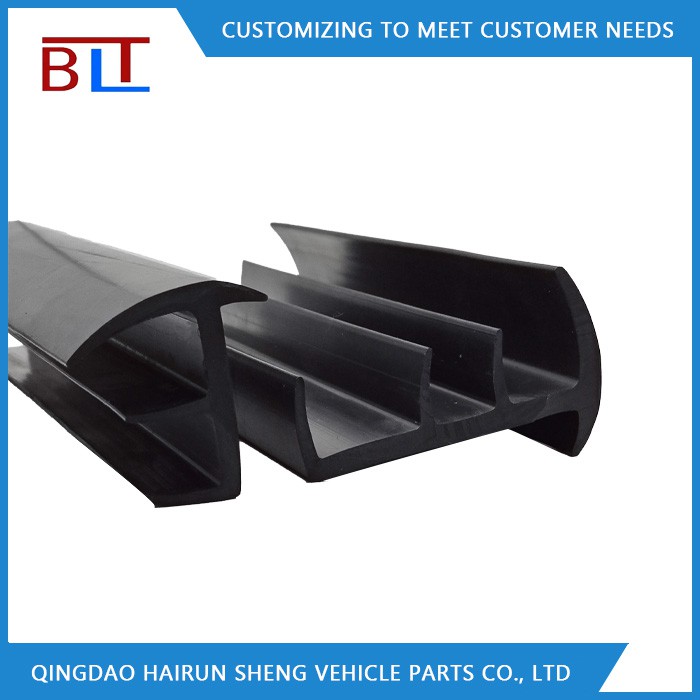
Wear and Tear: Consider how much wear and tear the seal will be exposed to. If the doors are opened and closed frequently, the seal will need to be able to withstand this friction. Look for seals that are made from high - quality materials and have a good resistance to abrasion.
Chemical Resistance: If your containers are in an environment where they might come into contact with chemicals, make sure the seal is resistant to those chemicals. This will prevent the seal from deteriorating over time.
Special Features
Depending on your needs, you might want a seal with some special features.
Flame Retardancy: If your containers are storing flammable materials or are in a fire - prone area, a flame - retardant seal is a must. You can find some great Flame Retardant Sealing Strip options that will help prevent the spread of fire.
Noise Reduction: If you're using the containers in a residential area or a place where noise is a concern, a seal that can reduce noise can be very useful. Some seals are designed with special materials and structures to absorb sound.
UV Protection: If your containers are outdoors, UV rays can cause the rubber to degrade over time. Look for seals that have UV protection to ensure they last longer.
Cost
Cost is always a factor when making a purchase. But remember, the cheapest option isn't always the best. You need to balance the cost with the quality and performance of the seal.
Sometimes, spending a little more upfront on a high - quality seal can save you money in the long run. You won't have to replace the seal as often, and you'll have fewer problems with air, water, and dust getting into your containers.
Installation
Finally, consider how easy the seal is to install. Some seals come with self - adhesive backing, which makes installation a breeze. Others might require some special tools or techniques.
If you're not confident in your DIY skills, you might want to choose a seal that comes with installation instructions or even professional installation services.
So, there you have it. These are the main things to consider when choosing the right rubber container door seal. If you're still not sure which seal is right for you, or if you have any questions, don't hesitate to reach out. We're here to help you make the best choice for your containers. Whether you need a Container Door Seal, a Flame Retardant Sealing Strip, or a Windshield Weatherstrip, we've got you covered.
Let's start a conversation about your rubber container door seal needs. We can work together to find the perfect solution for your business.
References
- "Handbook of Elastomers" - A comprehensive guide on different types of elastomers used in seals.
- Industry research reports on rubber container door seals.