

Yo, what's up, car enthusiasts! I'm an automotive weatherstrips supplier, and today I wanna chat about something super interesting: Can automotive weatherstrips improve fuel efficiency?
Let's start by getting a basic understanding of what automotive weatherstrips are. These are those rubber or plastic strips that you find around your car doors, windows, and windshields. They might seem like small, insignificant parts, but they play a huge role in your vehicle. You've probably seen products like Automotive Door Window Sealing Strip, Subway Seal Strip, and EPDM Sealing Strip for Automotive Windshield. They're designed to keep the elements out, like water, dust, and noise. But can they really help you save on gas?
First off, let's talk about aerodynamics. When your car is moving, it has to push through the air. If there are gaps in your car's weatherstripping, air can get inside the car. This disrupts the smooth flow of air around the vehicle, creating drag. Drag is like an invisible hand holding your car back, making the engine work harder to keep the car moving at the same speed.
Think of it this way. Have you ever tried running with a big parachute behind you? It's super difficult because the parachute creates a lot of drag. The same thing happens to your car when air gets in through the gaps in the weatherstrips. By installing high - quality weatherstrips, you can seal those gaps and make your car more aerodynamic. This means the engine doesn't have to work as hard, and you'll use less fuel.
Another factor is the climate control system in your car. When your car is well - sealed with good weatherstrips, it keeps the hot or cold air inside the cabin. If you have a leaky weatherstrip, the conditioned air can escape, and your AC or heater has to work overtime to maintain the temperature. This puts an extra load on the engine, which in turn burns more fuel.
For example, on a hot summer day, if your car's windows aren't properly sealed, the cool air from the AC will leak out. So, the AC has to keep running at full blast to keep the cabin cool. This extra energy consumption from the AC is directly related to fuel consumption. By using a good Automotive Door Window Sealing Strip, you can reduce this energy waste and save on fuel.
Now, let's look at some real - world examples. There have been studies on this topic. One study found that a car with worn - out weatherstrips can consume up to 10% more fuel compared to a car with properly installed weatherstrips. That's a significant amount! Imagine if you're spending $50 on gas every week. With a 10% reduction in fuel consumption, you could save $5 per week. Over a year, that's $260 in savings!
But it's not just about fuel efficiency. Good weatherstrips also improve the overall comfort of your ride. They reduce noise from the outside, so you can enjoy a quieter drive. You won't have to listen to the constant whooshing of wind or the honking of other cars as much. And they protect your car's interior from dust and water, which can damage the upholstery and electronics over time.
When it comes to choosing the right weatherstrips, you need to consider a few things. The material is very important. EPDM (Ethylene Propylene Diene Monomer) is a popular choice for automotive weatherstrips. It's durable, resistant to heat, cold, and UV rays. The EPDM Sealing Strip for Automotive Windshield is a great example of a high - quality EPDM weatherstrip. It can withstand the harsh conditions outside and still provide a tight seal.

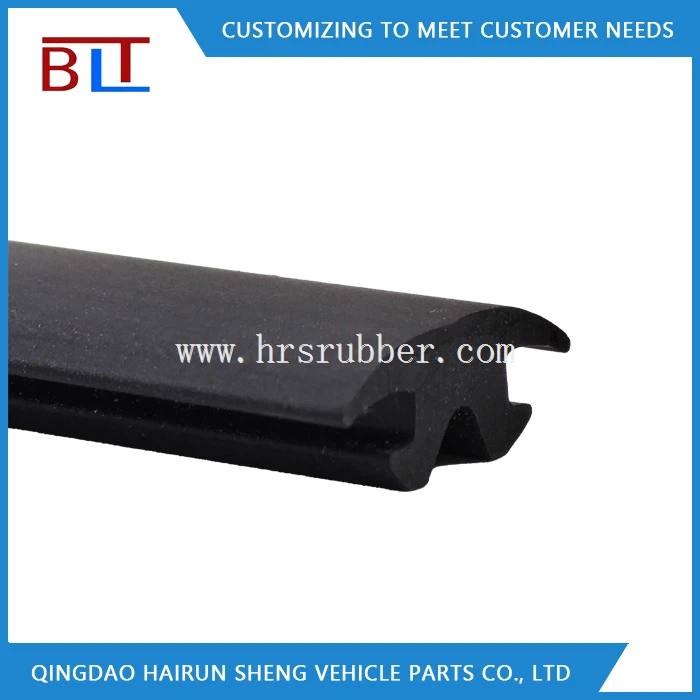
You also need to make sure the weatherstrips fit your car properly. A poorly - fitting weatherstrip won't do a good job of sealing the gaps. That's why it's important to buy from a reliable supplier. As an automotive weatherstrips supplier, I've seen many cases where customers bought cheap, ill - fitting weatherstrips and didn't get the results they wanted.
Installation is another key aspect. While some people might think it's a DIY job, it's actually quite tricky to get it right. If the weatherstrip isn't installed correctly, it won't seal properly. That's why I always recommend getting professional installation or at least following the installation instructions carefully.
Now, I know some of you might be thinking, "Well, it sounds good, but is it really worth the cost?" The cost of high - quality weatherstrips might seem a bit high at first, but when you consider the long - term savings on fuel and the added comfort and protection they provide, it's definitely worth it. Plus, if you're a frequent driver, the fuel savings will quickly offset the initial cost of the weatherstrips.
In conclusion, automotive weatherstrips can definitely improve fuel efficiency. They help with aerodynamics, reduce the load on the climate control system, and make your car more comfortable. As an automotive weatherstrips supplier, I've seen firsthand how much of a difference good weatherstrips can make.
If you're interested in improving your car's fuel efficiency and overall performance, I encourage you to consider upgrading your weatherstrips. Whether you need a Subway Seal Strip or an EPDM Sealing Strip for Automotive Windshield, we've got you covered. Don't hesitate to reach out if you have any questions or if you're ready to make a purchase. Let's work together to make your car more fuel - efficient and comfortable!
References:
- "Automotive Aerodynamics: Fundamentals and Applications" - A research paper on the impact of aerodynamics on vehicle performance.
- "Fuel Efficiency and Vehicle Accessories" - A study on how various car accessories affect fuel consumption.