

As a supplier of seal strips for construction, I've witnessed firsthand the critical role these seemingly small components play in the overall integrity and functionality of buildings. One of the most important aspects to understand about construction seal strips is their resilience. But what exactly is the resilience of a seal strip for construction, and why does it matter?
Defining Resilience in the Context of Seal Strips
Resilience, in the context of construction seal strips, refers to the ability of the seal strip to withstand various stressors and return to its original shape and function after being deformed. These stressors can include mechanical forces, such as compression and stretching, as well as environmental factors like temperature fluctuations, moisture, and exposure to chemicals.
A resilient seal strip is essential for maintaining a proper seal over the long term. In construction, seals are used to prevent the ingress of air, water, dust, and noise, which can all have a significant impact on the comfort, energy efficiency, and durability of a building. If a seal strip loses its resilience, it may no longer be able to form a tight seal, leading to leaks, drafts, and increased energy consumption.
Factors Affecting the Resilience of Seal Strips
Several factors can influence the resilience of a construction seal strip. The material used is perhaps the most critical factor. Different materials have different inherent properties that affect their ability to withstand stress and return to their original shape.
Material Selection
- Rubber: Rubber is a popular choice for seal strips due to its excellent elasticity and resilience. Natural rubber offers high flexibility and good resistance to abrasion, making it suitable for applications where the seal strip will be subjected to repeated compression and stretching. Synthetic rubbers, such as EPDM (ethylene propylene diene monomer), are also widely used. EPDM has excellent weather resistance, including resistance to ozone, UV radiation, and extreme temperatures, making it ideal for outdoor applications.
- Silicone: Silicone seal strips are known for their high temperature resistance and chemical stability. They can maintain their resilience over a wide range of temperatures, from extremely cold to very hot conditions. Silicone is also resistant to many chemicals, making it suitable for use in industrial environments where the seal strip may come into contact with solvents or other corrosive substances.
- Thermoplastic Elastomers (TPEs): TPEs combine the properties of plastics and elastomers, offering a good balance of flexibility, resilience, and processability. They are often used in applications where cost - effectiveness and ease of manufacturing are important considerations. TPEs can be recycled, which is an added environmental benefit.
Design and Manufacturing
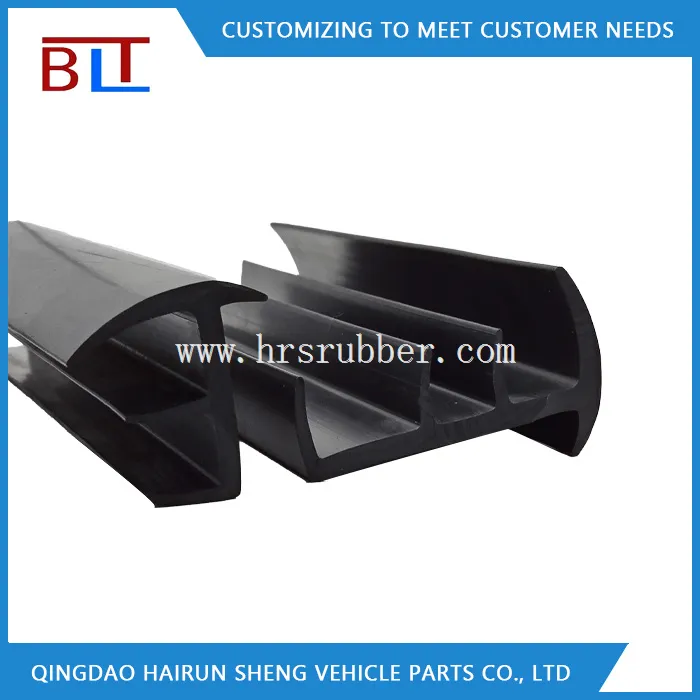
The design of the seal strip also plays a role in its resilience. The cross - sectional shape of the seal strip can affect how it deforms under stress and how well it returns to its original shape. For example, a seal strip with a hollow cross - section may be more flexible and able to absorb more compression than a solid one.
Manufacturing processes can also impact resilience. Extrusion is a common method for producing seal strips, and the quality of the extrusion process can affect the uniformity of the material and the integrity of the seal strip. Proper curing and vulcanization (for rubber materials) are essential for ensuring the long - term resilience of the seal strip.
Importance of Resilience in Construction Applications
Energy Efficiency
In modern construction, energy efficiency is a top priority. A resilient seal strip can help to reduce energy consumption by preventing air leakage. When a building is properly sealed, it can maintain a more consistent indoor temperature, reducing the need for heating and cooling systems to work overtime. This not only saves energy but also reduces utility costs for the building owner.
Water and Moisture Protection
Water infiltration can cause significant damage to a building's structure and interior finishes. A resilient seal strip can effectively prevent water from entering the building, protecting against mold growth, wood rot, and corrosion of metal components. For example, in a bathroom or a basement, a reliable seal strip around doors and windows can keep water out and maintain a dry and healthy indoor environment.
Noise Reduction
In urban areas or near busy roads, noise pollution can be a major issue. A resilient seal strip can help to reduce the transmission of noise into a building. By creating a tight seal around doors and windows, it can block out external noise, creating a more peaceful and comfortable indoor environment.
Applications of Resilient Seal Strips in Construction
Doors and Windows
Seal strips for doors and windows are one of the most common applications in construction. They are used to seal the gaps between the door or window frame and the sash, preventing air, water, and noise from entering the building. For example, Rubber Door Seals are often installed around the perimeter of doors to provide a tight seal when the door is closed. These seals need to be highly resilient to withstand the repeated opening and closing of the door over time.
Building Facades
In curtain wall systems and other building facades, seal strips are used to seal the joints between panels. These seals need to be able to withstand the movement of the building due to wind loads, temperature changes, and seismic activity. Resilient seal strips, such as Extruded Rubber Seal Strip, can maintain their integrity and provide a reliable seal even under these dynamic conditions.
Granaries and Storage Facilities
For granaries and other storage facilities, seal strips are crucial for preventing the entry of pests, dust, and moisture. Granary Seal Strip need to be resilient enough to maintain a tight seal over long periods, protecting the stored goods from damage.
Testing and Quality Assurance
To ensure the resilience of a construction seal strip, manufacturers typically conduct various tests. These tests can include compression set tests, which measure the ability of the seal strip to return to its original thickness after being compressed for a certain period. Tensile strength tests are also performed to determine the maximum amount of stretching the seal strip can withstand before breaking.
Quality assurance is an ongoing process that involves monitoring the manufacturing process, inspecting the finished products, and conducting regular tests on samples. By maintaining high - quality standards, manufacturers can ensure that their seal strips meet the required resilience specifications for construction applications.

Conclusion
The resilience of a seal strip for construction is a crucial factor that determines its performance and longevity. By understanding the factors that affect resilience, such as material selection, design, and manufacturing processes, we can choose the right seal strip for each specific application. Whether it's for energy efficiency, water protection, or noise reduction, a resilient seal strip is an essential component in modern construction.
If you're in the market for high - quality, resilient seal strips for your construction project, I encourage you to reach out to us. We are a trusted supplier of construction seal strips, and we can provide you with the right products to meet your needs. Our team of experts is ready to assist you in selecting the most suitable seal strip for your application and ensuring that you get the best performance and value for your investment.
References
- ASTM International. (2023). Standards for rubber and elastomeric materials.
- CEN (European Committee for Standardization). (2022). Standards for construction sealants and gaskets.
- Engineering Materials Handbook. (2021). ASM International.