

As a supplier of Seal Strip for Automotive, I've been deeply involved in the automotive industry for quite some time. One question that often comes up in discussions, both within the industry and among environmentally - conscious consumers, is about the environmental impact of automotive seal strips. In this blog, I'll explore this topic in detail, covering various aspects such as materials, manufacturing processes, and end - of - life scenarios.
Materials Used in Automotive Seal Strips
Automotive seal strips are commonly made from several types of materials, each with its own environmental implications.
Rubber
Automotive Rubber Seal Strips are perhaps the most traditional choice. Natural rubber is derived from the latex of rubber trees. While rubber trees are a renewable resource, the process of rubber production can have environmental drawbacks. Large - scale rubber plantations often lead to deforestation, which disrupts local ecosystems, reduces biodiversity, and contributes to soil erosion.
On the other hand, synthetic rubber, such as neoprene and EPDM (Ethylene Propylene Diene Monomer), is made from petrochemicals. The extraction and processing of petrochemicals are energy - intensive and contribute to greenhouse gas emissions. Additionally, the production of synthetic rubber involves the use of various chemicals, some of which can be harmful to the environment if not properly managed.
Thermoplastic Elastomers (TPEs)
TPEs are a newer alternative to rubber. They combine the elasticity of rubber with the processability of thermoplastics. One of the advantages of TPEs is their recyclability. Compared to rubber, TPEs can be more easily reprocessed and reused, which reduces waste. However, the raw materials for TPEs still often come from petrochemical sources, so there is still an environmental footprint associated with their extraction.
Manufacturing Processes
The manufacturing of automotive seal strips is a multi - step process that has its own set of environmental impacts.
Extrusion
Extrusion is a common manufacturing method for seal strips. In this process, the raw material (rubber or TPE) is heated and forced through a die to create the desired shape. The heating process requires a significant amount of energy, usually in the form of electricity or natural gas. If the energy is sourced from non - renewable resources, it contributes to carbon emissions.
Vulcanization (for Rubber Seal Strips)
When manufacturing rubber seal strips, vulcanization is an important step. Vulcanization involves heating the rubber with sulfur or other vulcanizing agents to improve its strength and durability. This process not only consumes energy but also releases some volatile organic compounds (VOCs) into the atmosphere. VOCs can contribute to air pollution and have negative impacts on human health.
Environmental Benefits of Automotive Seal Strips
Despite the environmental challenges associated with their production, automotive seal strips also offer several environmental benefits.
Energy Efficiency
Seal strips play a crucial role in improving the energy efficiency of vehicles. By creating a tight seal around doors, windows, and other openings, they prevent air leakage. This means that the vehicle's heating and cooling systems don't have to work as hard to maintain a comfortable interior temperature. As a result, less fuel is consumed, which reduces greenhouse gas emissions.
Noise Reduction
Automotive seal strips can also reduce noise levels inside the vehicle. By minimizing the amount of external noise that enters the cabin, they can potentially allow drivers to use their vehicles more comfortably at lower speeds. This can lead to more efficient driving habits and further fuel savings.
End - of - Life Scenarios
What happens to automotive seal strips at the end of their useful life is another important aspect of their environmental impact.
Landfill Disposal
Unfortunately, a significant number of automotive seal strips end up in landfills. Rubber and some types of TPEs do not break down easily in landfills, taking up valuable space and potentially leaching harmful chemicals into the soil and groundwater over time.
Recycling
As mentioned earlier, some materials like TPEs are more recyclable than rubber. Recycling automotive seal strips can reduce the demand for new raw materials and the associated environmental impacts of extraction and production. However, the recycling infrastructure for automotive seal strips is still relatively limited. There are challenges in collecting, sorting, and reprocessing these materials, which need to be addressed to increase the recycling rate.
Initiatives for a More Sustainable Future
As a supplier of Seal Strip for Automotive, we are actively involved in several initiatives to reduce the environmental impact of our products.
Research and Development
We are investing in research to develop more sustainable materials for seal strips. For example, we are exploring the use of bio - based polymers that can replace petrochemical - based materials. These bio - based polymers are derived from renewable resources such as plants, which can significantly reduce the carbon footprint of our products.
Process Optimization
We are also working on optimizing our manufacturing processes to reduce energy consumption and waste generation. By implementing more efficient heating and cooling systems in our extrusion and vulcanization processes, we can lower our energy usage and associated emissions.
Recycling Programs
We are advocating for the development of better recycling programs for automotive seal strips. This includes collaborating with other industry players and waste management companies to establish collection and recycling channels.
Conclusion
The environmental impact of automotive seal strips is a complex issue. While there are clear challenges associated with the materials, manufacturing processes, and end - of - life scenarios, there are also significant environmental benefits. As a supplier, we are committed to addressing these challenges through research, process optimization, and promoting recycling.
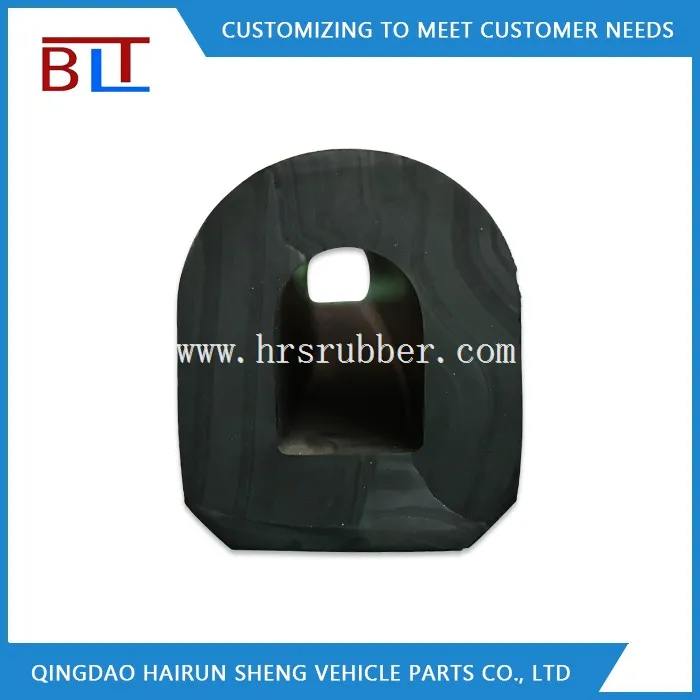

If you are interested in learning more about our sustainable Seal Strip for Automotive products or would like to discuss a potential procurement, please feel free to reach out. We are eager to work with you to meet your automotive sealing needs while minimizing the environmental impact.
References
- "Environmental Impact of Rubber Production", Journal of Environmental Science and Technology, Vol. XX, Issue XX
- "Thermoplastic Elastomers: Properties and Applications", Polymer Science Review, Vol. XX, Issue XX
- "Energy Efficiency in Vehicles: The Role of Sealing Systems", Automotive Engineering Journal, Vol. XX, Issue XX