

Hey there! As a supplier of strip seals for containers, I often get asked about the compression set of these seals. So, I thought I'd take a few minutes to break it down for you and explain why it's such an important factor when it comes to choosing the right strip seals for your containers.
First things first, let's talk about what compression set actually is. In simple terms, compression set refers to the ability of a material to recover its original shape after being compressed. When a strip seal is installed in a container, it gets compressed between the container door and the frame. Over time, and with repeated use, this compression can cause the seal to lose its elasticity and not return to its original shape completely. This is what we call compression set.
Why does compression set matter? Well, a high compression set means that the seal won't be able to maintain a proper seal over time. This can lead to a whole bunch of problems, like leaks, which can damage the goods inside the container. Moisture, dust, and even pests can get in, causing corrosion, mold growth, and other issues. Plus, if the seal isn't working properly, it can also affect the energy efficiency of the container, as air can leak in and out more easily.
So, how do you measure compression set? There are a few different methods, but one of the most common is the ASTM D395 test. In this test, a sample of the seal material is compressed to a certain percentage of its original thickness and then held under that compression for a specific period of time, usually 22 hours at a set temperature. After the time is up, the sample is allowed to recover for a few hours, and then the final thickness is measured. The compression set is then calculated as a percentage of the original thickness.
Now, let's talk about the factors that can affect the compression set of strip seals for containers. One of the biggest factors is the material the seal is made from. Different materials have different levels of elasticity and resistance to compression set. For example, rubber is a popular choice for strip seals because it's flexible and can provide a good seal. But not all rubbers are created equal. Some types of rubber, like EPDM (ethylene propylene diene monomer), have a lower compression set and better resistance to aging and environmental factors compared to others.
Another factor is the temperature. Extreme temperatures can have a big impact on the compression set of the seal. At high temperatures, the material can become softer and more prone to compression set, while at low temperatures, it can become brittle and lose its elasticity. That's why it's important to choose a seal material that's suitable for the temperature range your container will be exposed to. If you're looking for a seal that can perform well in low temperatures, you might want to check out our Low Temperature Sealing Rubber Strip.
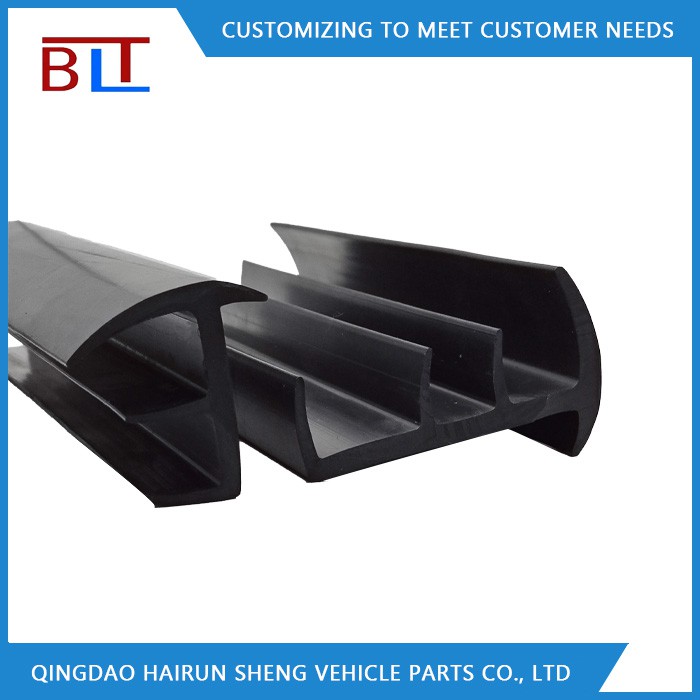
The design of the seal also plays a role. A well-designed seal will distribute the compression forces evenly across the seal, reducing the risk of excessive compression in one area. This can help to minimize the compression set and ensure a better seal over time. For example, some seals have a hollow design, which can provide more flexibility and better resistance to compression.
The installation process is also important. If the seal isn't installed correctly, it can be over-compressed or under-compressed, which can lead to a higher compression set. Make sure to follow the manufacturer's instructions carefully when installing the seal to ensure a proper fit.
At our company, we offer a wide range of strip seals for containers, each with different compression set characteristics to meet your specific needs. For example, our Flame Retardant Sealing Strip is not only resistant to fire but also has a low compression set, making it a great choice for applications where safety and durability are a priority. And our Shipping Container Door Seals are designed to provide a tight seal and withstand the rigors of shipping.
When you're choosing a strip seal for your container, it's important to consider the compression set along with other factors like the material, temperature resistance, and chemical resistance. You want to make sure you're getting a seal that will last and provide a reliable seal for your goods.
If you have any questions about compression set or which strip seal is right for your container, don't hesitate to reach out to us. We're here to help you make the best choice for your needs. Whether you're shipping goods across the country or around the world, we've got the right seal for you.
In conclusion, compression set is a crucial factor to consider when choosing strip seals for containers. By understanding what it is, how it's measured, and the factors that can affect it, you can make an informed decision and choose a seal that will provide a long-lasting, effective seal for your containers. So, if you're in the market for strip seals, give us a call or send us an email, and let's start talking about your needs.
References

- ASTM D395 - Standard Test Methods for Rubber Property - Compression Set
- Various industry publications on elastomers and container sealing technologies