

As a seasoned supplier of Container Sealing Strips, I understand the pivotal role these seemingly simple components play in the functionality and longevity of containers. Choosing the right container sealing strip is not just about preventing leaks; it's about ensuring the container's integrity, protecting its contents, and optimizing its performance. In this blog, I'll share some key considerations to help you make an informed decision when selecting a container sealing strip.
1. Compatibility with Container Type
The first step in choosing the right sealing strip is to consider the type of container it will be used for. Different containers have different requirements based on their design, usage, and the environment they operate in.
For general-purpose shipping containers, a basic rubber sealing strip can provide adequate protection against dust, water, and small debris. These strips are typically made of EPDM (Ethylene Propylene Diene Monomer) rubber, which offers good weather resistance and durability.
On the other hand, Seal Strips For Refrigerated Containers need to meet more stringent requirements. They must be able to maintain a tight seal at low temperatures to prevent cold air from escaping and warm air from entering. Specialized refrigerated container sealing strips are designed with materials that can withstand extreme temperature variations and have excellent insulation properties.
2. Material Quality
The material of the sealing strip is crucial as it determines its performance, durability, and resistance to various factors. Here are some common materials used in container sealing strips:
- EPDM Rubber: As mentioned earlier, EPDM is a popular choice for container sealing strips. It has excellent weather resistance, ozone resistance, and UV resistance, making it suitable for outdoor applications. EPDM sealing strips are also flexible, which allows them to conform to the shape of the container and provide a tight seal.
- Silicone Rubber: Silicone rubber offers high-temperature resistance and good chemical resistance. It is often used in applications where the container may be exposed to harsh chemicals or high temperatures. However, silicone rubber is more expensive than EPDM, so it is typically used in specialized applications.
- Neoprene Rubber: Neoprene rubber has good oil resistance and flame resistance. It is commonly used in containers that transport oil or other flammable materials.
When choosing a sealing strip, make sure to select a high-quality material that is appropriate for your specific application. Cheaper materials may save you money upfront, but they may not last as long or perform as well, which can lead to higher costs in the long run.
3. Seal Design
The design of the sealing strip plays a significant role in its effectiveness. A well-designed sealing strip should be able to create a tight seal around the container, preventing the entry of air, water, and other contaminants.
There are several types of seal designs available, including:
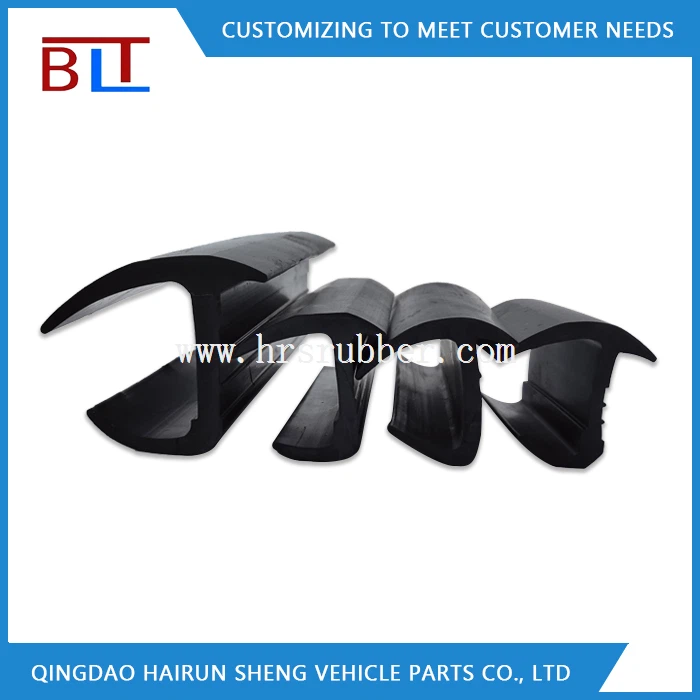

- Compression Seals: Compression seals are the most common type of sealing strip. They work by being compressed between two surfaces to create a seal. Compression seals are available in various shapes and sizes, and they can be customized to fit the specific requirements of your container.
- Tongue and Groove Seals: Tongue and groove seals are designed to fit together like a puzzle. The tongue on one side of the seal fits into the groove on the other side, creating a tight and secure seal. Tongue and groove seals are often used in applications where a high level of sealing performance is required.
- Self-Adhesive Seals: Self-adhesive seals are easy to install and can be applied directly to the container surface. They are typically made of a flexible material with an adhesive backing. Self-adhesive seals are a good option for small containers or for applications where a quick and easy installation is required.
4. Size and Dimensions
Choosing the right size and dimensions of the sealing strip is essential to ensure a proper fit. The sealing strip should be the correct width and height to fit snugly around the container opening. If the sealing strip is too narrow or too short, it may not provide a tight seal, while if it is too wide or too long, it may be difficult to install and may not function properly.
Before purchasing a sealing strip, measure the dimensions of the container opening accurately. You can also consult with a sealing strip supplier to ensure that you select the right size and dimensions for your specific application.
5. Environmental Considerations
The environment in which the container will be used is another important factor to consider when choosing a sealing strip. If the container will be exposed to extreme temperatures, harsh chemicals, or UV radiation, you need to select a sealing strip that can withstand these conditions.
For example, if the container will be used in a coastal area, it may be exposed to saltwater and high humidity. In this case, a sealing strip with good corrosion resistance and water resistance is essential. Similarly, if the container will be used in a industrial environment, it may be exposed to chemicals and pollutants, so a sealing strip with good chemical resistance is required.
6. Installation and Maintenance
The ease of installation and maintenance of the sealing strip is also an important consideration. A sealing strip that is difficult to install may require specialized tools or skills, which can increase the installation cost. On the other hand, a sealing strip that is easy to install can save you time and money.
In addition, the maintenance requirements of the sealing strip should be considered. Some sealing strips may require regular cleaning or lubrication to maintain their performance, while others may be self-lubricating or require minimal maintenance.
7. Cost
Cost is always a factor when making a purchasing decision. However, it's important to remember that the cheapest option may not always be the best. When choosing a container sealing strip, consider the overall cost, including the purchase price, installation cost, and maintenance cost.
A high-quality sealing strip may cost more upfront, but it may last longer and perform better, which can save you money in the long run. On the other hand, a cheap sealing strip may need to be replaced more frequently, which can increase the overall cost.
Conclusion
Choosing the right container sealing strip is a critical decision that can have a significant impact on the performance and longevity of your container. By considering the factors mentioned above, you can select a sealing strip that meets your specific requirements and provides a reliable and effective seal.
If you're still unsure about which container sealing strip is right for you, or if you have any questions or need further information, please don't hesitate to contact us. As a professional Container Sealing Strip supplier, we have the expertise and experience to help you find the best solution for your needs. We look forward to the opportunity to discuss your requirements and assist you in your purchasing decision.
References
- ASTM International. (2023). ASTM Standards for Rubber Sealing Products.
- Rubber Manufacturers Association. (2023). Technical Guidelines for Rubber Seals in Containers.