

Yo, folks! As a supplier of rubber bumpers, I've gotten a ton of questions about how these little guys hold up in cold weather. You know, it's not just about slapping on a bumper and calling it a day. Cold temperatures can throw a real curveball at their performance, and that's what we're gonna dig into today.
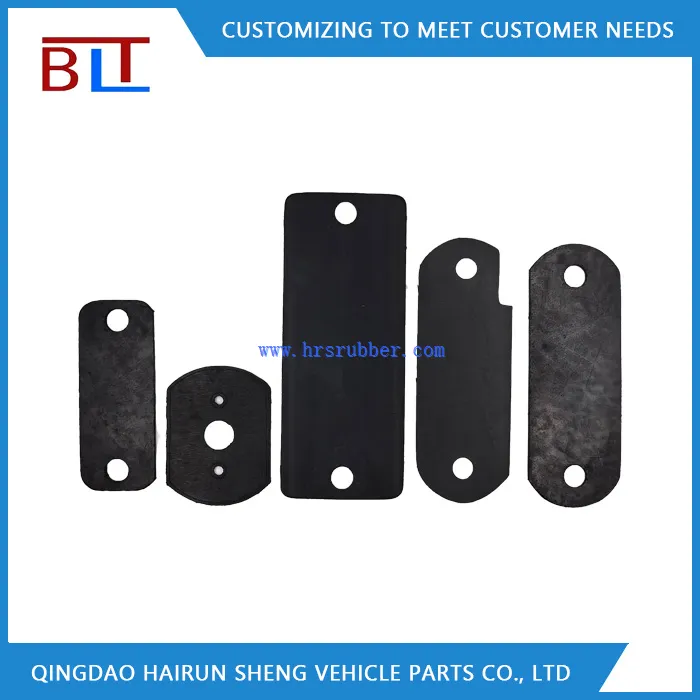
First off, let's talk about what rubber bumpers are and what they do. Rubber bumpers are like the unsung heroes of the industrial world. They're used in all sorts of places to absorb shock, reduce noise, and protect surfaces from damage. You'll find them on doors, drawers, machinery, and even Dock Bumpers at loading docks. They come in different shapes and sizes, but their main job is to cushion impacts and keep things running smoothly.
Now, when the mercury drops, rubber starts to act a little differently. Rubber is a polymer, which means it's made up of long chains of molecules. In normal temperatures, these chains can move around freely, giving rubber its flexibility and elasticity. But when it gets cold, those chains start to slow down and get all tangled up. This is called the glass transition temperature, and it's the point where rubber starts to lose its rubbery properties and becomes more like glass.
One of the first things you'll notice when rubber bumpers are exposed to cold weather is that they get stiffer. This stiffness can be a real problem because it reduces the bumper's ability to absorb shock. Instead of flexing and deforming to cushion an impact, a cold, stiff bumper will just transfer the force directly to the surface it's protecting. This can lead to damage to both the bumper and the object it's supposed to be protecting.
Another issue with cold weather and rubber bumpers is cracking. As the rubber gets stiffer, it becomes more brittle. And when it's under stress, like from an impact or repeated bending, it can crack. These cracks can start small, but over time, they can grow and weaken the bumper, making it less effective and more likely to fail.
So, how can you tell if your rubber bumpers are being affected by the cold? Well, there are a few signs to look out for. If you notice that the bumpers are harder to compress or that they're making a crunching sound when you press on them, that's a good indication that they're getting too cold. You might also see visible cracks or splits in the rubber. And if you're using the bumpers in a situation where they're supposed to absorb shock, like on a door or a piece of machinery, and you're noticing more noise or vibration than usual, that could be a sign that the bumpers aren't working as well as they should.
But don't worry, there are ways to keep your rubber bumpers performing well in cold weather. One option is to choose a rubber material that's specifically designed for cold temperatures. Some rubbers, like neoprene and EPDM, have a lower glass transition temperature than others, which means they stay flexible and elastic even in cold conditions. These types of rubbers are a great choice for applications where the bumpers will be exposed to cold weather.
Another thing you can do is to provide some insulation for the bumpers. This could be as simple as wrapping them in a layer of foam or using a heat tape to keep them warm. If you're using the bumpers in an outdoor environment, you might also want to consider using a cover or shelter to protect them from the elements.
It's also important to regularly inspect your rubber bumpers for signs of damage or wear. If you notice any cracks or splits, it's best to replace the bumper as soon as possible to prevent further damage. And if you're using the bumpers in a high-stress application, like on a heavy machinery or a loading dock, you might want to replace them more frequently to ensure they're always in good working condition.
Now, let's talk about some specific applications of rubber bumpers in cold weather. One common use for rubber bumpers is in Rubber Seal Gasket applications. These gaskets are used to create a seal between two surfaces, like a door and a frame or a window and a wall. In cold weather, the rubber in the gasket can shrink and lose its ability to form a tight seal. This can lead to air and water leakage, which can cause energy loss and damage to the building. To prevent this, it's important to choose a gasket material that's designed for cold temperatures and to install it properly.
Another application where rubber bumpers are used in cold weather is in the automotive industry. Rubber bumpers are used on cars and trucks to absorb shock and protect the vehicle from damage in the event of a collision. In cold weather, the rubber in these bumpers can become stiff and brittle, which can reduce their effectiveness. To ensure the safety of your vehicle, it's important to have your bumpers inspected regularly and replaced if necessary.
Finally, let's talk about PVC Pencil bumpers. These bumpers are made from a type of plastic called PVC, which is known for its durability and resistance to cold weather. PVC bumpers are a great choice for applications where the bumpers will be exposed to extreme temperatures, like in a freezer or a cold storage facility. They're also resistant to chemicals and UV rays, which makes them a good choice for outdoor applications.
In conclusion, rubber bumpers can be affected by cold weather, but with the right materials and maintenance, they can still perform well in cold conditions. If you're in the market for rubber bumpers and you're concerned about cold weather performance, I'd be more than happy to help you choose the right product for your needs. Just reach out to me, and we can have a chat about your specific requirements. Whether you need bumpers for a small DIY project or a large industrial application, I've got you covered. So, don't let the cold weather stop you from getting the protection you need. Let's work together to find the perfect rubber bumpers for your situation.
References

- "The Effects of Temperature on Rubber Materials." Rubber Manufacturers Association.
- "Cold Weather Performance of Rubber Products." Journal of Rubber Research.
- "Selecting the Right Rubber for Cold Temperature Applications." Elastomer Magazine.