

As a leading supplier of container rubber seals, I've witnessed firsthand the critical role these components play in ensuring the integrity and functionality of containers. One of the most challenging environments for container rubber seals is the low - temperature setting. In this blog, I'll delve into how container rubber seals perform in low - temperature environments and why it matters for container operations.
Understanding the Basics of Container Rubber Seals
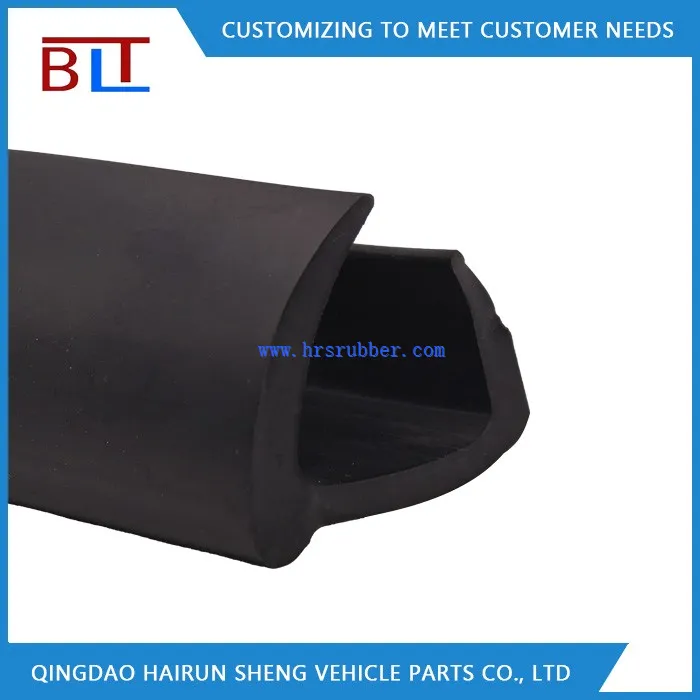
Container rubber seals are essential parts used in various types of containers, including shipping containers, refrigerated containers, and storage containers. They serve multiple purposes, such as preventing the ingress of water, dust, and air, and also reducing noise and vibration. The two most common types of seals we offer are the Container Door Seal and the Container Sealing Strip. These seals are typically made from different types of rubber materials, each with its own unique properties and performance characteristics.

The Impact of Low Temperatures on Rubber Materials
Rubber is a polymer material, and its physical and mechanical properties are highly sensitive to temperature changes. When exposed to low temperatures, rubber undergoes several significant changes:
- Hardening and Brittleness: As the temperature drops, the molecular mobility of rubber decreases. This leads to an increase in the rubber's hardness and a decrease in its flexibility. For example, natural rubber, which is known for its excellent elasticity at normal temperatures, can become extremely brittle in low - temperature environments. If a container rubber seal made of natural rubber is bent or compressed in such conditions, it may crack or break, compromising the seal's integrity.
- Reduction in Elasticity: Elasticity is a crucial property for container rubber seals. It allows the seal to conform to the irregular surfaces of the container doors and frames, creating an effective seal. In low - temperature environments, the loss of elasticity means that the seal may not be able to return to its original shape after being deformed. This can result in gaps between the seal and the container structure, allowing water, dust, and air to enter.
- Change in Sealing Force: The sealing force of a rubber seal is related to its elasticity and the compression applied during installation. In low - temperature conditions, the reduction in elasticity reduces the sealing force. A lower sealing force may not be sufficient to maintain a tight seal, especially when the container is subjected to external forces such as vibrations or pressure differentials.
Performance of Different Rubber Materials in Low - Temperature Environments
Not all rubber materials perform equally well in low - temperature environments. Here are some common rubber materials used in container seals and their low - temperature performance:
- Neoprene Rubber: Neoprene is a synthetic rubber that offers good resistance to weathering, ozone, and chemicals. It has a relatively low glass - transition temperature, which means it can maintain its flexibility at moderately low temperatures. Container seals made of neoprene can typically perform well in temperatures down to around - 20°C. However, at even lower temperatures, it will start to harden and lose some of its sealing effectiveness.
- EPDM Rubber: Ethylene - propylene - diene monomer (EPDM) rubber is known for its excellent resistance to heat, weather, and ozone. It also has good low - temperature flexibility. EPDM seals can often withstand temperatures as low as - 40°C without significant loss of elasticity. This makes EPDM a popular choice for container seals used in cold regions or in refrigerated containers.
- Silicone Rubber: Silicone rubber has a very wide temperature range and can maintain its flexibility at extremely low temperatures. It can perform well in temperatures as low as - 60°C or even lower. Silicone seals are often used in specialized applications where very low - temperature performance is required, such as in high - altitude or polar container operations.
Testing and Quality Assurance for Low - Temperature Performance
At our company, we understand the importance of ensuring that our container rubber seals can perform well in low - temperature environments. We conduct a series of tests to evaluate the low - temperature performance of our seals:
- Cold Bend Test: In this test, the rubber seal is bent at a specific low temperature for a certain period. After the test, we examine the seal for cracks or other signs of damage. This test helps us determine the minimum temperature at which the seal can maintain its integrity without cracking.
- Compression Set Test at Low Temperatures: The compression set test measures the ability of the rubber seal to recover its shape after being compressed at a low temperature. A low compression set indicates that the seal can maintain its sealing force over time, even in cold conditions.
- Leakage Test: We also perform leakage tests on our seals at low temperatures. The seals are installed on test containers, and the containers are then exposed to low - temperature environments. We measure the amount of air or water that leaks through the seal to ensure that it meets the required sealing standards.
Applications and Considerations for Low - Temperature Container Seals
- Refrigerated Containers: Refrigerated containers are used to transport perishable goods such as food, pharmaceuticals, and chemicals at low temperatures. The rubber seals in these containers need to maintain a tight seal to prevent the loss of cold air and the ingress of warm, humid air. Our Low Temperature Sealing Rubber Strip is specifically designed for such applications, with materials selected for their excellent low - temperature performance.
- Cold Storage Containers: Cold storage containers are used for long - term storage of goods in cold environments. The seals in these containers need to be able to withstand continuous exposure to low temperatures without degradation. When choosing seals for cold storage containers, it's important to consider the minimum temperature of the storage environment and select a seal material that can perform well at that temperature.
- Polar and High - Altitude Operations: In polar regions or at high altitudes, the temperature can drop to extremely low levels. Container seals used in these areas need to have exceptional low - temperature performance. Silicone rubber seals are often the best choice for such applications, as they can maintain their flexibility and sealing properties even in the harshest cold conditions.
Conclusion and Call to Action
In conclusion, the performance of container rubber seals in low - temperature environments is a complex but crucial issue. Different rubber materials have different low - temperature performance characteristics, and choosing the right material is essential for ensuring the effectiveness of the seal. At our company, we are committed to providing high - quality container rubber seals that can perform well in a wide range of temperatures, including low - temperature environments.
If you are in need of container rubber seals for low - temperature applications, we invite you to contact us for a detailed consultation. Our team of experts can help you select the most suitable seal material and design for your specific needs. Whether you are involved in the shipping, logistics, or cold storage industry, we have the solutions to meet your requirements. Let's work together to ensure the reliability and efficiency of your container operations.
References
- ASTM International. "Standard Test Methods for Rubber Property - Low - Temperature Brittleness." ASTM D2137 - 16.
- Smith, J. R. "The Effects of Temperature on Rubber Materials." Rubber Chemistry and Technology, Vol. 50, No. 3, 1977.
- Morton, M. "Rubber Technology." Van Nostrand Reinhold Company, 1973.