

As a supplier of Strip Seal for Containers, I often receive inquiries about the various properties and capabilities of our products. One question that has been coming up more frequently lately is whether strip seals for containers have a good resistance to radiation. In this blog post, I'll delve into this topic, exploring the science behind radiation resistance and how our strip seals measure up.
Understanding Radiation and Its Effects
Radiation comes in different forms, including electromagnetic radiation (such as gamma rays and X - rays) and particulate radiation (such as alpha and beta particles). Each type of radiation has unique properties and can interact with materials in various ways. When radiation interacts with a material, it can cause damage at the atomic and molecular levels. This can lead to changes in the material's physical and chemical properties, such as embrittlement, discoloration, and loss of mechanical strength.
For containers used in industries where radiation is present, such as nuclear power plants, medical facilities handling radioactive materials, or research laboratories, the ability of the strip seals to resist radiation is crucial. A seal that fails due to radiation damage can compromise the integrity of the container, leading to potential leaks of hazardous materials.
Factors Affecting Radiation Resistance of Strip Seals
The radiation resistance of strip seals depends on several factors, including the material composition, thickness, and the type of radiation it is exposed to.
Material Composition
The choice of material is perhaps the most important factor. Different rubber compounds have different levels of radiation resistance. For example, some synthetic rubbers like EPDM (Ethylene Propylene Diene Monomer) have relatively good radiation resistance. EPDM is known for its excellent weathering and chemical resistance, and it can withstand a certain amount of radiation exposure without significant degradation.
Silicone rubber is another material that offers good radiation resistance. It has a high resistance to oxidation and can maintain its flexibility and sealing properties even after exposure to radiation. On the other hand, natural rubber is generally less resistant to radiation compared to synthetic rubbers. Natural rubber contains double bonds in its molecular structure, which are more susceptible to damage by radiation.
Thickness
The thickness of the strip seal also plays a role in its radiation resistance. A thicker seal provides more material for the radiation to interact with, which can help to absorb and dissipate the energy of the radiation. However, increasing the thickness too much can also have drawbacks, such as increased cost and potential issues with installation and sealing performance.
Type of Radiation
As mentioned earlier, different types of radiation have different effects on materials. Gamma rays and X - rays are high - energy electromagnetic radiation that can penetrate deeply into materials. Alpha and beta particles, on the other hand, have a shorter range and are less penetrating. Strip seals may be more resistant to alpha and beta particles compared to gamma rays and X - rays.

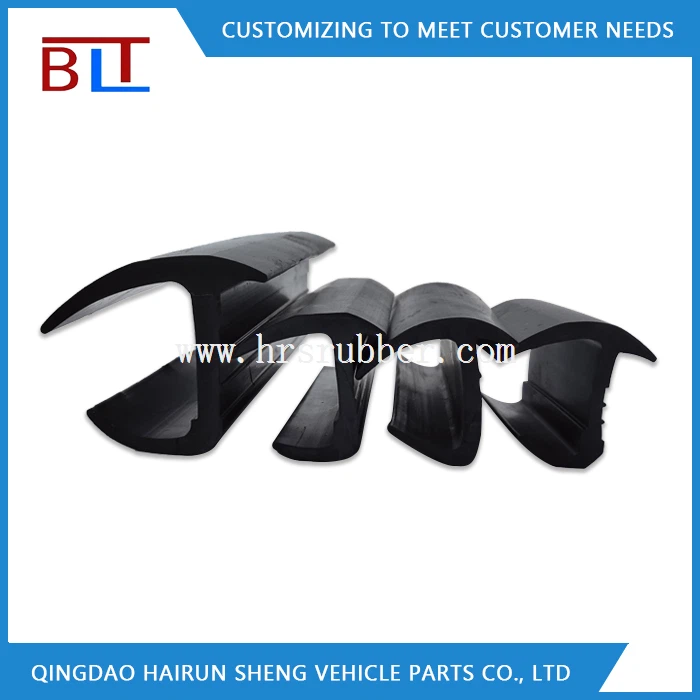
Our Strip Seals and Their Radiation Resistance
At our company, we offer a range of Strip Seal for Containers made from high - quality materials with good radiation resistance. Our seals are primarily made from EPDM and silicone rubber, which are known for their excellent performance in radiation - prone environments.
We conduct rigorous testing on our strip seals to ensure their radiation resistance. Our testing procedures involve exposing the seals to controlled levels of radiation and then evaluating their physical and mechanical properties. We measure parameters such as hardness, tensile strength, and elongation at break before and after radiation exposure. Based on these tests, we can determine the maximum level of radiation that our seals can withstand without significant degradation.
In addition to material selection and testing, we also pay close attention to the manufacturing process. We use advanced extrusion techniques to ensure uniform thickness and density of the strip seals, which helps to improve their overall performance and radiation resistance.
Comparing with Other Sealing Solutions
When it comes to radiation - resistant sealing solutions, strip seals have several advantages over other types of seals. For example, compared to Container Door Seal that are designed specifically for container doors, strip seals offer more flexibility in terms of installation. They can be easily cut to the required length and used in various applications, not just on container doors.
Rubber Extrusion Strip for Container Door is another type of sealing product. While it is also made of rubber and has some sealing capabilities, our strip seals are specifically engineered to provide better radiation resistance. Our strip seals are formulated with materials that are more resistant to radiation damage, and they undergo more comprehensive testing to ensure their performance in radiation - exposed environments.
Real - World Applications
Our strip seals have been successfully used in a variety of real - world applications where radiation resistance is required. In nuclear power plants, our seals are used to seal containers that store radioactive waste. They help to prevent the leakage of radioactive materials and ensure the safety of the environment and personnel.
In medical facilities, our strip seals are used in containers that transport radioactive isotopes for diagnostic and therapeutic purposes. The seals maintain their integrity during transportation, protecting the contents from external contaminants and preventing the release of radiation.
Conclusion
In conclusion, strip seals for containers can have a good resistance to radiation, especially when they are made from suitable materials such as EPDM or silicone rubber and are manufactured with high - quality processes. Our company, as a supplier of Strip Seal for Containers, is committed to providing products that meet the highest standards of radiation resistance.
If you are in need of strip seals for containers in a radiation - prone environment, we invite you to contact us for more information. Our team of experts can help you select the right product for your specific application and provide you with detailed technical support. Whether you are in the nuclear industry, medical field, or any other industry that requires radiation - resistant sealing solutions, we are here to assist you. Let's start a conversation to find the best strip seal solution for your needs.
References
- "Radiation Effects on Polymers" by A. Charlesby.
- "Handbook of Rubber Technology" edited by T. K. Ghosh and A. K. Bhowmick.
- Industry reports on container sealing solutions and radiation resistance.