

When it comes to container door seals, one of the most common concerns is their effectiveness in uneven door frames. As a supplier of Rubber Container Door Seals, I've encountered numerous inquiries regarding this very issue. In this blog post, I'll delve into the science behind rubber container door seals and their performance in uneven door frames.
Understanding Rubber Container Door Seals
Rubber container door seals are essential components designed to prevent the ingress of water, dust, and air into shipping containers. They are typically made from high - quality rubber materials such as EPDM (Ethylene Propylene Diene Monomer), which offers excellent weather resistance, durability, and flexibility. These seals are available in various shapes and sizes to fit different container door designs, including the Rubber Extrusion Strip for Container Door, J Type Container Door Seals EPDM Seal Strip, and Container Sealing Strip.
The Challenge of Uneven Door Frames
Container door frames can become uneven due to a variety of factors. During transportation, containers are subjected to rough handling, vibrations, and impacts, which can cause the door frames to warp or deform. Additionally, environmental factors such as temperature changes and humidity can also lead to minor structural changes in the door frames over time.
Uneven door frames pose a significant challenge for door seals because a proper seal requires a consistent and even contact surface. If the seal cannot conform to the irregularities of the door frame, gaps may form, allowing water, dust, and air to enter the container.
How Rubber Container Door Seals Address Uneven Door Frames
One of the key advantages of rubber container door seals is their flexibility. Rubber is a highly elastic material that can deform and adapt to the shape of the surface it is in contact with. When a rubber seal is installed on an uneven door frame, it can compress and expand in different areas to fill the gaps and create a tight seal.
The design of rubber container door seals also plays a crucial role in their performance. For example, some seals are designed with multiple lips or ridges. These features not only increase the contact area between the seal and the door frame but also provide additional barriers against the ingress of water and air. The multiple lips can independently adjust to the unevenness of the door frame, enhancing the overall sealing effectiveness.
Another important factor is the hardness of the rubber. A softer rubber seal is generally more flexible and can better conform to uneven surfaces. However, it also needs to have sufficient strength to withstand the pressure exerted during the closing of the container door. Our seals are carefully engineered to achieve the right balance between flexibility and strength, ensuring optimal performance in various conditions.
Scientific Testing and Evidence
Numerous scientific studies have been conducted to evaluate the sealing performance of rubber container door seals in uneven conditions. These studies typically involve simulating uneven door frames and measuring the leakage rate of water and air through the seals.
In laboratory tests, rubber seals have demonstrated remarkable ability to maintain a good seal even when the door frame has minor irregularities. The tests have shown that the leakage rate can be significantly reduced when using high - quality rubber seals compared to other types of seals or no seals at all.
Field studies also support the effectiveness of rubber container door seals. In real - world applications, containers equipped with rubber seals have been found to have a lower incidence of water and dust ingress, which helps to protect the cargo inside from damage.
Case Studies
Let's take a look at some real - life examples. A shipping company was experiencing issues with water damage to their cargo due to the uneven door frames of their containers. After switching to our rubber container door seals, they noticed a significant improvement. The multiple - lip design of the seals was able to adapt to the irregularities of the door frames, effectively preventing water from entering the containers. As a result, the number of damaged cargo claims decreased substantially, saving the company both time and money.
Another case involves a logistics company that was concerned about the energy efficiency of their storage containers. Uneven door frames were causing air leakage, leading to increased energy consumption for temperature control. By installing our rubber seals, they were able to reduce the air leakage rate, resulting in lower energy costs and a more sustainable operation.
Factors Affecting Seal Performance in Uneven Door Frames
While rubber container door seals are generally effective in uneven door frames, several factors can influence their performance.
- Degree of unevenness: If the door frame has severe warping or deformation, even the most flexible rubber seal may struggle to create a perfect seal. In such cases, it may be necessary to repair or replace the door frame before installing the seal.
- Installation quality: Proper installation is crucial for the performance of rubber container door seals. If the seal is not installed correctly, it may not be able to make full contact with the door frame, leading to gaps and leakage. Our company provides detailed installation instructions and support to ensure that the seals are installed correctly.
- Environmental conditions: Extreme temperatures and humidity can affect the properties of the rubber. For example, very cold temperatures can make the rubber more rigid, reducing its flexibility. Our seals are designed to perform well in a wide range of environmental conditions, but in extremely harsh environments, additional precautions may be required.
Conclusion
In conclusion, rubber container door seals have a good seal in uneven door frames due to their flexibility, design features, and appropriate hardness. Scientific testing and real - world case studies have demonstrated their effectiveness in preventing water, dust, and air ingress. However, the performance of the seals can be affected by factors such as the degree of unevenness, installation quality, and environmental conditions.
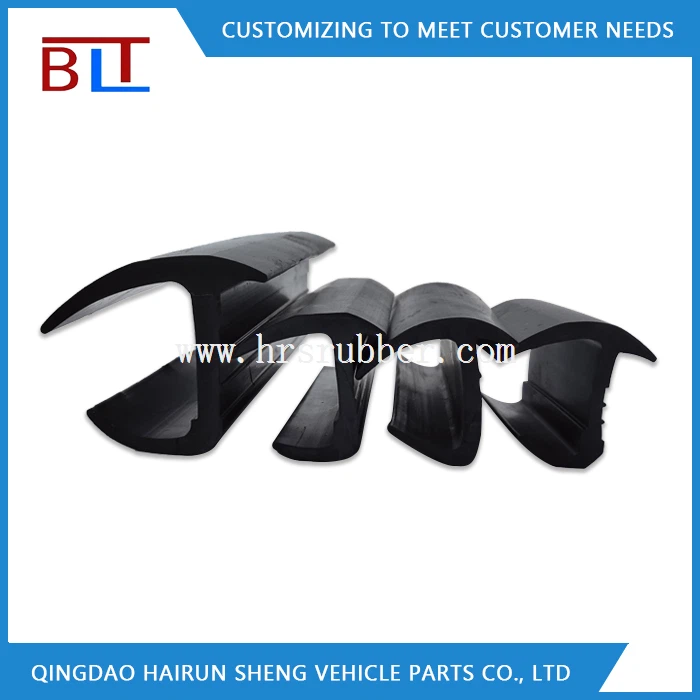

If you are facing issues with uneven door frames in your containers or are looking for high - quality rubber container door seals, we are here to help. Our range of seals, including the Rubber Extrusion Strip for Container Door, J Type Container Door Seals EPDM Seal Strip, and Container Sealing Strip, are designed to provide reliable and long - lasting sealing solutions. Contact us today to discuss your specific requirements and start a procurement negotiation.
References
- ASTM International. (Year). Standard test methods for evaluating the performance of container door seals.
- Journal of Materials Science. (Year). Research on the sealing properties of rubber materials in uneven environments.
- Industry reports on shipping container technology and sealing solutions.