

Hey there! As a supplier of strip seals for containers, I often get asked this question: Can strip seals for containers be used in air - tight containers? Well, let's dig into this topic and find out.
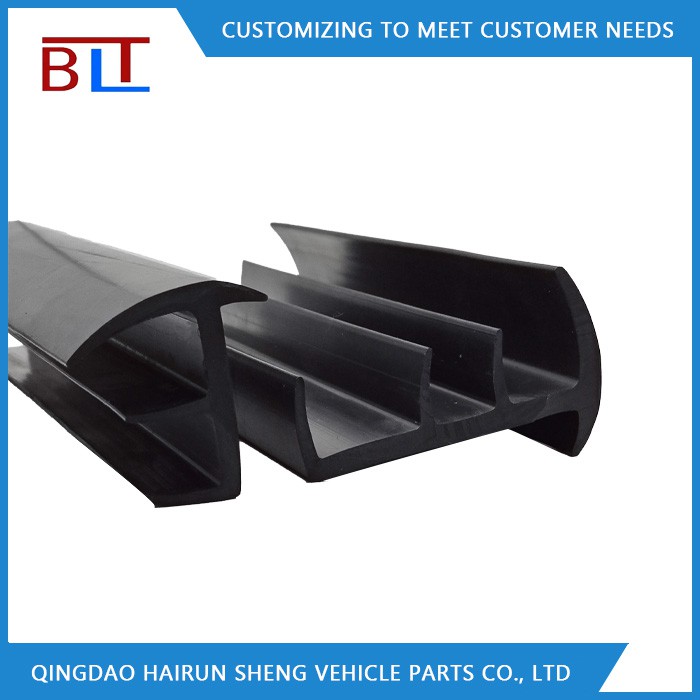
First off, what are strip seals for containers? These are basically long, flexible strips that are used to seal the edges of containers. They come in different materials like rubber, silicone, and PVC, each with its own set of properties. You can check out Rubber Container Door Seals for more info on rubber - based ones.
Now, when it comes to air - tight containers, the main goal is to prevent air from getting in or out. This is crucial for various reasons. For example, if you're storing food, an air - tight environment can keep it fresh for longer. In industrial settings, it can protect sensitive equipment from dust, moisture, and other contaminants.
Let's talk about the suitability of container strip seals for air - tight applications.
Material Matters
The material of the strip seal plays a huge role. Rubber is a popular choice for container seals. It's flexible, durable, and can form a good seal. Rubber seals can conform to the shape of the container edges, filling in any gaps and preventing air leakage. Shipping Container Door Seals are often made of rubber, and they do a great job in sealing large shipping containers.
Silicone is another option. It has excellent temperature resistance and is resistant to many chemicals. This makes it a good choice for air - tight containers that might be exposed to extreme conditions. However, it can be a bit more expensive than rubber.
PVC is a cost - effective alternative. It's rigid enough to maintain its shape but still flexible to some extent. However, it may not provide as good an air - tight seal as rubber or silicone, especially in the long run.
Design and Installation
Even with the right material, the design and installation of the strip seal are crucial. A well - designed strip seal should have a proper cross - section that allows it to fit snugly against the container edges. For example, some seals have a bulb - shaped design that can expand when compressed, creating a better seal.
Installation is also key. If the strip seal isn't installed correctly, it won't be able to form an air - tight seal. It needs to be cut to the right length, and the edges should be joined properly. Any gaps or loose ends can lead to air leakage.
Environmental Factors
The environment in which the air - tight container will be used also affects the performance of the strip seal. For instance, if the container is going to be exposed to high temperatures, a rubber seal might start to degrade over time, losing its air - tight properties. In such cases, a silicone seal would be a better choice.
On the other hand, if the container is in a humid environment, a seal that's resistant to moisture is essential. Some seals are treated with anti - fungal or anti - mold agents to prevent damage in damp conditions. You might want to look into Flame Retardant Sealing Strip if your container needs to be protected from fire hazards.
Testing the Seal
Before using a strip seal in an air - tight container, it's a good idea to test the seal. You can do a simple air - leakage test by creating a pressure difference inside and outside the container and checking for any air movement. There are also more advanced testing methods available, such as using a pressure gauge to measure the pressure drop over time.
Advantages of Using Container Strip Seals in Air - Tight Containers
- Cost - effective: Compared to some specialized air - tight sealing solutions, container strip seals are often more affordable.
- Easy to replace: If a seal gets damaged, it can be easily replaced without having to replace the entire container.
- Versatility: They can be used in a wide range of container sizes and shapes.
Limitations
- Limited lifespan: Depending on the material and usage, the strip seal may need to be replaced periodically.
- Not suitable for all applications: In some extremely high - pressure or high - precision air - tight applications, specialized seals may be required.
So, can strip seals for containers be used in air - tight containers? The answer is yes, in many cases. But you need to choose the right material, ensure proper design and installation, and consider the environmental factors.

If you're in the market for strip seals for your air - tight containers, I'd love to help. We have a wide range of strip seals available, and our team can assist you in choosing the best one for your specific needs. Whether you're storing food, industrial products, or anything in between, we've got you covered. Feel free to reach out to start a procurement discussion and find the perfect seal for your containers.
References
- Container Sealing Technology Handbook
- Rubber and Plastic Materials for Sealing Applications