

Can rubber seal strips reduce noise?
As a dedicated supplier of rubber seal strips, I've often been asked about the potential of our products to reduce noise. It's a question that touches on a crucial aspect of modern living and industrial applications. In this blog, I'll delve into the science behind noise reduction using rubber seal strips, explore their real - world applications, and share some insights based on our experience in the industry.
The Science of Noise Reduction with Rubber Seal Strips
To understand how rubber seal strips can reduce noise, we first need to grasp the basic principles of sound transmission. Sound is a form of energy that travels through the air in waves. When these waves encounter an obstacle, they can either be reflected, absorbed, or transmitted through the material.
Rubber, as a material, has several properties that make it effective for noise reduction. Firstly, it has a relatively high density compared to air. This density difference causes a significant portion of the sound waves hitting the rubber to be reflected back. When a sound wave reaches the surface of a rubber seal strip, the change in medium from air to rubber disrupts the wave's propagation, sending a large part of the wave energy back in the opposite direction.
Secondly, rubber is a viscoelastic material. This means it can both store and dissipate energy. When sound waves cause the rubber to vibrate, the internal molecular structure of the rubber converts some of the sound - wave energy into heat energy through a process called internal friction. This energy dissipation effectively absorbs the sound, reducing its intensity.
Another important factor is the installation of rubber seal strips to create a seal. When a rubber seal strip is properly installed, it fills gaps and cracks that would otherwise allow sound to pass through. For example, in a building, gaps around doors and windows are common pathways for external noise to enter. By sealing these gaps with rubber seal strips, we can block the direct path of sound waves, reducing the overall amount of noise that penetrates the structure.
Real - World Applications of Noise - Reducing Rubber Seal Strips
Residential Buildings
In homes, noise can be a major source of discomfort. Traffic noise, neighbors' activities, and weather - related sounds can all disrupt our peace and quiet. Rubber seal strips can play a significant role in creating a more serene living environment.
For doors, Rubber Door Seals can be installed along the edges to prevent noise from entering or leaving a room. These seals not only block the direct path of sound waves but also reduce the air leakage, which can carry the sound. Similarly, around windows, rubber seal strips can be used to fill the gaps between the window frame and the glass, as well as the gaps between the window and the wall. This helps to insulate the room from external noise, making it more comfortable for sleeping, relaxing, or working.
Commercial Buildings
In commercial settings such as offices, hotels, and restaurants, noise control is essential for the well - being of employees, guests, and customers. In offices, rubber seal strips can be used on partitions and doors to create private and quiet workspaces. This reduces distractions and improves productivity.
Hotels can benefit from using rubber seal strips on room doors and windows to provide a quiet and comfortable stay for guests. By reducing the noise from corridors, neighboring rooms, and the outside environment, guests are more likely to have a good night's sleep, leading to higher customer satisfaction.
Industrial Applications
Industrial facilities are often noisy environments, and excessive noise can not only be a nuisance but also a health hazard for workers. Rubber seal strips can be used in machinery enclosures to reduce the noise emitted by the equipment. For example, in manufacturing plants, extruded rubber seal strips can be installed around the doors and hatches of large machinery. These seals help to contain the noise within the enclosure, protecting workers from high - decibel levels.
In addition, rubber seal strips are used in transportation vehicles such as cars, trains, and airplanes. In cars, they are used around doors, windows, and the trunk to reduce wind noise and road noise. This enhances the comfort of the passengers and makes the driving experience more pleasant.
Our Quality Rubber Seal Strips
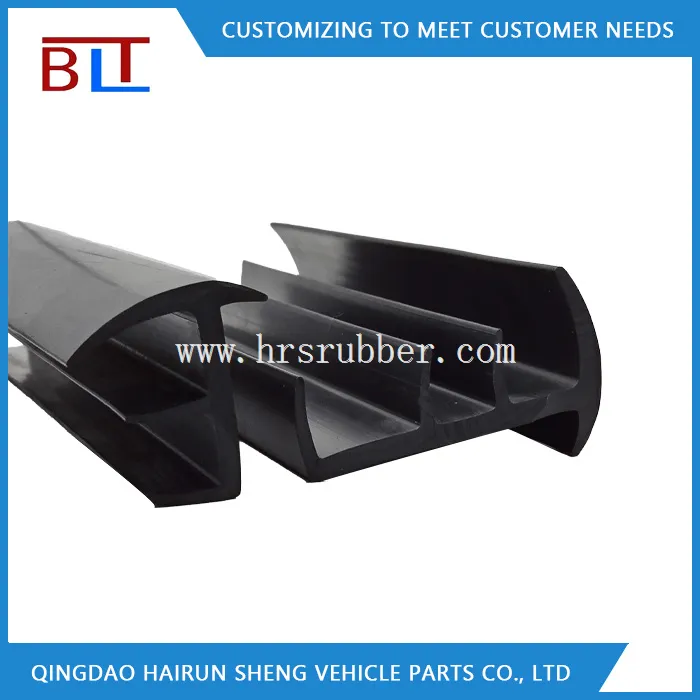
As a supplier, we take pride in offering high - quality rubber seal strips that are designed specifically for noise reduction. Our Extruded Rubber Seal Strip is manufactured using advanced extrusion technology, which ensures a consistent cross - section and high - quality finish. This type of seal strip can be customized to fit different applications, whether it's for a small home window or a large industrial machine.
We also offer Photovoltaic Panel Waterproof Adhesive Strip which not only provides waterproofing but also contributes to noise reduction in photovoltaic installations. These strips are made from durable rubber materials that can withstand harsh environmental conditions, ensuring long - term performance.
How to Choose the Right Rubber Seal Strip for Noise Reduction
When selecting a rubber seal strip for noise reduction, there are several factors to consider.
Material
The type of rubber material used in the seal strip is crucial. Different rubber compounds have different noise - reducing properties. For example, EPDM (Ethylene - Propylene - Diene Monomer) rubber is known for its excellent weather resistance and good sound - absorbing properties. Neoprene rubber, on the other hand, is more resistant to oil and chemicals and can also be effective for noise reduction in certain applications.
Size and Shape
The size and shape of the seal strip should match the application. For a proper seal, the strip needs to fit snugly into the gap or around the object. A poorly fitting seal strip will not be able to block the sound effectively, so it's important to measure the gap accurately and choose a strip with the appropriate dimensions.
Installation
Proper installation is key to achieving maximum noise reduction. The seal strip should be installed cleanly and evenly, without any gaps or wrinkles. In some cases, adhesives or fasteners may be required to secure the strip in place.
Contact Us for Your Rubber Seal Strip Needs
If you're interested in reducing noise in your home, commercial building, or industrial facility, our rubber seal strips could be the solution you're looking for. We have a wide range of products to meet different needs and applications. Whether you need a simple door seal or a custom - made extruded seal for a specific machine, we can help.
Don't hesitate to contact us for more information or to discuss your specific requirements. Our team of experts is ready to assist you in choosing the right rubber seal strip for your noise - reduction project.

References
- Beranek, Leo L. Noise and Vibration Control. McGraw - Hill, 1971.
- Craik, R. J. K. Rubber Technology. Chapman & Hall, 1995.
- Fahy, Frank J. Foundations of Engineering Acoustics. Academic Press, 2001.