

Can rubber bumpers reduce noise?
As a seasoned supplier of rubber bumpers, I've often been asked about the effectiveness of rubber bumpers in noise reduction. It's a question that delves into both the practical applications of our products and the science behind their functionality. In this blog, I'll explore the relationship between rubber bumpers and noise reduction, drawing on industry knowledge and real - world experiences.

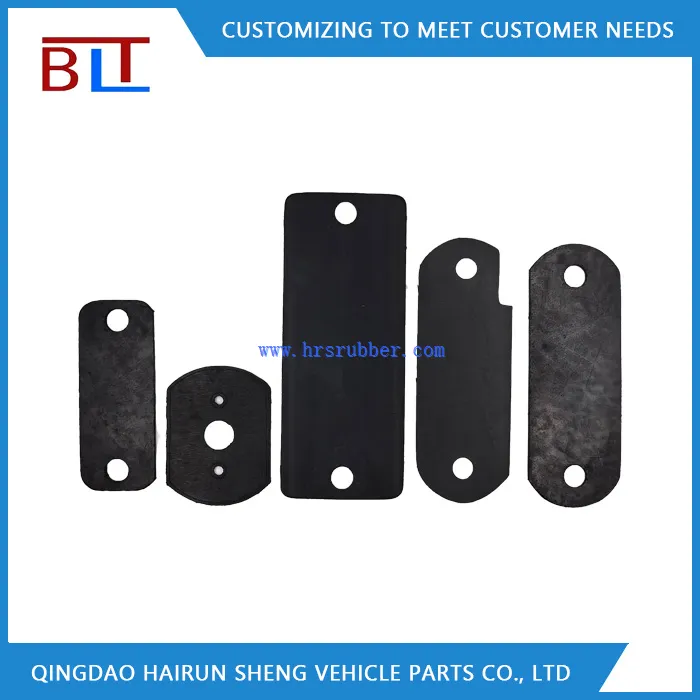
The Science of Noise and Rubber's Role
To understand how rubber bumpers can reduce noise, we first need to grasp the basics of noise generation. Noise is essentially the result of vibrations. When two objects come into contact and collide, or when a machine operates, vibrations are produced. These vibrations travel through the air or solid materials as sound waves, which our ears perceive as noise.
Rubber has unique physical properties that make it an excellent material for noise reduction. It is viscoelastic, meaning it has both viscous and elastic characteristics. When a rubber bumper is subjected to a force, such as an impact or vibration, it deforms. The viscous part of its nature allows it to dissipate the energy from the impact or vibration as heat. This energy dissipation reduces the amplitude of the vibrations, which in turn reduces the intensity of the sound waves produced.
For example, in industrial settings, heavy machinery often generates a significant amount of noise during operation. When rubber bumpers are installed between moving parts or where the machinery comes into contact with other surfaces, they absorb and dampen the vibrations. This damping effect helps to minimize the transmission of vibrations through the machine's structure and into the surrounding environment, effectively reducing the noise level.
Applications of Rubber Bumpers for Noise Reduction
Automotive Industry
In the automotive world, rubber bumpers play a crucial role in noise reduction. They are used in various parts of a vehicle, such as between the body panels and the frame, or in the suspension system. When a car is in motion, it encounters a variety of forces, including bumps on the road, wind resistance, and the movement of internal components. Rubber bumpers help to isolate these vibrations and prevent them from reaching the cabin. By reducing the noise inside the car, they enhance the comfort of the passengers and improve the overall driving experience.
Furniture and Appliances
Rubber bumpers are also commonly used in furniture and appliances. In furniture, they can be placed at the bottom of chair legs or on the edges of drawers. When a chair is moved or a drawer is opened and closed, the rubber bumpers prevent the hard surfaces from making direct contact, reducing the loud thuds and scraping noises. In appliances like washing machines or refrigerators, rubber bumpers are used to dampen the vibrations generated during operation, making them quieter and more pleasant to use in a household setting.
Shipping Containers
Shipping containers are another area where rubber bumpers can be highly effective in noise reduction. When containers are stacked or moved, there is a lot of clanging and banging as the metal surfaces come into contact. By using Shipping Container Stainless Door Retainer Strips, which often incorporate rubber elements, the impact noise can be significantly reduced. These strips not only help with noise but also protect the doors and other parts of the container from damage.
Comparing Rubber Bumpers with Other Noise - Reduction Materials
While there are other materials available for noise reduction, such as foam and fiberglass, rubber bumpers have several advantages. Foam materials are often porous and can absorb moisture, which may lead to mold growth and a reduction in their noise - reduction capabilities over time. Fiberglass, on the other hand, can be a health hazard if the fibers are inhaled, and it may not be as durable as rubber in certain applications.
Rubber bumpers are more resistant to moisture, chemicals, and wear and tear. They can withstand a wide range of temperatures and environmental conditions, making them suitable for both indoor and outdoor use. Additionally, rubber can be molded into various shapes and sizes to fit different applications, providing a more customized solution for noise reduction.
The Importance of Quality Rubber Bumpers
Not all rubber bumpers are created equal. The quality of the rubber and the manufacturing process can have a significant impact on their noise - reduction performance. High - quality rubber bumpers are made from premium rubber compounds that have optimal viscoelastic properties. They are designed to provide maximum energy absorption and damping over a long period of time.
When choosing rubber bumpers, it's important to consider factors such as the hardness of the rubber, its density, and its ability to resist aging. A rubber bumper that is too hard may not be able to absorb vibrations effectively, while a bumper that is too soft may not provide enough support or durability.
Other Related Rubber Products for Noise Reduction
In addition to traditional rubber bumpers, there are other rubber - based products that can contribute to noise reduction. Heterotype PVC Bar is a type of rubber - like product that can be used in applications where a more complex shape or specific sealing properties are required. These bars can be used to seal gaps and joints, preventing the entry of noise as well as dust and water.
Rubber Seal Gasket is another important product. Gaskets are used to create a tight seal between two surfaces, which can help to reduce the transmission of noise. They are commonly used in doors, windows, and machinery to prevent air and sound leakage.
Conclusion and Call to Action
In conclusion, rubber bumpers can indeed reduce noise effectively. Their unique viscoelastic properties allow them to absorb and dissipate the energy from vibrations, thereby reducing the intensity of the sound waves produced. They have a wide range of applications in various industries, from automotive to shipping, and can provide a durable and reliable solution for noise reduction.
If you are looking for high - quality rubber bumpers or related products for noise reduction in your project, I encourage you to reach out to discuss your specific needs. Whether it's finding the right size, shape, or rubber compound, we have the expertise and resources to provide you with the best solution. Let's work together to create a quieter and more comfortable environment.
References
- "The Physics of Sound and Vibration" by David Halliday, Robert Resnick, and Jearl Walker.
- "Industrial Noise Control and Acoustics" by Clarence H. Hansen and James D. Haldeman.
- "Automotive Noise, Vibration, and Harshness" by Soedel William.