

As a supplier of automotive rubber seals, one of the most common questions I encounter is whether these seals can resist high temperatures. This is a crucial concern, especially in the automotive industry where engines, exhaust systems, and other components generate significant heat. In this blog post, I'll delve into the science behind the high - temperature resistance of automotive rubber seals, discuss the factors that affect it, and highlight some of our products that are designed to withstand extreme heat.
The Science of High - Temperature Resistance in Rubber Seals
Rubber is a versatile material, but not all rubbers are created equal when it comes to high - temperature resistance. The ability of a rubber seal to resist high temperatures depends largely on its chemical composition. For example, silicone rubber is well - known for its excellent high - temperature resistance. It can typically withstand continuous use at temperatures ranging from - 50°C to 230°C, and even short - term exposure to temperatures up to 315°C. This makes it an ideal choice for applications near the engine or exhaust system, where temperatures can soar.
Fluorosilicone rubber is another option with remarkable high - temperature performance. It offers better chemical resistance compared to silicone rubber and can operate at high temperatures while maintaining its sealing properties. Fluorosilicone rubber can handle continuous temperatures up to 200°C and short - term spikes up to 230°C.
On the other hand, natural rubber and some types of synthetic rubbers like styrene - butadiene rubber (SBR) have relatively poor high - temperature resistance. These rubbers start to degrade at temperatures above 100°C, losing their elasticity and sealing effectiveness.
Factors Affecting High - Temperature Resistance
Several factors can influence how well an automotive rubber seal resists high temperatures:
-
Additives and Fillers: Manufacturers often add various additives and fillers to rubber compounds to enhance their properties. For high - temperature applications, heat - resistant fillers such as silica or carbon black can be used. These fillers can improve the rubber's thermal stability and mechanical strength at elevated temperatures.
-
Cross - Linking: The cross - linking process is crucial in determining a rubber's high - temperature performance. A well - cross - linked rubber network provides better resistance to heat, as it prevents the rubber molecules from moving freely and degrading. Different cross - linking methods, such as sulfur vulcanization or peroxide cross - linking, can have different effects on high - temperature resistance.
-
Exposure Time: The length of time a rubber seal is exposed to high temperatures matters. A seal may be able to withstand a short - term spike in temperature, but continuous exposure to high heat can gradually degrade the rubber. For example, a rubber seal in an engine compartment may experience occasional temperature spikes during hard acceleration, but it's the long - term exposure to the average high temperature that can cause more significant damage.
-
Environmental Conditions: Other environmental factors, such as the presence of chemicals, oils, and moisture, can interact with high temperatures and accelerate the degradation of rubber seals. For instance, if a rubber seal is exposed to hot engine oil, the combination of high temperature and the chemical properties of the oil can cause the rubber to swell, crack, or lose its sealing ability.
Our Automotive Rubber Seal Products for High - Temperature Applications
At our company, we offer a range of automotive rubber seals designed to meet the high - temperature requirements of different automotive applications.
-
Automotive Rubber Seal Strips: Our Automotive Rubber Seal Strips are made from high - quality silicone rubber. These strips are ideal for sealing doors, windows, and other areas in the vehicle where they may be exposed to heat. They provide excellent weather resistance, as well as high - temperature stability, ensuring a long - lasting and effective seal.
-
Sealing Tape For Trunk: The Sealing Tape For Trunk is another product in our lineup that can handle high temperatures. It is designed to seal the trunk area of a vehicle, protecting it from water, dust, and heat. The tape is made from a rubber compound that has been formulated to resist the heat generated by the exhaust system, which is often located near the trunk.
-
Medical Transport Vehicle Door Sealing Strip: Our Medical Transport Vehicle Door Sealing Strip is specifically engineered for medical transport vehicles. These vehicles often have to operate in various environmental conditions, including high - temperature situations. The sealing strip is made from a rubber material that can withstand the heat and maintain its sealing performance, ensuring a clean and safe environment inside the vehicle.
Testing and Quality Assurance
We understand the importance of ensuring that our automotive rubber seals can truly resist high temperatures. That's why we conduct rigorous testing on all our products. We use advanced testing equipment to simulate high - temperature environments and measure the performance of our seals over time.
Our testing includes evaluating the seal's hardness, elasticity, and sealing force before, during, and after exposure to high temperatures. We also test the seal's resistance to chemicals and other environmental factors to ensure that it can perform well in real - world automotive applications. Only after passing these comprehensive tests are our products approved for sale.
Conclusion
In conclusion, automotive rubber seals can resist high temperatures, but it depends on the type of rubber used, the manufacturing process, and other factors. At our company, we are committed to providing high - quality automotive rubber seals that can withstand the heat and perform reliably in various automotive applications.

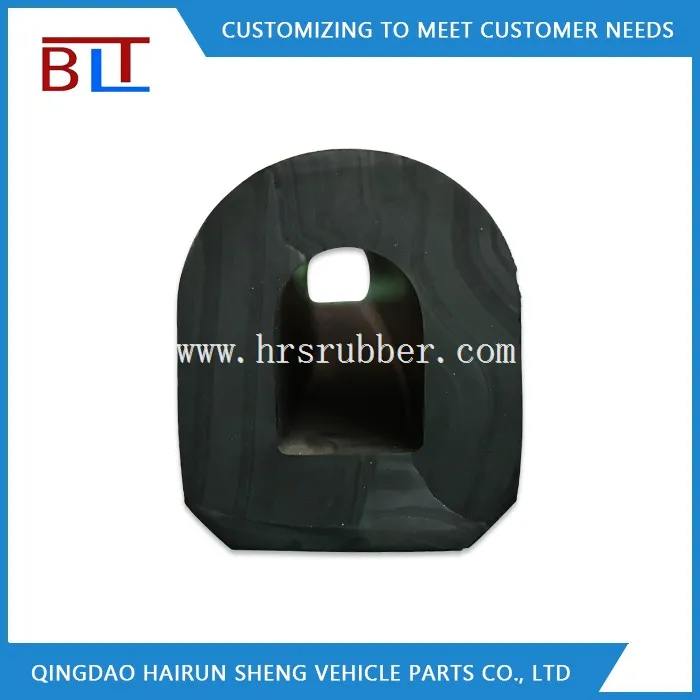
If you are in the market for automotive rubber seals that can resist high temperatures, we invite you to contact us for a detailed discussion. Our team of experts can help you choose the right product for your specific needs. Whether you are an automotive manufacturer, a repair shop, or a distributor, we are here to support your procurement requirements. Let's start a conversation about how our automotive rubber seals can meet your high - temperature sealing challenges.
References
- Morton, M. (Ed.). (1973). Rubber Technology. Van Nostrand Reinhold.
- Mark, J. E., Erman, B., & Eirich, F. R. (Eds.). (2005). Science and Technology of Rubber. Academic Press.
- Gent, A. N. (2001). Rubber Compounding: Principles, Materials, and Techniques. Hanser Gardner Publications.