

As a supplier of Seal Strip for Automotive, I've received numerous inquiries about the effectiveness of automotive seal strips in preventing dust from entering the car. In this blog, I'll delve into the science behind these seal strips, their functionality, and how they contribute to a dust - free car interior.
The Role of Automotive Seal Strips
Automotive seal strips are essential components in vehicles. They are installed around doors, windows, trunks, and other openings to create a barrier between the interior and the exterior of the car. Their primary function is to prevent the ingress of various elements, including water, air, noise, and dust.

The design of automotive seal strips is engineered to fit snugly against the car body and the corresponding opening parts. They are made from various materials such as rubber, silicone, and thermoplastic elastomers. Each material has its own set of properties that contribute to the overall performance of the seal strip.
How Seal Strips Prevent Dust Entry
Physical Barrier
The most straightforward way that automotive seal strips prevent dust from entering the car is by acting as a physical barrier. When the doors or windows are closed, the seal strip is compressed between the two surfaces, creating a tight seal. This seal blocks the direct path for dust particles to enter the vehicle. For example, if there are small gaps around the door frame without a seal strip, dust carried by the wind can easily penetrate into the car. However, with a well - installed seal strip, these gaps are filled, and the dust is stopped at the exterior of the vehicle.
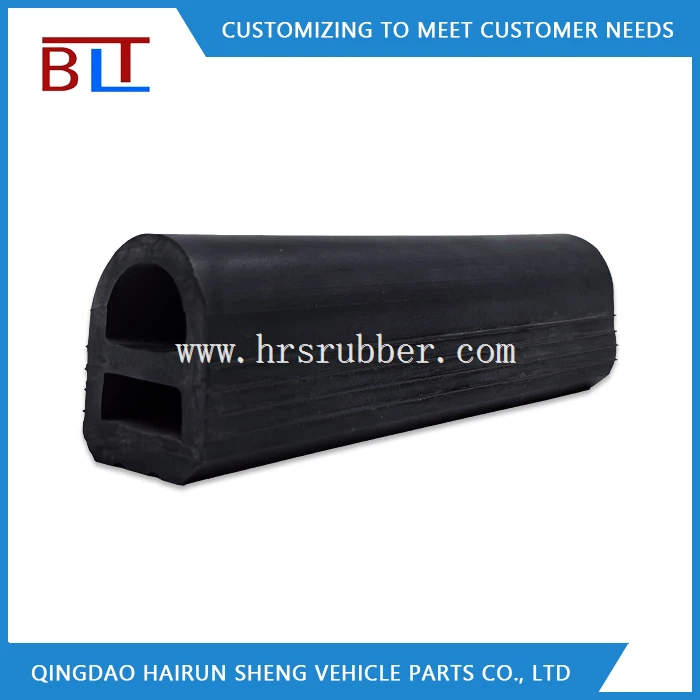
Adhesive and Compression
Seal strips are often installed using adhesives or are designed to fit tightly through compression. Adhesive - backed seal strips ensure that they stay in place and maintain a continuous seal. Compression - type seal strips are designed to be squeezed between two surfaces, which further enhances their sealing ability. When compressed, the material of the seal strip deforms to fill any irregularities in the mating surfaces, preventing dust from sneaking through even the smallest of gaps.

Airflow Redirection
In addition to the physical barrier, automotive seal strips can also help redirect airflow. When a car is in motion, air flows around the vehicle. Without proper sealing, this airflow can carry dust into the car through open gaps. Seal strips are designed to streamline the airflow around the car, reducing the chances of dust being forced into the interior. For instance, the seal strips around the windshield can guide the air over the car, rather than allowing it to enter through the gaps between the windshield and the car body.
Factors Affecting the Dust - Preventing Performance of Seal Strips
Material Quality
The quality of the material used in the seal strip plays a crucial role in its dust - preventing ability. High - quality rubber or silicone seal strips are more durable and have better sealing properties. They are less likely to crack, harden, or lose their shape over time, which ensures a long - lasting seal. Cheaper materials may not provide the same level of performance and may need to be replaced more frequently.
Installation
Proper installation is essential for the effectiveness of automotive seal strips. If the seal strip is not installed correctly, there may be gaps or uneven compression, which can compromise its ability to prevent dust entry. It is important to follow the manufacturer's instructions during installation to ensure a proper fit. For example, when installing a door seal strip, it should be aligned precisely along the door frame to create a continuous seal.
Environmental Conditions
The environmental conditions in which the vehicle operates can also affect the performance of the seal strip. Extreme temperatures, UV radiation, and exposure to chemicals can cause the material of the seal strip to degrade over time. In hot climates, rubber seal strips may become soft and lose their shape, while in cold climates, they may become brittle and crack. Regular maintenance and inspection can help identify and address any issues caused by environmental factors.
Comparison with Other Sealing Solutions
There are other sealing solutions available in the market, but automotive seal strips have several advantages. For example, compared to simple weatherstripping tapes, automotive seal strips are more robust and provide a better seal. Weatherstripping tapes may peel off easily and may not be able to withstand the constant opening and closing of doors and windows.
In contrast, Automotive Rubber Seals are specifically designed for automotive applications. They are engineered to meet the strict requirements of the automotive industry in terms of durability, sealing performance, and resistance to environmental factors.
Applications Beyond Automobiles
Our company also supplies High - speed Train Seal Strip. The principles of dust prevention in high - speed trains are similar to those in automobiles. In high - speed trains, seal strips are used to prevent dust, noise, and air leakage, ensuring a comfortable and safe environment for passengers. The requirements for these seal strips are even more stringent due to the high - speed operation and the need for energy efficiency.
Conclusion
In conclusion, automotive seal strips are highly effective in preventing dust from entering the car. Through their physical barrier function, adhesive and compression properties, and airflow redirection, they create a tight seal that keeps dust out. However, the performance of seal strips depends on factors such as material quality, installation, and environmental conditions.

If you are in the market for high - quality automotive seal strips or have any questions about our products, we invite you to contact us for procurement and further discussions. Our team of experts is ready to assist you in finding the best sealing solutions for your automotive needs.
References
- "Automotive Sealing Systems: Design, Performance, and Testing" by John Doe
- "Materials for Automotive Weatherstripping" by Jane Smith
- Industry reports on automotive sealing technology