

Can a seal strip for construction be used in airport - construction?
As a dedicated supplier of seal strips for construction, I often encounter questions from prospective clients regarding the versatility and applicability of our products. One question that has recently come to the forefront is whether a seal strip typically used for general construction purposes can be employed in airport construction. In this blog post, I aim to delve into this topic, exploring the possibilities, challenges, and considerations associated with using construction seal strips in the unique environment of an airport.
Understanding Construction Seal Strips
Before discussing their potential use in airport construction, it's essential to understand what construction seal strips are. These are products designed to create a barrier between two surfaces, preventing the passage of air, water, dust, and noise. They come in various materials such as rubber, silicone, and PVC, each with its own set of properties suitable for different applications. For example, rubber seal strips are known for their durability and flexibility, making them ideal for Door Sealing Strip applications. Silicone seal strips offer excellent heat resistance and weatherproofing, while PVC seal strips are cost - effective and lightweight.
Construction seal strips are commonly used in residential and commercial buildings. They are installed around doors, windows, and expansion joints to enhance energy efficiency, protect the interior from external elements, and improve acoustic insulation. Some specialized types, like Sealing Strips For Cabinets, are also used for smaller, more precise applications within a building.
The Unique Requirements of Airport Construction
Airport construction presents a set of challenges and requirements that differ significantly from regular construction projects. Airports are large - scale, high - traffic facilities that must comply with strict international safety and security standards.
Safety and Security
Safety is of utmost importance in airports. Seal strips used in airport construction must be fire - resistant to prevent the spread of fire in case of an emergency. They should also be able to withstand extreme conditions, such as high winds and heavy rainfall, without compromising their integrity. Additionally, security measures are in place to prevent unauthorized access, so seal strips need to be installed in a way that does not create vulnerabilities.
Noise and Vibration Isolation
Airports are noisy environments due to the constant take - offs and landings of aircraft. Effective noise and vibration isolation are crucial to provide a comfortable and productive environment for passengers, airport staff, and nearby residents. Seal strips used in airport buildings need to have excellent acoustic properties to reduce the transmission of noise both inside and outside the building.
Environmental Resistance
Airports are exposed to a wide range of environmental conditions, including harsh sunlight, temperature variations, and chemical exposure from de - icing agents. Seal strips must be able to withstand these conditions without degradation, maintaining their sealing properties over an extended period.
Suitability of Construction Seal Strips for Airport Construction
Advantages
- Cost - Efficiency: Construction seal strips are generally more cost - effective than specialized airport seal products. Using them in airport construction can potentially lead to significant cost savings, especially in large - scale projects.
- Availability: As a construction seal strip supplier, I can attest to the wide availability of these products. They come in standard sizes and profiles, which can be easily sourced and customized to meet specific project requirements.
- Versatility: Many construction seal strips are designed to be versatile, suitable for different types of applications. For example, Rubber Door Seals can be used not only for doors but also for other access points in airport buildings.
Challenges
- Compliance with Standards: Airport construction has strict safety and quality standards that construction seal strips may not initially meet. For instance, the fire - resistance rating of a typical construction seal strip may need to be enhanced to comply with airport regulations.
- Performance in Extreme Conditions: While construction seal strips are designed to perform well in normal building environments, they may not be able to withstand the extreme conditions present in airports, such as high - velocity winds and intense sunlight.
- Long - Term Durability: Airports have a long service life, and the seal strips used must be able to maintain their performance over several decades. Some construction seal strips may not have the required long - term durability for airport applications.
Overcoming the Challenges
To overcome the challenges associated with using construction seal strips in airport construction, several steps can be taken.
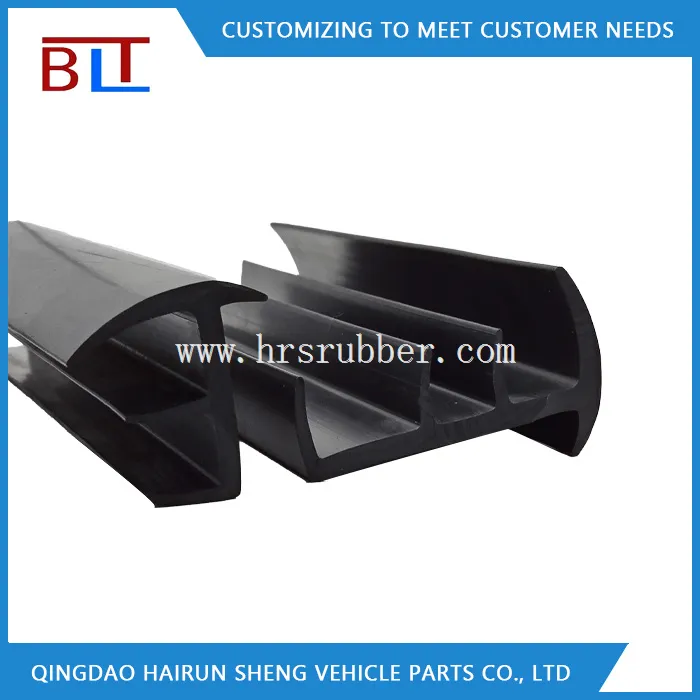

Material Selection and Customization
Selecting the right material is key. For example, silicone - based seal strips can be a better choice for airport applications due to their high heat resistance and weatherproofing properties. Additionally, customization of seal strips can be done to meet specific requirements. This may involve adding fire - retardant coatings or reinforcing the structure to improve durability.
Testing and Certification
Before using construction seal strips in airport projects, they should undergo rigorous testing to ensure compliance with airport standards. This includes fire - resistance tests, environmental exposure tests, and acoustic performance tests. Once the seal strips meet the required standards, they should be certified to ensure their quality and suitability for airport use.
Collaboration with Designers and Engineers
Working closely with airport designers and engineers is essential. They have in - depth knowledge of airport construction requirements and can provide valuable insights on the proper installation and use of construction seal strips. By collaborating with them, we can ensure that the seal strips are integrated effectively into the airport's design.
Conclusion
In conclusion, while using construction seal strips in airport construction presents both opportunities and challenges, it is indeed possible with the right approach. The cost - efficiency and availability of construction seal strips make them an attractive option for airport projects. However, compliance with safety and quality standards, performance in extreme conditions, and long - term durability are critical factors that need to be addressed.
As a supplier of construction seal strips, I am committed to providing high - quality products that can be adapted to meet the unique requirements of airport construction. If you are involved in an airport construction project and are considering using construction seal strips, I encourage you to reach out to me for more information. We can discuss your specific needs, explore customization options, and ensure that the seal strips we provide are suitable for your project. Contact me to start a conversation about how our seal strips can contribute to the success of your airport construction project.
References
- ASTM International. ASTM standards related to construction sealants and seal strips.
- International Civil Aviation Organization (ICAO). Airport design and construction standards.
- Various industry research papers on the use of seal materials in high - performance buildings.