

Hey there! As a supplier of Container Door Frame Seals, I often get asked if these seals can actually improve the insulation of a container. Well, let's dive right into it and find out.
First off, what exactly is a container door frame seal? It's a strip of material that's installed around the edges of a container door. Its main job is to create a tight seal when the door is closed, preventing air, water, dust, and pests from getting inside. But can it really make a difference in terms of insulation?
The short answer is yes! A good container door frame seal can significantly improve the insulation of a container. Let me break it down for you.
How Container Door Frame Seals Improve Insulation
1. Reducing Air Leakage
One of the biggest factors affecting the insulation of a container is air leakage. When there are gaps around the door, warm or cool air can escape, and outside air can get in. This means that your container will have to work harder to maintain a consistent temperature, which can lead to higher energy costs.
A well - installed container door frame seal fills in these gaps, creating an airtight barrier. For example, our Low Temperature Sealing Rubber Strip is designed to provide a tight seal even in cold conditions. It's made of high - quality rubber that can expand and contract with temperature changes, ensuring a continuous seal.
2. Blocking Heat Transfer
Heat can transfer through the gaps in a container door in three ways: conduction, convection, and radiation. A good seal helps to reduce all three types of heat transfer.
Conduction is the transfer of heat through a solid material. A rubber seal acts as an insulator, reducing the amount of heat that can conduct through the door frame. Convection is the transfer of heat through the movement of air. By preventing air from flowing in and out, the seal stops convective heat transfer. And while it may not completely block radiation, it does reduce the overall heat exchange between the inside and outside of the container.
3. Protecting Against Moisture
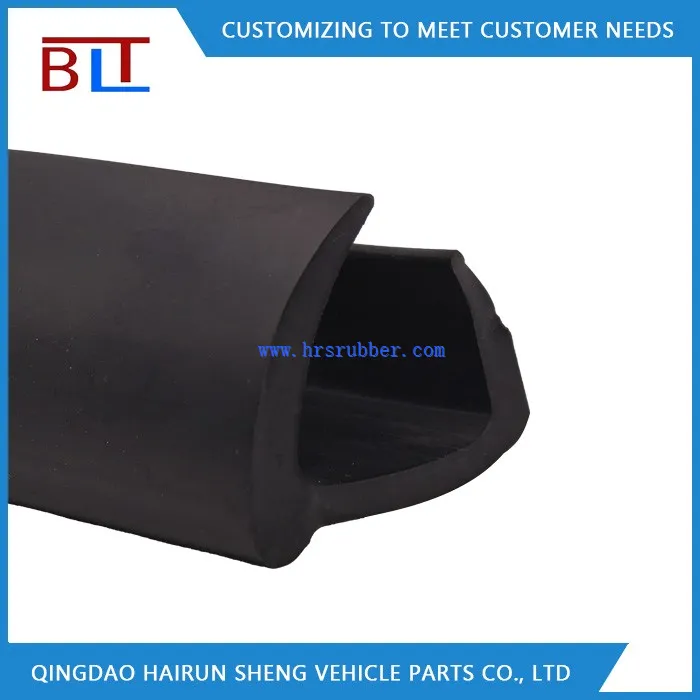
Moisture can also have a negative impact on insulation. When water gets inside a container, it can damage the contents and reduce the effectiveness of any insulation materials. A container door frame seal keeps moisture out, protecting both the container and its contents. Our J Type Container Door Seals EPDM Seal Strip is resistant to water and weather, making it an excellent choice for keeping moisture at bay.
Types of Container Door Frame Seals and Their Insulation Properties
There are several types of container door frame seals available, and each has its own unique insulation properties.
EPDM Seals
EPDM (Ethylene Propylene Diene Monomer) is a popular material for container door seals. It has excellent weather resistance, ozone resistance, and temperature stability. EPDM seals can withstand a wide range of temperatures, from very cold to very hot.
Our H Shape EPDM Container Door Rubber Seal Strip is a great example. The H - shape design provides a double - layer seal, which is more effective at blocking air and moisture. It also has good elasticity, which means it can maintain a tight seal over time.
Silicone Seals
Silicone seals are known for their high - temperature resistance and flexibility. They can be used in containers that are exposed to extreme heat or cold. Silicone seals are also very durable and resistant to chemicals, making them suitable for a variety of applications.
Neoprene Seals
Neoprene seals are resistant to oil, grease, and chemicals. They are often used in industrial containers where there may be exposure to these substances. Neoprene also has good insulation properties and can provide a reliable seal.
Factors to Consider When Choosing a Container Door Frame Seal
1. Temperature Range
The temperature range in which the container will be used is an important factor. If the container will be in a cold environment, you'll need a seal that can maintain its flexibility and sealing properties at low temperatures, like our Low Temperature Sealing Rubber Strip. On the other hand, if it's in a hot climate, a seal with high - temperature resistance, such as a silicone seal, would be a better choice.
2. Environmental Conditions
Consider the environmental conditions the container will be exposed to. If it's near the ocean, the seal should be resistant to saltwater and corrosion. If there are chemicals or pollutants in the area, choose a seal that can withstand them.
3. Container Usage
The way the container is used also matters. If it's a storage container, a basic seal may be sufficient. But if it's a shipping container that will be constantly opened and closed, you'll need a more durable and long - lasting seal.
Installation and Maintenance
Proper installation is crucial for the effectiveness of a container door frame seal. If the seal is not installed correctly, it may not provide a tight seal, and its insulation properties will be compromised. Make sure to follow the manufacturer's instructions carefully.
Maintenance is also important. Regularly check the seal for any signs of damage, such as cracks or tears. If you notice any issues, replace the seal as soon as possible to maintain the insulation of the container.
Conclusion
In conclusion, a container door frame seal can definitely improve the insulation of a container. It reduces air leakage, blocks heat transfer, and protects against moisture. By choosing the right seal for your container's needs and ensuring proper installation and maintenance, you can save energy, protect your contents, and extend the lifespan of your container.

If you're interested in learning more about our Container Door Frame Seals or want to discuss your specific requirements, feel free to reach out. We're here to help you find the best solution for your container insulation needs.
References
- "Handbook of Sealing Technology"
- "Insulation Materials and Their Applications"
- Industry reports on container sealing and insulation