

Hey there! As a supplier of Container Sealing Strips, I often get asked if there are any self - adhesive container sealing strips. Well, the answer is a big yes!
Self - adhesive container sealing strips are a game - changer in the container industry. They offer a hassle - free way to seal containers, saving time and effort. Let me break down the benefits and applications of these handy strips.
Benefits of Self - Adhesive Container Sealing Strips
Easy Installation
One of the biggest advantages of self - adhesive container sealing strips is how easy they are to install. You don't need any special tools or professional skills. All you have to do is peel off the backing paper and stick the strip onto the container. It's as simple as that! This means you can seal your containers quickly, whether you're a small business owner doing it yourself or a large company with a team of workers.
Cost - Effective
These strips are also cost - effective. Since they're easy to install, you don't have to pay for expensive labor to get the job done. And because they're designed to last, you won't have to replace them frequently. This can save you a significant amount of money in the long run.
Versatility
Self - adhesive container sealing strips can be used in a variety of applications. They're great for sealing shipping containers, keeping out dust, water, and pests. They can also be used in storage containers to maintain the quality of the stored items. Whether you're shipping goods across the ocean or just storing some tools in your garage, these strips can do the job.
Different Types of Self - Adhesive Container Sealing Strips
Low Temperature Sealing Rubber Strip
If you're dealing with containers that are exposed to low temperatures, you might want to check out the Low Temperature Sealing Rubber Strip. This type of strip is made from high - quality rubber that can withstand cold temperatures without losing its sealing properties. It's perfect for refrigerated containers or containers used in cold climates.
Rear Door Sealing Strip
The Rear Door Sealing Strip is specifically designed for the rear doors of containers. It provides a tight seal, preventing air and water from entering the container. This is crucial for protecting the contents of the container, especially if they're sensitive to moisture or temperature changes.
Container Door Seal
The Container Door Seal is a more general - purpose seal that can be used on all types of container doors. It's made from durable materials that can withstand the wear and tear of regular use. This seal helps to keep the container airtight and secure.
How to Choose the Right Self - Adhesive Container Sealing Strip
When choosing a self - adhesive container sealing strip, there are a few things you need to consider.
Material
The material of the strip is very important. Rubber is a popular choice because it's flexible, durable, and provides a good seal. However, there are also other materials available, such as silicone and PVC. Each material has its own advantages and disadvantages, so you need to choose the one that best suits your needs.
Size
The size of the strip is also crucial. You need to make sure that the strip is the right width and length for your container. A strip that's too narrow or too short won't provide a proper seal, while a strip that's too wide or too long can be difficult to install.
Temperature Resistance
If your container will be exposed to extreme temperatures, you need to choose a strip that can withstand those conditions. For example, if you're using the container in a hot climate, you need a strip that won't melt or lose its shape. On the other hand, if you're using it in a cold climate, you need a strip that won't become brittle.
Installation Tips
Here are some tips to help you install your self - adhesive container sealing strip properly:
Clean the Surface
Before you install the strip, make sure the surface of the container is clean and dry. Any dirt, dust, or moisture can prevent the strip from adhering properly. You can use a mild detergent and a clean cloth to clean the surface.
Measure Twice, Cut Once
Measure the length of the area where you want to install the strip carefully. Then, cut the strip to the correct length. It's better to measure twice and cut once to avoid wasting the strip.
Apply Pressure
After you stick the strip onto the container, apply pressure along the entire length of the strip. This will ensure that the strip adheres firmly to the surface. You can use a roller or your hands to apply pressure.
Maintenance
Maintaining your self - adhesive container sealing strip is relatively easy. Here are some tips:
Regular Inspections
Inspect the strip regularly for any signs of damage or wear. If you notice any cracks, tears, or other damage, replace the strip immediately.
Clean the Strip
Clean the strip periodically to remove any dirt or debris. You can use a mild detergent and a soft brush to clean the strip.
Conclusion
Self - adhesive container sealing strips are a great solution for sealing containers. They're easy to install, cost - effective, and versatile. Whether you're a business owner or an individual, these strips can help you protect your containers and their contents.

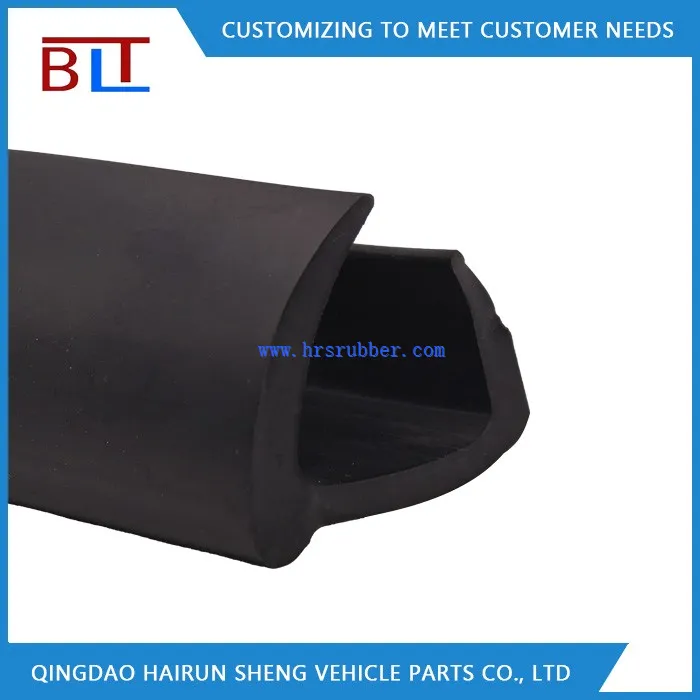
If you're interested in purchasing self - adhesive container sealing strips or have any questions, feel free to reach out. We're here to help you find the right product for your needs. Let's start a conversation and see how we can work together to meet your container sealing requirements.
References
- General knowledge about container sealing strips from industry experience.
- Information about specific products sourced from internal product knowledge.