


What is Rubber Door Seals?
Rubber door seals, also known as weatherstripping or gaskets, play a crucial role in preventing the infiltration of external elements such as rain, dust, and noise into vehicles, buildings, or appliances. These seals are typically made from durable rubber materials, designed to create a tight and resilient barrier around doors, windows, or other openings. By forming a secure seal, they contribute to energy efficiency, insulation, and overall environmental control. Whether in automotive applications, architectural structures, or household appliances, rubber door seals serve as effective protective barriers, enhancing the functionality and performance of various products and ensuring a comfortable and secure environment.
Advantages of Rubber Door Seals
Weather resistance
Rubber door seals provide effective protection against harsh weather conditions, such as rain, snow, and extreme temperatures. They act as a barrier, preventing water and outdoor elements from entering indoor spaces.
Energy efficiency
By creating a tight seal around doors and windows, rubber seals contribute to energy efficiency. They help in maintaining a stable indoor temperature, reducing the need for excessive heating or cooling and consequently lowering energy consumption.
Sound insulation
Rubber door seals have sound-absorbing properties, minimizing the transmission of external noise into enclosed spaces. This is particularly advantageous in residential, commercial, and automotive applications where noise reduction is desired.
Durability
These seals are typically made from durable rubber materials, providing long-lasting performance. They can withstand frequent use, exposure to various environmental conditions, and the wear and tear associated with daily activities.
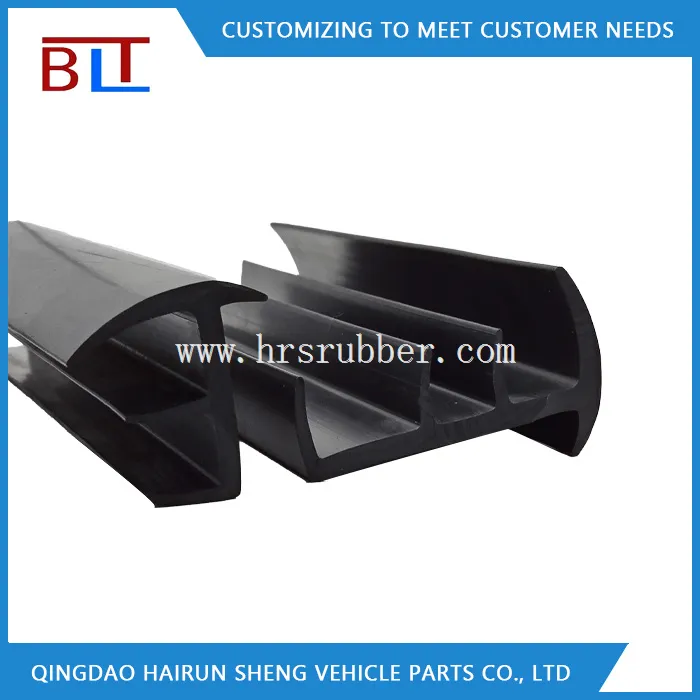

Why Choose Us?
High quality: Our products are manufactured or executed to very high standards, using the finest materials and manufacturing processes.
24h online service: We try and respond to all concerns within 24 hours and our teams are always at your disposal in case of any emergencies.
Rich experience: Dedicated to strict quality control and attentive customer service, our experienced staff is always available to discuss your requirements and ensure complete customer satisfaction.
Quality control: We have professional personnel to monitor the production process, inspect the products and ensure that the final product meets the required quality level standards, guidelines and specifications.
Working Principle of Rubber Door Seals
The working principle of rubber door seals lies in their ability to create a secure and flexible barrier between the movable parts of doors and windows and their frames. When a door or window is closed, the rubber door seal compresses against the adjacent surface, forming a tight seal. This compression ensures that the seal conforms to the contours of the surfaces, effectively blocking the passage of external elements such as air, water, dust, and noise. The elasticity of the rubber material allows it to adapt to irregularities and maintain consistent contact, providing an efficient and reliable seal. Whether through adhesive backing, sliding into grooves, or utilizing magnetic forces, rubber door seals function to enhance insulation, weather resistance, and overall environmental control in a variety of applications.
The Manufacturing Process of Rubber Door Seals
Material selection
The process begins with the selection of suitable rubber materials. Common choices include epdm (ethylene propylene diene monomer), silicone, neoprene, or a blend of rubber compounds. The selection depends on the specific properties required, such as durability, flexibility, and resistance to weather and temperature extremes.
Material preparation
The chosen rubber material undergoes a preparation phase where it is mixed with other additives to achieve the desired characteristics. This mixture is often processed through a two-roll mill or an internal mixer to ensure a uniform blend.
Extrusion
The prepared rubber compound is then fed into an extruder, which shapes the material into a continuous profile that matches the desired cross-sectional shape of the door seal. The extrusion process allows for consistent production of long lengths of seals with a specific geometry.
Curing or vulcanization
The extruded rubber profiles are then passed through a curing or vulcanization process. This involves exposing the rubber to heat to promote cross-linking of polymer chains, resulting in improved strength, elasticity, and resistance to environmental factors. The curing process may also involve the use of chemicals or steam.
Cutting and sizing
After vulcanization, the rubber profiles are cut into the desired lengths based on the specific requirements of the door or window frames. Precision cutting ensures uniformity and accuracy in the final product.
Molding
Some rubber door seals may undergo additional molding processes to incorporate specific features, such as corners, flaps, or bulbous shapes. This step enhances the seal's effectiveness in providing a tight fit.
Surface treatment
Surface treatments, such as the application of coatings or adhesives, may be employed to enhance certain properties of the rubber door seals, such as adhesion, weather resistance, or ease of installation.
Quality control
Throughout the manufacturing process, quality control measures are implemented to ensure that the rubber door seals meet specified standards. This may include inspections for dimensional accuracy, visual defects, and performance testing.
Material type
Different rubber materials offer varying levels of durability, flexibility, and resistance to environmental factors. Common materials include epdm, silicone, neoprene, and blends. Choose a material that suits the intended application and environmental conditions.
Application type
Consider the specific application for which the door seal is intended, such as automotive, industrial, or residential use. Different applications may require seals with particular features, such as sound insulation, weather resistance, or resistance to chemicals.
Profile and shape
The cross-sectional profile and shape of the rubber door seal should match the design and requirements of the door or window. Common profiles include d-shaped, bulb seals, flap seals, and slide-in seals. Ensure that the chosen profile provides an effective seal against external elements.
Size and dimensions
Measure the dimensions of the door or window frame accurately to select rubber door seals that fit snugly. Consider factors like thickness, width, and length to ensure a proper and secure fit.
Compression and flexibility
Evaluate the compression and flexibility of the rubber seal. The seal should compress adequately when the door or window is closed to form a tight barrier, and it should also remain flexible to accommodate movements without losing its sealing properties.
Temperature and weather resistance
Assess the temperature range and weather conditions the rubber door seal will be exposed to. Ensure that the selected material is resistant to extreme temperatures, uv radiation, and other environmental elements to maintain its effectiveness over time.
Adhesion and installation
Consider the installation method and whether the seal needs to be adhesive-backed, slide-in, or attached using other methods. Adhesive-backed seals are convenient for easy installation, while slide-in seals are suitable for specific door or window configurations.
Durability and longevity
Look for rubber door seals with high durability to withstand frequent use and exposure to external elements. Consider factors such as resistance to abrasion, wear, and aging to ensure a longer lifespan.
How to Use Rubber Door Seals



Prepare the surface
Ensure that the surfaces where the rubber door seals will be installed are clean, dry, and free from debris. Clean the door or window frame thoroughly to promote optimal adhesion.
Measure and cut
Measure the dimensions of the door or window frame accurately, and cut the rubber door seal to the required length. Use appropriate tools, such as scissors or a utility knife, to achieve clean and precise cuts.
Test fit
Before applying any adhesive or securing the seal in place, perform a test fit to confirm that the rubber door seal matches the dimensions of the frame. Adjust the length if necessary.
Apply adhesive
If the rubber door seal comes with adhesive backing, peel off the protective layer and carefully apply the seal to the designated areas on the door or window frame. Press firmly to ensure good adhesion.
Insert into groove
For slide-in or groove-style rubber door seals, carefully insert the seal into the designated groove or channel on the door or window frame. Ensure that the seal fits securely and snugly into place.
Secure the ends
If the rubber door seal has loose ends, make sure to secure them using appropriate methods, such as tucking them into the groove, using adhesive, or attaching end caps, depending on the seal design.
Ensure proper compression
Close the door or window to ensure that the rubber seal compresses adequately, creating a tight barrier against external elements. Verify that the seal does not interfere with the smooth operation of the door or window.
Check for gaps
Inspect the entire perimeter of the door or window to ensure that there are no gaps or areas where the seal is not making proper contact. Adjust the seal if needed to achieve a consistent and effective seal.
Trim excess
Trim any excess length of the rubber door seal using appropriate tools, ensuring a neat and tidy appearance while maintaining an effective seal.
Perform functionality tests
Open and close the door or window several times to confirm that the rubber door seal does not impede the functionality. Ensure that the seal maintains its integrity and continues to provide an effective barrier.
Regular maintenance
Periodically inspect the rubber door seals for wear, damage, or loss of effectiveness. Replace any damaged or worn seals to ensure continued performance.
Application of Rubber Door Seals
Automotive industry
Rubber door seals are extensively used in vehicles to seal the gaps around doors, windows, and trunks. They contribute to sound insulation, weatherproofing, and preventing dust and water from entering the vehicle interior.
Residential doors and windows
Homeowners use rubber door seals to enhance insulation and weather resistance around exterior doors and windows. These seals help maintain a comfortable indoor environment by preventing drafts, reducing noise, and improving energy efficiency.
Commercial buildings
Rubber door seals are employed in commercial structures to seal entrances, windows, and other openings. This helps in controlling indoor temperatures, reducing energy costs, and enhancing overall environmental comfort.
Industrial applications
In industrial settings, rubber door seals are utilized to seal doors and access points in manufacturing facilities, warehouses, and cleanrooms. They help prevent the ingress of dust, debris, and contaminants while providing thermal insulation.
Refrigeration and freezers
Rubber door seals play a crucial role in refrigeration and freezer units, ensuring a tight seal to maintain temperature consistency. This is vital for energy efficiency and preventing the escape of cold air.
Marine applications
Rubber door seals are used in marine environments to seal doors, windows, and hatches on ships and boats. They contribute to waterproofing and protecting interior spaces from the corrosive effects of saltwater.
Aerospace industry
Aerospace applications utilize rubber door seals for sealing aircraft doors and windows. These seals help maintain cabin pressure, contribute to insulation, and ensure the safety and comfort of passengers and crew.
Electrical cabinets and enclosures
Rubber door seals are employed in electrical cabinets and enclosures to provide a secure seal, protecting sensitive electronic equipment from dust, moisture, and environmental factors.
Construction
In construction, rubber door seals are used in building envelopes, providing effective weatherproofing for exterior doors and windows. They contribute to energy efficiency and environmental control in both residential and commercial structures.
Specialized equipment
Rubber door seals are incorporated into various specialized equipment, such as air compressors, generators, and industrial machinery, to prevent the ingress of contaminants and maintain optimal operating conditions.
Soundproofing applications
Rubber door seals with soundproofing properties are utilized in applications where noise control is essential, such as recording studios, theaters, or spaces requiring privacy and reduced external noise.
How to Install Rubber Door Seals
Measure the door or window
Measure the dimensions of the door or window frame accurately to determine the length of the rubber door seal needed. Consider any corners or irregularities in the frame.
Cut the rubber door seal
Using scissors or a utility knife, carefully cut the rubber door seal to the measured length. Ensure a clean and precise cut for optimal performance.
Prepare the surface
If the rubber door seal is adhesive-backed, clean the surface of the door or window frame thoroughly. Remove any dirt, dust, or grease to ensure proper adhesion.
Peel off the protective layer
If the rubber door seal has adhesive backing, peel off the protective layer to expose the adhesive side. Be careful not to touch the adhesive with your fingers to maintain its effectiveness.
Apply the rubber door seal
Press the rubber door seal onto the designated area of the door or window frame. If adhesive-backed, apply firm and even pressure to ensure proper adhesion. For slide-in or groove-style seals, insert the seal into the groove or channel.
Secure the ends
Ensure that the ends of the rubber door seal are securely in place. Tuck them into the groove or use adhesive to prevent any gaps.
Check compression
Close the door or window to check the compression of the rubber seal. It should compress adequately, creating a tight barrier against external elements. Verify that the door or window can still open and close smoothly.
Trim excess length
Trim any excess length of the rubber door seal using scissors or a utility knife. Ensure a neat appearance without compromising the effectiveness of the seal.
Perform functionality tests
Open and close the door or window several times to confirm that the rubber door seal does not impede functionality. Check for any gaps or areas that may require adjustments.
Regular maintenance
Periodically inspect the rubber door seals for wear, damage, or loss of effectiveness. Replace any damaged or worn seals to ensure continued optimal performance.
How to Replace the Rubber Door Seals
Remove the old rubber door seal
Carefully peel off or remove the existing rubber door seal. Depending on the type of seal and its attachment method, this may involve pulling it out of a groove, detaching it from adhesive, or unscrewing it if it's fixed with screws.
Clean the surface
Thoroughly clean the surface of the door or window frame where the old seal was attached. Remove any adhesive residue, dirt, or debris to ensure proper adhesion for the new seal.
Measure for replacement
Measure the dimensions of the door or window frame to determine the length of the new rubber door seal needed. Take into account any corners or irregularities in the frame.
Cut the new rubber door seal
Using scissors or a utility knife, carefully cut the new rubber door seal to the measured length. Ensure a clean and precise cut for optimal performance.
Prepare the new seal
If the new rubber door seal is adhesive-backed, peel off the protective layer to expose the adhesive side. Be careful not to touch the adhesive with your fingers to maintain its effectiveness.
Apply the new rubber door seal
Press the new rubber door seal onto the designated area of the door or window frame. If adhesive-backed, apply firm and even pressure to ensure proper adhesion. For slide-in or groove-style seals, insert the seal into the groove or channel.
Secure the ends
Ensure that the ends of the new rubber door seal are securely in place. Tuck them into the groove or use adhesive to prevent any gaps.
Check compression
Close the door or window to check the compression of the new rubber seal. It should compress adequately, creating a tight barrier against external elements. Verify that the door or window can still open and close smoothly.
Trim excess length
Trim any excess length of the new rubber door seal using scissors or a utility knife. Ensure a neat appearance without compromising the effectiveness of the seal.
Perform functionality tests
Open and close the door or window several times to confirm that the new rubber door seal does not impede functionality. Check for any gaps or areas that may require adjustments.
Secure with screws
If the rubber door seal is designed to be secured with screws, use a screwdriver to attach it securely to the door or window frame.
Regular maintenance
Periodically inspect the rubber door seals for wear, damage, or loss of effectiveness. Replace any damaged or worn seals to ensure continued optimal performance.
Process of Rubber Door Seals
Remove the old rubber door seals: Use a screwdriver or appropriate tools to carefully remove the existing rubber door seals. Start from one end and work your way around the door or window frame. Ensure that all remnants of the old seals are removed.
Clean the surface: Clean the surface of the door or window frame thoroughly to remove any dirt, adhesive residue, or debris. This step is crucial for ensuring proper adhesion if the new seals are adhesive-backed.
Measure and cut the new seals: Measure the dimensions of the door or window frame to determine the length of the new rubber door seals needed. If the new seals are longer than required, use scissors or a utility knife to trim them to the correct length.
Prepare the new seals: If the new rubber door seals come with adhesive backing, peel off the protective layer to expose the adhesive side. Be careful not to touch the adhesive with your fingers.
Apply the new seals: Press the new rubber door seals onto the designated areas of the door or window frame. For adhesive-backed seals, apply firm and even pressure to ensure proper adhesion. For slide-in or groove-style seals, insert them into the grooves or channels.
Secure the ends: Ensure that the ends of the new rubber door seals are securely in place. Tuck them into the grooves or use adhesive to prevent any gaps.
Check compression: Close the door or window to check the compression of the new rubber door seals. They should compress adequately, creating a tight barrier against external elements. Verify that the door or window can still open and close smoothly.
Trim excess length: Trim any excess length of the new rubber door seals using scissors or a utility knife. Ensure a neat appearance without compromising the effectiveness of the seals.
Perform functionality tests: Open and close the door or window several times to confirm that the new rubber door seals do not impede functionality. Check for any gaps or areas that may require adjustments.
Regular maintenance: Periodically inspect the new rubber door seals for wear, damage, or loss of effectiveness. Replace them as needed to ensure continued optimal performance.
Things to Note When Using Rubber Door Seals



Proper sizing
Ensure that you accurately measure the dimensions of the door or window frame to select the right-sized rubber door seal. A proper fit is essential for optimal sealing and insulation.
Material compatibility
Choose a rubber door seal made from a material that is compatible with the specific application and environmental conditions. Consider factors such as temperature, uv exposure, and exposure to chemicals.
Installation surface preparation
Clean the surfaces where the rubber door seals will be installed thoroughly. Remove any dirt, grease, or debris to ensure proper adhesion, especially if the seal is adhesive-backed.
Adhesive application
If the rubber door seal comes with adhesive backing, follow the manufacturer's instructions for proper application. Ensure that the adhesive is evenly distributed and that the seal is pressed firmly into place.
Compression and flexibility
Confirm that the rubber door seal compresses adequately when the door or window is closed. The seal should maintain its flexibility to accommodate movements without losing its sealing properties.
Inspect for gaps
After installation, carefully inspect the entire perimeter of the door or window to ensure that there are no gaps or areas where the seal is not making proper contact. Adjust the seal if needed to achieve a consistent and effective seal.
Regular maintenance
Periodically inspect the rubber door seals for wear, damage, or signs of deterioration. Replace any seals that show signs of wear to maintain their effectiveness.
Weather stripping condition
Check the condition of the rubber door seal's weather stripping. Ensure that it remains pliable and does not become brittle over time, especially in environments with extreme temperature variations.
Replace damaged seals promptly
If you notice any damage, tears, or deformities in the rubber door seals, replace them promptly. Damaged seals can compromise their effectiveness in providing a proper seal.
Consider environmental factors
Take into account the specific environmental factors in the application area, such as exposure to sunlight, moisture, or chemicals. Choose a rubber door seal that is resistant to these elements to ensure long-lasting performance.
Components of Rubber Door Seals
Base material
The primary component is the rubber or elastomeric material that forms the main body of the seal. Common rubber materials include epdm (ethylene propylene diene monomer), silicone, neoprene, and blends. The choice of material depends on factors such as durability, flexibility, and resistance to environmental conditions.
Adhesive
Some rubber door seals come with an adhesive backing to simplify the installation process. The adhesive layer allows the seal to be securely attached to the door or window frame.
Metal inserts or reinforcements
In some cases, rubber door seals may include metal inserts or reinforcements to provide added strength, rigidity, or shape retention. These inserts may be made of materials like steel or aluminum and are often embedded within the rubber profile.
Magnetic strips
Magnetic rubber door seals may contain embedded magnetic strips or ferrous materials. These magnets create a magnetic attraction when the door or window is closed, enhancing the seal and preventing air or water infiltration.
Bulb or flap elements
Depending on the design, rubber door seals may feature bulbous or flap elements. These components contribute to the seal's ability to compress and form a tight barrier when the door or window is closed.
Pile or brush elements
Some rubber door seals, particularly in sliding door applications, may incorporate fine fibers, such as pile or brush elements. These elements help create a barrier against drafts, dust, and insects while allowing for smooth door movement.
Grooves or channels
Slide-in rubber door seals may have grooves or channels designed to fit into corresponding slots or tracks on the door or window frame. This feature ensures a secure and stable installation.
End caps or connectors
Rubber door seals may include end caps or connectors to secure the ends of the seal, especially in applications where the seal forms a loop or needs additional reinforcement.
Surface coatings
Some rubber door seals may have surface coatings or treatments for specific purposes, such as improving weather resistance, reducing friction, or enhancing durability.
Compression springs
In certain designs, rubber door seals may incorporate compression springs to enhance the seal's ability to compress and rebound when the door or window is opened and closed.
Regular cleaning
Clean the rubber door seals regularly to remove dirt, dust, and debris. Use a mild detergent or soapy water and a soft brush or cloth to gently scrub the seals. Avoid using harsh chemicals that may damage the rubber.
Avoid solvents and petroleum-based cleaners
Refrain from using solvents or petroleum-based cleaners on rubber door seals, as these can degrade the rubber material over time. Stick to gentle cleaning solutions to preserve the integrity of the seals.
Inspect for wear and damage
Periodically inspect the rubber door seals for signs of wear, tear, or damage. Look for cracks, splits, or any areas where the seal may be compromised. Replace damaged seals promptly to maintain their effectiveness.
Ensure proper compression
Check that the rubber door seals compress adequately when the door or window is closed. Insufficient compression may result in gaps that allow drafts, water, or noise to enter. Adjust or replace the seals if needed.
Lubricate moving parts
If the rubber door seals are part of a sliding or moving mechanism, lubricate the moving parts regularly to ensure smooth operation. Use a silicone-based lubricant to avoid damaging the rubber.
Protect from uv exposure
If the rubber door seals are exposed to sunlight, consider applying a uv protectant to prevent the rubber from becoming brittle over time. Uv exposure can lead to degradation, so protecting the seals from direct sunlight is important.
Address mold and mildew
In humid environments, mold and mildew can develop on rubber door seals. Clean any mold or mildew using a mixture of water and white vinegar. Ensure the seals are completely dry afterward to prevent further growth.
Trim excess length
If the rubber door seals have excess length, trim them carefully using scissors or a utility knife. Ensure that the trim does not compromise the effectiveness of the seal.
Check magnetic seals
If the rubber door seals are magnetic, ensure that the magnets remain intact and provide a secure closure. Clean the magnetic surfaces to remove any debris that could affect the magnetic attraction.
Replace worn weather stripping
Some rubber door seals have integrated weather stripping. If the weather stripping becomes worn or damaged, consider replacing it to maintain optimal insulation and weatherproofing.
Our Factory
Our company has a complete production equipment line, including rubber refining machines, open mills, fully automatic vulcanizing machines, vulcanization tanks, three composite microwave vulcanization lines, and quality testing equipment.


FAQ
Hot Tags: rubber door seals, China rubber door seals manufacturers, suppliers, factory, pvc seal strip for building, theater construction seal strip, single hung window seal strip for building, water supply pipe seal strip for building, Rubber Door Seals, high quality seal strip for building


