


What is Automotive Rubber Seal Strips?
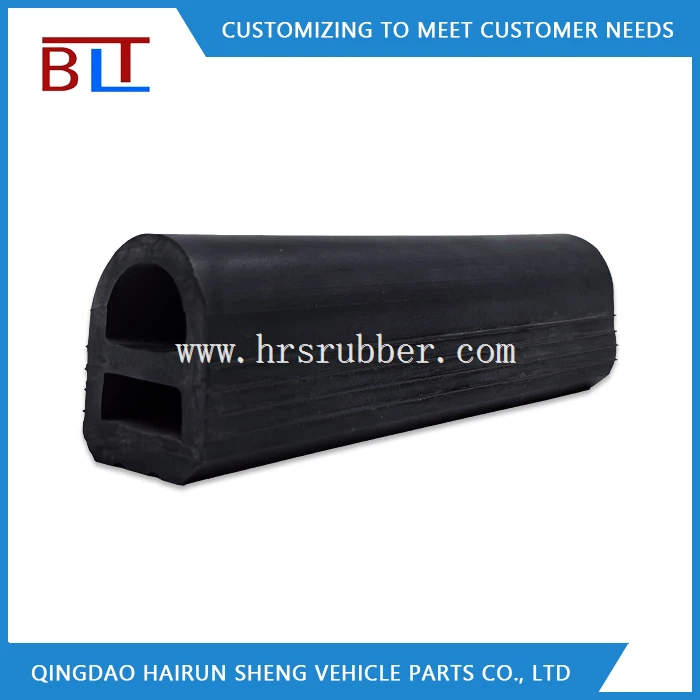
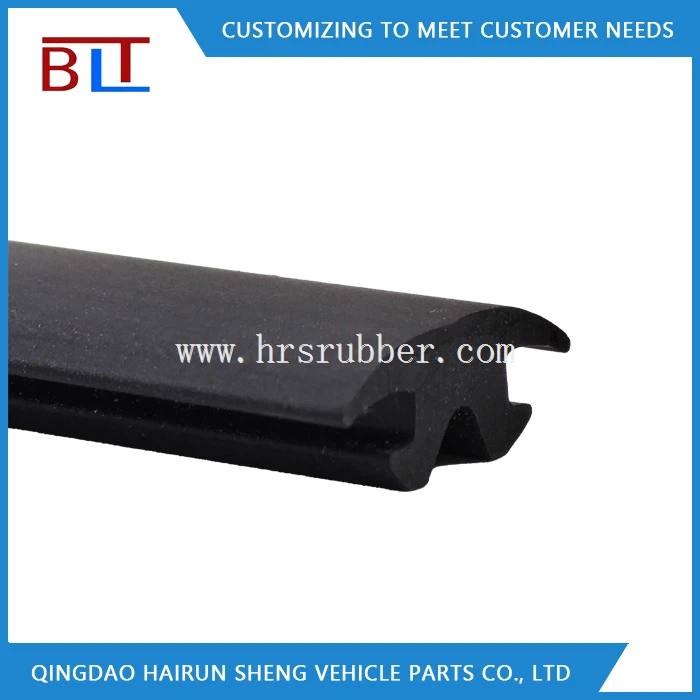
Automotive rubber seal strips are essential components in the automotive industry, serving the crucial function of providing a tight and weather-resistant seal between various parts of a vehicle. These flexible rubber strips are commonly used to seal gaps and joints in doors, windows, hoods, trunks, and other areas, effectively preventing the infiltration of water, dust, and noise into the vehicle's interior. Additionally, automotive rubber seal strips contribute to the overall structural integrity of the vehicle by enhancing its aerodynamics and reducing wind resistance.
Advantages of Automotive Rubber Seal Strips
Water and weather resistance
One of the primary advantages is their ability to create a watertight and weather-resistant seal. This helps prevent water ingress, protecting the vehicle's interior from damage and corrosion.
Noise reduction
Rubber seal strips act as effective sound insulators, reducing external noise from entering the vehicle. This contributes to a quieter and more comfortable driving experience for passengers.
Dust and debris protection
These seals also serve as a barrier against dust, dirt, and debris, preventing them from entering the vehicle. This is crucial for maintaining a clean and well-protected interior.
Thermal insulation
Automotive rubber seal strips provide thermal insulation, helping to regulate the temperature inside the vehicle. This is particularly important for climate control and energy efficiency.





Why Choose Us?
High quality: Our products are manufactured or executed to very high standards, using the finest materials and manufacturing processes.
24h online service: We try and respond to all concerns within 24 hours and our teams are always at your disposal in case of any emergencies.
Rich experience: Dedicated to strict quality control and attentive customer service, our experienced staff is always available to discuss your requirements and ensure complete customer satisfaction.
Quality control: We have professional personnel to monitor the production process, inspect the products and ensure that the final product meets the required quality level standards, guidelines and specifications.
The Manufacturing Process of Automotive Rubber Seal Strips
Raw material preparation
The primary raw material for rubber seal strips is synthetic rubber, commonly made from materials like epdm (ethylene propylene diene monomer), neoprene, or silicone.
Other ingredients, such as curing agents, accelerators, and reinforcing agents, are mixed with the rubber to achieve the desired properties.
Compounding
The rubber compound is prepared in a mixing mill or an internal mixer. This process ensures an even distribution of additives and reinforcement materials, resulting in a uniform and consistent mixture.
Extrusion
The rubber compound is then fed into an extruder, a machine that shapes the rubber into a continuous profile. This profile corresponds to the cross-sectional shape of the seal strip.
Various extrusion dies can be used to create different shapes and sizes of seal strips.
Curing
The extruded rubber profile is passed through a curing process, which involves vulcanization. Vulcanization is the chemical process that transforms the rubber into a durable and elastic material by cross-linking the polymer chains.
The curing process is typically done in an autoclave or continuous vulcanization system.
Cutting and fabrication
Once cured, the continuous rubber profile is cut into the desired lengths. This step may involve precision cutting to meet specific design requirements.
Additional fabrication processes, such as molding or shaping, may be employed to achieve the final form of the seal strip.
Surface treatment
Some seal strips may undergo surface treatments to enhance their properties, such as adding a coating for improved weather resistance, uv protection, or ease of installation.
Quality control
Quality control checks are conducted at various stages of the manufacturing process. This ensures that the rubber seal strips meet specified standards for dimensions, physical properties, and performance.
Identify the application areas
Determine where you need the rubber seal strips. Common application areas include doors, windows, hoods, trunks, windshields, and various joints. Each area may require a specific type of seal strip.
Consider environmental conditions
Assess the environmental conditions your vehicle will face. Different materials offer varying resistance to weather, uv exposure, and temperature extremes. Choose a material that suits the climate and conditions of your driving environment.
Material selection
Select the appropriate rubber material based on your requirements. Common materials include epdm, neoprene, silicone, and others. Consider factors such as flexibility, resilience, and resistance to aging and chemicals.
Check temperature ratings
Verify the temperature resistance of the seal strips. Ensure they can withstand the temperature variations your vehicle may encounter without compromising their sealing effectiveness.
Evaluate water and weather resistance
Assess the seal strips' ability to resist water, rain, and other weather elements. Look for features like water-tight designs to prevent leaks and protect your vehicle's interior.
Consider noise reduction
If noise reduction is a priority, opt for seal strips with sound-dampening properties. Some materials and designs can help minimize vibrations and reduce external noise.
Check compression and recovery properties
Evaluate how well the seal strips compress to create a tight seal and recover their original shape after compression. This is crucial for maintaining effective sealing over time.
Review installation ease
Consider the ease of installation. Some seal strips come with adhesive backing or special features that simplify the mounting process. Choose strips that are user-friendly and fit securely into the intended locations.
Customization options
Check if the supplier offers customization options. Depending on your vehicle's design or specific requirements, you may need seal strips in unique profiles or sizes.
Ensure compliance with standards
Verify that the selected seal strips comply with relevant industry standards and regulations. This ensures that the products meet safety and performance requirements.
Consider long-term durability
While cost is a factor, prioritize long-term durability. Investing in higher-quality seal strips may lead to cost savings over time by reducing the need for frequent replacements.
Application of Automotive Rubber Seal Strips



Door seals
Found around the perimeter of vehicle doors, these seals prevent water, dust, and noise from entering the interior. They contribute to a comfortable and quiet cabin environment.
Window seals
Used in the channels around windows, these seals help create a tight barrier against water, wind, and external elements. They also assist in guiding the movement of the windows.
Hood seals
Placed around the edges of the engine compartment hood, these seals prevent water, debris, and engine heat from entering the engine bay.
Trunk seals
Installed along the trunk opening, these seals protect the cargo area from water, dust, and external elements.
Windshield seals
Located between the windshield and the vehicle frame, these seals provide a watertight and airtight barrier, preventing leaks and minimizing wind noise.
Roof rail seals
Positioned along the roof edges, these seals contribute to weatherproofing and reduce wind noise by sealing the gaps between the roof and the vehicle body.
Quarter window seals
Found around side windows, these seals prevent water, wind, and debris from entering the vehicle, contributing to overall weather resistance.
Cowl seals
Placed at the base of the windshield and the cowl area, these seals prevent water and debris from entering the vehicle through the gaps between the windshield and the hood.
Vent window seals
Used in vehicles with vent windows, these seals prevent water and air from entering when the vent windows are closed.
Molded corner seals
Positioned at the corners of doors and windows, these seals provide additional protection against leaks and enhance the overall sealing performance.
Edge trim seals
Applied to cover and protect exposed edges of metal, glass, or plastic surfaces in various parts of the vehicle.
Engine compartment seals
Used to seal gaps and joints in the engine compartment, preventing the entry of water, dust, and debris into sensitive engine components.
Tailgate seals
Installed along the edges of tailgates, these seals contribute to weather resistance and prevent water from entering the cargo area.
How to Install Automotive Rubber Seal Strips
Prepare the surfaces
Clean the surfaces where you'll be installing the rubber seal strips. Use a mild detergent and water to remove any dirt, dust, grease, or old adhesive residues. Ensure the surfaces are completely dry before proceeding.
Inspect the seal strips
Before installation, inspect the rubber seal strips for any defects or damage. Ensure that they match the required specifications for size and profile.
Measure and cut if necessary
Measure the length of the seal strips needed for the specific application. If the strips are longer than required, use appropriate cutting tools to trim them to the desired length.
Apply adhesive
If the seal strips have adhesive backing, carefully peel off the protective layer to expose the adhesive. Align the strip with the intended application area and press it firmly into place. If the strips do not have adhesive, you may need to apply automotive-grade adhesive to the back of the strip.
Insert into channels or grooves
For seal strips that fit into channels or grooves (e.G., glass run channels), carefully insert the strips into the designated spaces. Ensure a snug fit to create an effective seal.
Press firmly
Press the seal strips firmly into position along the entire length. Pay special attention to corners and edges to ensure a secure attachment. This step helps in creating a tight and effective seal.
Allow for compression
In areas where the seal strip is intended to compress, such as around doors or windows, make sure the compression is adequate to create a tight seal. Check for any gaps or inconsistencies.
Test the seal
After installation, conduct a visual inspection and, if possible, test the seal by gently closing doors, windows, hoods, or trunks. Ensure that the seal strips effectively prevent the entry of water, dust, and air.
Trim excess material
If there is any excess material protruding beyond the desired length, carefully trim it using appropriate cutting tools.
Recheck and adjust if necessary
Double-check the installed seal strips for any irregularities or areas that may need adjustment. Ensure that they are securely in place and functioning as intended.
How To Replace The Automotive Rubber Seal Strips
Gather necessary tools and materials
Ensure you have the appropriate replacement rubber seal strips for your vehicle.
Tools may include a utility knife, adhesive remover, a clean cloth, and any specific tools required for removing the old seals.
Remove the old seal strips
Carefully peel off or remove the existing rubber seal strips from the designated areas. Use a utility knife or other suitable tools to cut or pry away the old seals.
Take care not to damage the surrounding surfaces during removal.
Clean the surface
Thoroughly clean the surface where the new seal strips will be applied. Use an adhesive remover to eliminate any remaining adhesive residue, dirt, or grease. Ensure the surface is dry before proceeding.
Inspect and prepare the replacement strips
Check the replacement seal strips for any defects, and ensure they match the specifications required for your vehicle.
If the replacement strips have adhesive backing, peel off the protective layer to expose the adhesive side.
Measure and cut
Measure the length of the replacement seal strips needed for the specific application.
If the strips are longer than required, use appropriate tools, such as a utility knife or scissors, to cut them to the desired length.
Apply adhesive
If the replacement seal strips have adhesive backing, carefully align them with the designated areas and press them firmly into place.
Ensure a secure attachment by pressing along the entire length of the seal strip.
Insert into channels or grooves
For seal strips that fit into channels or grooves, carefully insert the replacement strips into the designated spaces. Ensure a snug fit to create an effective seal.
Allow for compression
In areas where the seal strip is intended to compress, such as around doors or windows, make sure the compression is adequate to create a tight seal. Check for any gaps or inconsistencies.
Test the seal
After replacement, conduct a visual inspection and, if possible, test the new seal strips by gently closing doors, windows, hoods, or trunks. Ensure that the replacement strips effectively prevent the entry of water, dust, and air.
Trim excess material
If there is any excess material protruding beyond the desired length, carefully trim it using appropriate cutting tools.
Recheck and adjust if necessary
Double-check the replaced seal strips for any irregularities or areas that may need adjustment. Ensure that they are securely in place and functioning as intended.
Process of Automotive Rubber Seal Strips
Choose the appropriate rubber material based on the desired properties of the seal strips. Common materials include epdm (ethylene propylene diene monomer), neoprene, silicone, and others.
Mix the selected rubber material with various additives, such as curing agents, accelerators, and reinforcing agents, in a mixing mill or internal mixer. This process, known as compounding, ensures a uniform distribution of ingredients and achieves the desired physical properties.
The compounded rubber is fed into an extruder, which shapes the rubber into a continuous profile that corresponds to the cross-sectional shape of the seal strips.
Extrusion allows for the continuous production of seal strips with consistent dimensions.
The extruded rubber profile is subjected to the curing process, often using an autoclave or continuous vulcanization system.
Curing involves heating the rubber to a specific temperature, causing cross-linking of polymer chains and transforming the material into a durable and elastic state.
After vulcanization, the rubber profiles are cooled to stabilize their properties and facilitate handling.
The cured rubber profiles are cut into the desired lengths using cutting tools.
Additional fabrication processes, such as molding or shaping, may be employed to achieve specific design requirements.
Some seal strips may undergo surface treatments, such as coatings or treatments for improved weather resistance, uv protection, or ease of installation.
Conduct thorough quality control checks at various stages of the manufacturing process. This includes checking dimensions, physical properties, and overall product quality to ensure compliance with standards.
Things to Note When Using Automotive Rubber Seal Strips
Surface preparation
Ensure that the surfaces where the rubber seal strips will be applied are clean, dry, and free from contaminants. Proper surface preparation is crucial for optimal adhesion and sealing performance.
Adhesive application
If the seal strips come with adhesive backing, carefully follow the instructions for applying the adhesive. Ensure even and firm pressure during installation to promote strong adhesion.
Proper alignment
Align the seal strips accurately with the designated areas on the vehicle. Ensure that the strips are positioned correctly to create a tight seal and prevent any gaps.
Compression and recovery
In areas where the seal strips are designed to compress (e.G., doors, windows), ensure that they compress adequately to create a tight seal. Check for proper recovery to their original shape after compression.
Trimming excess material
Trim any excess material carefully using appropriate tools. Avoid leaving sharp edges that could compromise the integrity of the seal or cause injury.
Test the seal
After installation, conduct a visual inspection and, if possible, perform tests to ensure the effectiveness of the seal. Check for any gaps or irregularities that might compromise the sealing performance.
Periodic inspection
Regularly inspect the installed seal strips for signs of wear, damage, or deterioration. Address any issues promptly to maintain optimal sealing performance.
Maintenance
Clean the seal strips regularly to remove dirt, dust, and debris. This helps prevent the buildup of contaminants that could compromise the effectiveness of the seal.
Compatibility with cleaning agents
Be mindful of the cleaning agents used on the vehicle. Some harsh chemicals may negatively affect the rubber material. Use cleaning agents that are compatible with the rubber to prevent damage.
Consider uv exposure
If the vehicle is frequently exposed to sunlight, choose rubber seal strips with uv-resistant properties to prevent degradation over time.
Components of Automotive Rubber Seal Strips
Rubber material
The main component is the rubber material, which is usually synthetic and chosen for its flexibility, resilience, and durability. Common rubber materials used in automotive seals include:
● Epdm (ethylene propylene diene monomer): Known for its excellent weather resistance and versatility.
● Neoprene: Offers good resistance to oil, ozone, and weathering.
● Silicone: Known for high-temperature resistance and flexibility.
Curing agents
Curing agents, such as sulfur or peroxides, are added to the rubber compound to initiate the vulcanization process. Vulcanization enhances the rubber's strength, elasticity, and durability.
Accelerators
Accelerators are chemicals that speed up the vulcanization process. They play a role in controlling the rate of the chemical reactions during curing.
Reinforcing agents
Materials like carbon black or silica are added to reinforce the rubber, providing additional strength and resistance to wear and tear. These agents also contribute to the overall structural integrity of the seal strips.
Plasticizers
Plasticizers are used to improve the flexibility and softness of the rubber. They help maintain the rubber's elasticity over time, especially in varying temperature conditions.
Antioxidants
Antioxidants are added to protect the rubber from degradation caused by exposure to oxygen and ozone. They contribute to the long-term stability of the seal strips.
Softening agents
Softening agents, such as oils, are sometimes added to the rubber compound to achieve the desired level of flexibility and prevent the rubber from becoming too rigid.
Adhesive backing
Some automotive rubber seal strips come with adhesive backing for easy installation. The adhesive layer is typically protected by a removable release liner before application.
Surface coatings
Surface coatings may be applied to enhance specific properties of the seal strips, such as improving weather resistance, providing uv protection, or reducing friction during installation.
Colorants
Colorants may be added to the rubber compound to achieve specific aesthetic preferences or to match the vehicle's color scheme.
How To Maintain Automotive Rubber Seal Strips
Regular cleaning
Clean the rubber seal strips regularly to remove dirt, dust, and debris that can accumulate over time. Use a mild detergent or soap and water solution.
Avoid using harsh chemicals, as they can degrade the rubber material.
Avoid petroleum-based products
Petroleum-based products, such as silicone-based sprays or petroleum jelly, may cause rubber to deteriorate over time. It's best to avoid using these on automotive rubber seal strips.
Use rubber protectants
Consider applying a rubber protectant or conditioner specifically designed for automotive rubber. These products can help prevent drying, cracking, and fading of the rubber material.
Inspect for damage
Regularly inspect the rubber seal strips for any signs of damage, wear, or deterioration. Look for cracks, tears, or areas where the seal may be compromised.
Promptly address any issues to prevent water leaks and maintain the effectiveness of the seal.
Check compression and recovery
In areas where the rubber seal strips are designed to compress, such as around doors or windows, ensure that they compress adequately to create a tight seal. Check for proper recovery to their original shape after compression.
Avoid excessive force
Be cautious when closing doors, windows, hoods, or trunks to avoid applying excessive force on the seal strips. Gentle closing helps maintain the integrity of the seals.
Protect from uv radiation
Uv radiation from sunlight can contribute to the degradation of rubber over time. Consider parking your vehicle in shaded areas or using sunshades to reduce exposure to direct sunlight.
Check and clean channels
For seal strips that fit into channels or grooves, inspect these channels regularly. Ensure they are free from debris and clean to allow proper movement and function of the seal strips.
Reapply adhesive
If the seal strips have adhesive backing and you notice any areas where the adhesion is compromised, consider reapplying adhesive according to the manufacturer's recommendations.
Replace worn or damaged strips
If you notice severe wear, damage, or loss of sealing effectiveness, consider replacing the rubber seal strips. Replacement is often more effective than attempting to repair extensively damaged strips.

The working principle of automotive rubber seal strips lies in their ability to create a reliable barrier that seals gaps and joints in various parts of a vehicle. Composed of resilient rubber materials like epdm, neoprene, or silicone, these strips are strategically placed around doors, windows, hoods, and trunks. When doors or windows are closed, the seal strips compress, forming a tight and weather-resistant seal that prevents the infiltration of water, dust, and noise into the vehicle's interior. The elastic nature of the rubber allows the strips to rebound to their original shape after compression, ensuring continuous sealing efficacy. By effectively sealing critical areas, automotive rubber seal strips contribute to the overall comfort, safety, and longevity of vehicles, protecting the interior environment from external elements.
Automotive rubber seal strips are typically fabricated from various rubber materials chosen for their specific properties and applications. Commonly utilized materials include epdm (ethylene propylene diene monomer), neoprene, silicone, and natural rubber. Epdm is favored for its excellent resistance to weathering, uv radiation, and temperature extremes, making it suitable for outdoor applications. Neoprene provides resilience and resistance to oils and chemicals, making it ideal for diverse automotive environments. Silicone, known for its high-temperature resistance and flexibility, is often used in specialized applications. Natural rubber, valued for its elasticity and durability, is also employed in certain seal strip formulations. Each material is selected based on the seal strip's intended function and the environmental conditions it will encounter, ensuring optimal performance and longevity in the automotive setting.

Material composition
Automotive rubber seal strips are typically made from materials such as epdm, neoprene, silicone, or natural rubber. These materials offer elasticity, resilience, and weather-resistant properties.
Profile and design
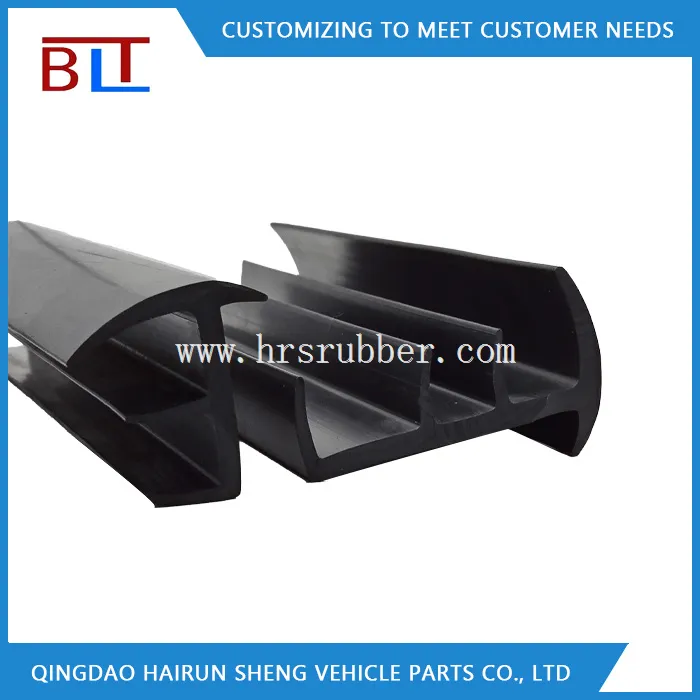
The seal strips are designed in various profiles to match specific areas of the vehicle, including doors, windows, hoods, trunks, and other joints. The cross-sectional design ensures proper sealing when compressed.
Compression and sealing
During the closing of doors, windows, or other vehicle components, the rubber seal strips undergo compression. This compression creates a tight seal that prevents the entry of water, air, dust, and noise.
Elasticity and recovery
The rubber material's inherent elasticity allows the seal strips to recover their original shape after compression. This property ensures that the seals maintain their effectiveness over repeated usage.
Weather resistance
Automotive rubber seal strips are engineered to resist weather elements, including rain, snow, sunlight, and temperature extremes. This weather resistance contributes to the durability of the seals.
Sound dampening
Some seal strips are designed with sound-dampening properties, reducing vibrations and external noise. This feature contributes to a quieter and more comfortable interior environment.
Adhesion
Seal strips may come with adhesive backing for easy installation. The adhesive ensures a secure attachment to the vehicle's surfaces, enhancing the sealing performance.
Customization
Manufacturers offer a variety of seal strip profiles and lengths to fit different vehicle models. Customization options may include variations in thickness, width, and overall design.
Installation points
Seal strips are strategically placed around various parts of the vehicle, such as door frames, window channels, hoods, trunks, and any areas where a secure seal is required.
Maintenance and inspection
Regular maintenance involves cleaning the seal strips to remove dirt and debris. Periodic inspections help identify any signs of wear, damage, or loss of sealing effectiveness.
Long-term durability
The overall operation of automotive rubber seal strips contributes to the long-term durability of the vehicle. Properly functioning seals help protect the interior, reduce noise, and enhance overall driving comfort.
Our Factory
Our company has a complete production equipment line, including rubber refining machines, open mills, fully automatic vulcanizing machines, vulcanization tanks, three composite microwave vulcanization lines, and quality testing equipment.


FAQ
Hot Tags: automotive rubber seal strips, China automotive rubber seal strips manufacturers, suppliers, factory, car grille weatherstrips, vehicle emission system seals, automotive flexible weatherstrips, automotive weatherstrip technology, automotive heating seals, vehicle fuel tank seals


